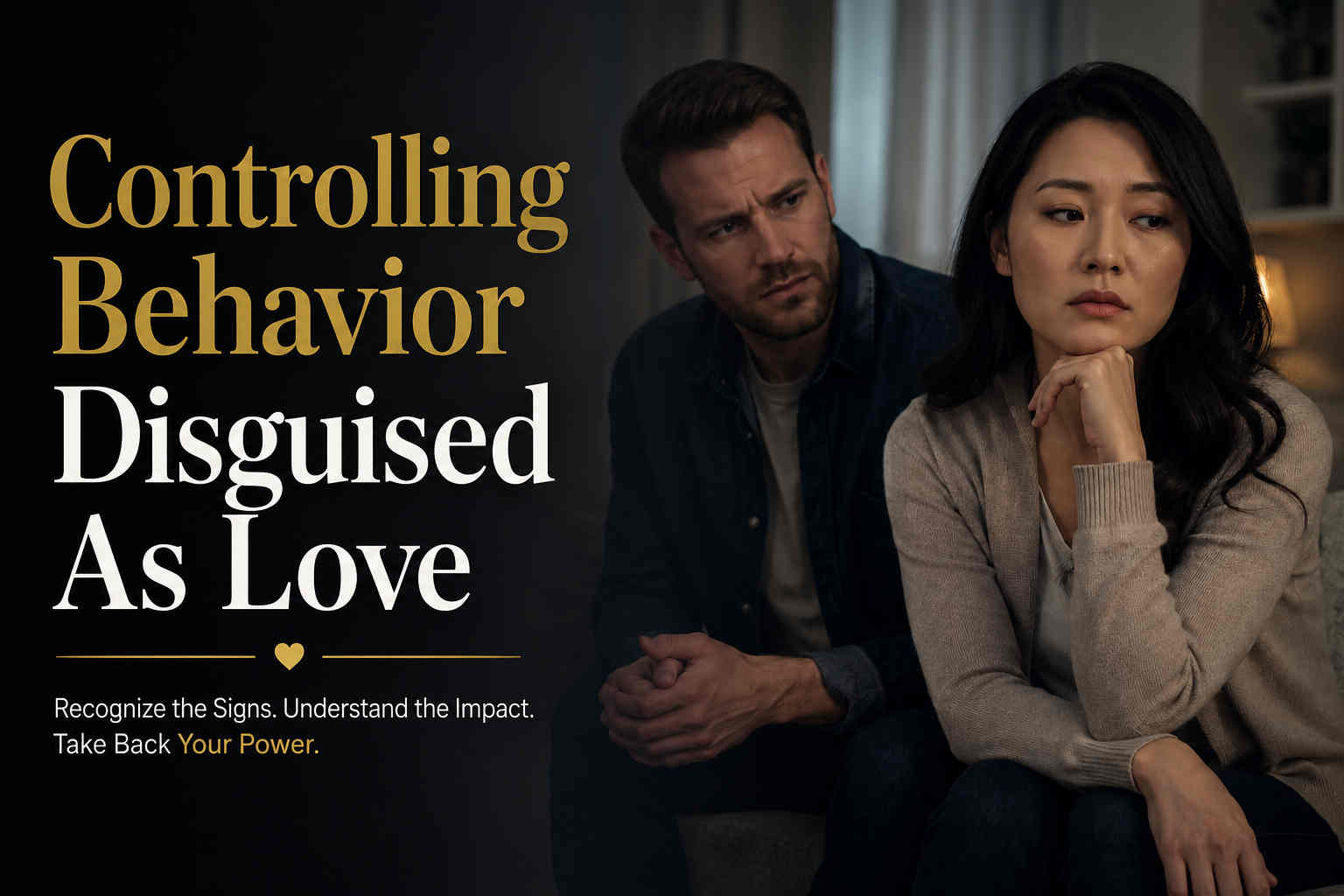
Controlling Behavior Disguised As Love
Not every controlling relationship begins with obvious red flags. Some of the most damaging forms of control arrive disguised as concern, protection, jealousy, devotion, or love.
When you are dating after divorce, attention can feel good. A new partner who checks on you, wants to spend time with you, and shows interest in your life can feel like a welcome change from rejection, conflict, or loneliness. But there is a difference between being loved and being managed.
Controlling behavior disguised as love often starts small. A partner may want to know where you are because they “care.” They may discourage certain friendships because they are “protecting the relationship.” They may question your decisions because they “only want what is best for you.” At first, these behaviors may appear thoughtful. Over time, they can become restrictive, draining, and emotionally damaging.
The danger is that control often does not look like control in the beginning. It may look like intense affection, strong concern, constant communication, or jealousy that feels like passion. But healthy love does not require you to give up your privacy, confidence, friendships, independence, or identity.
What Is Controlling Behavior Disguised As Love?
Controlling behavior disguised as love happens when someone uses affection, concern, loyalty, jealousy, or commitment as a reason to limit your freedom or influence your choices. Instead of respecting your independence, the person slowly makes your decisions, time, emotions, and relationships revolve around them.
A controlling partner may not always say, “I want to control you.” More often, they use language that sounds caring. They may say they are worried about you, that they do not trust other people around you, or that couples should have no secrets. Those statements can sound reasonable until they become demands.
Healthy love allows two people to stay connected while remaining individuals. Controlling love tries to create dependence. It slowly teaches you that peace in the relationship depends on doing what the other person wants.
Signs Of A Controlling Partner
The warning signs of a controlling partner are not always loud or dramatic. Many controlling relationship signs show up as repeated patterns that make you feel guilty, watched, pressured, or unable to make normal decisions without conflict.
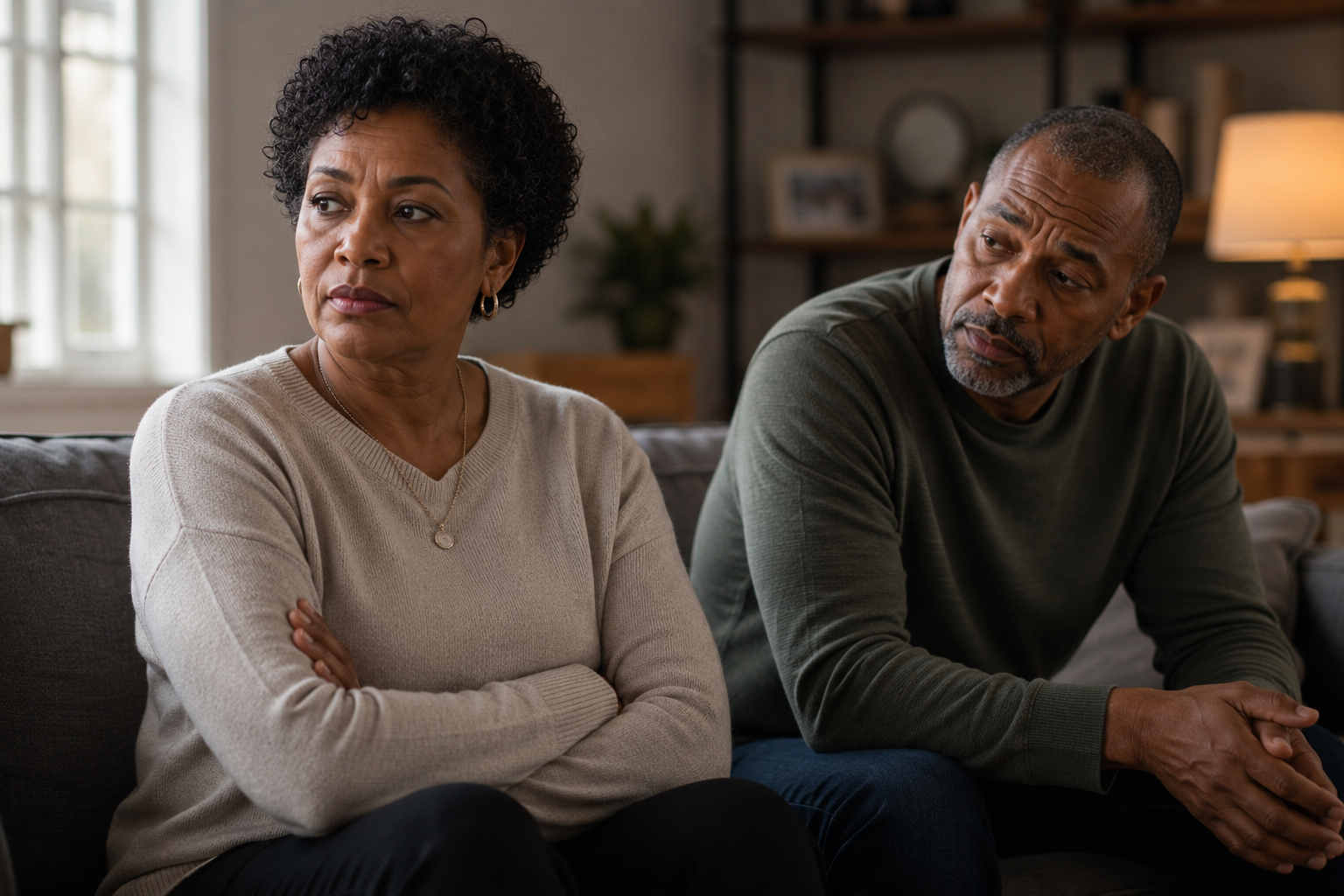
They Want Constant Access To You
Communication is healthy. Constant access is not. A controlling partner may expect immediate replies, frequent check-ins, or detailed explanations for where you were and who you were with. If you miss a call, they may treat it as disrespect. If you need space, they may call it rejection.
They Isolate You From Friends And Family
Isolation is one of the most common forms of relationship control and manipulation. A partner may criticize your friends, create conflict with relatives, or act hurt whenever you spend time with people outside the relationship. Over time, your support system becomes smaller, and their influence becomes stronger.
They Use Jealousy As Proof Of Love
Jealousy can feel flattering at first, especially if you have been through rejection. But jealous partner warning signs should be taken seriously. Constant suspicion, accusations, social media monitoring, and demands for passwords are not signs of passion. They are signs of emotional control in relationships.
They Make Decisions For You
A controlling partner may decide where you go, what you wear, how you spend money, who you talk to, or what choices are “acceptable.” Even when they frame it as advice, the message is clear: your judgment is not trusted unless it agrees with theirs.
They Use Guilt To Get Their Way
Guilt is one of the most common tools of emotional manipulation in dating. Statements such as “If you loved me, you would do this,” or “I guess I am not important to you,” shift the focus away from your boundary and onto their disappointment. The goal is to make you comply to avoid conflict.
Why Controlling Behavior Often Looks Like Love
Controlling behavior is confusing because it often imitates love. A partner who wants to know where you are can look caring. A partner who dislikes your friends can look protective. A partner who wants all your attention can look deeply attached.
The difference is whether the behavior respects your autonomy. Healthy love can express concern without demanding control. Healthy love can disagree with your choices without trying to take those choices away from you.
After divorce, this distinction matters. Many men are trying to rebuild confidence, trust, and direction. A controlling relationship can feel intense enough to seem meaningful, but intensity is not the same as emotional safety. A person can be affectionate and still be unhealthy for you.
The Emotional Effects Of Being Controlled
The effects of controlling behavior are not limited to arguments. Emotional control can slowly change how you think, how you make decisions, how you see yourself, and how much freedom you feel you have inside the relationship.
Loss Of Self-Confidence
One of the most common effects is reduced confidence. When your decisions are constantly questioned, corrected, or overridden, you may begin doubting yourself. You may start wondering, “Am I overreacting?” “Am I being unreasonable?” or “Maybe they are right.”
This gradual erosion of confidence makes it increasingly difficult to trust your own judgment. You may begin asking permission for normal choices. You may avoid speaking honestly because you do not want to be criticized. You may stop making decisions with the same strength you once had.
Loss Of Identity
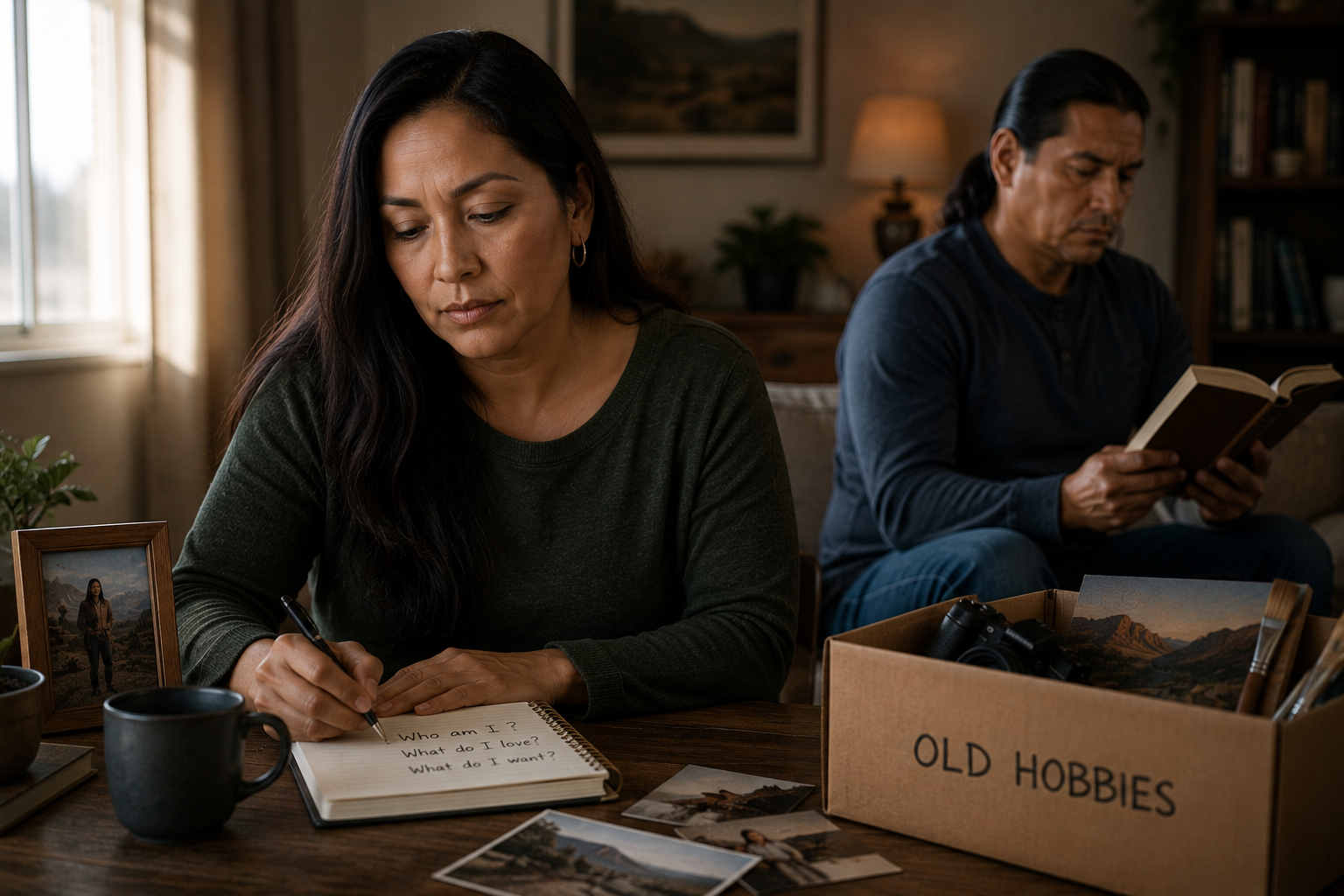
Healthy relationships allow both people to maintain their individuality. Controlling relationships gradually erase it. You may stop pursuing hobbies. You may abandon personal goals. You may alter your personality to avoid criticism. Eventually, many people reach a point where they no longer recognize themselves.
Increased Anxiety
Living with emotional control often creates chronic stress. You may find yourself monitoring your words, your phone, your schedule, and your reactions. Instead of relaxing in the relationship, you feel as if you are always trying to prevent the next disagreement.
Feeling Trapped
As control increases, leaving can feel harder. This is especially true if your confidence, finances, friendships, or family connections have already been weakened. The more isolated you become, the more powerful the controlling relationship feels.
Emotional Burnout
Long-term control can leave you feeling drained, numb, discouraged, and disconnected from your own life. You may still care about the person, but the relationship no longer feels peaceful. It feels like emotional survival.
Why People Stay In Controlling Relationships
It is easy for someone outside the relationship to ask, “Why don’t you just leave?” But controlling relationships are often more complicated than they appear. The control usually happens gradually. The relationship may have started with affection, attention, and connection. The person being controlled may keep hoping things will return to the way they were in the beginning.
Fear also plays a role. Some people fear being alone. Others fear starting over after divorce. Some worry they are too old to find a healthier relationship. Others have been criticized so much that they no longer believe they can do better.
This is why recognizing controlling behavior early matters. The longer the pattern continues, the more normal it can start to feel.
How To Respond To Controlling Behavior
Responding to controlling behavior begins with taking your own discomfort seriously. If you constantly feel guilty, watched, pressured, or afraid to make independent decisions, do not ignore that pattern simply because the other person calls it love.
Set Clear Boundaries
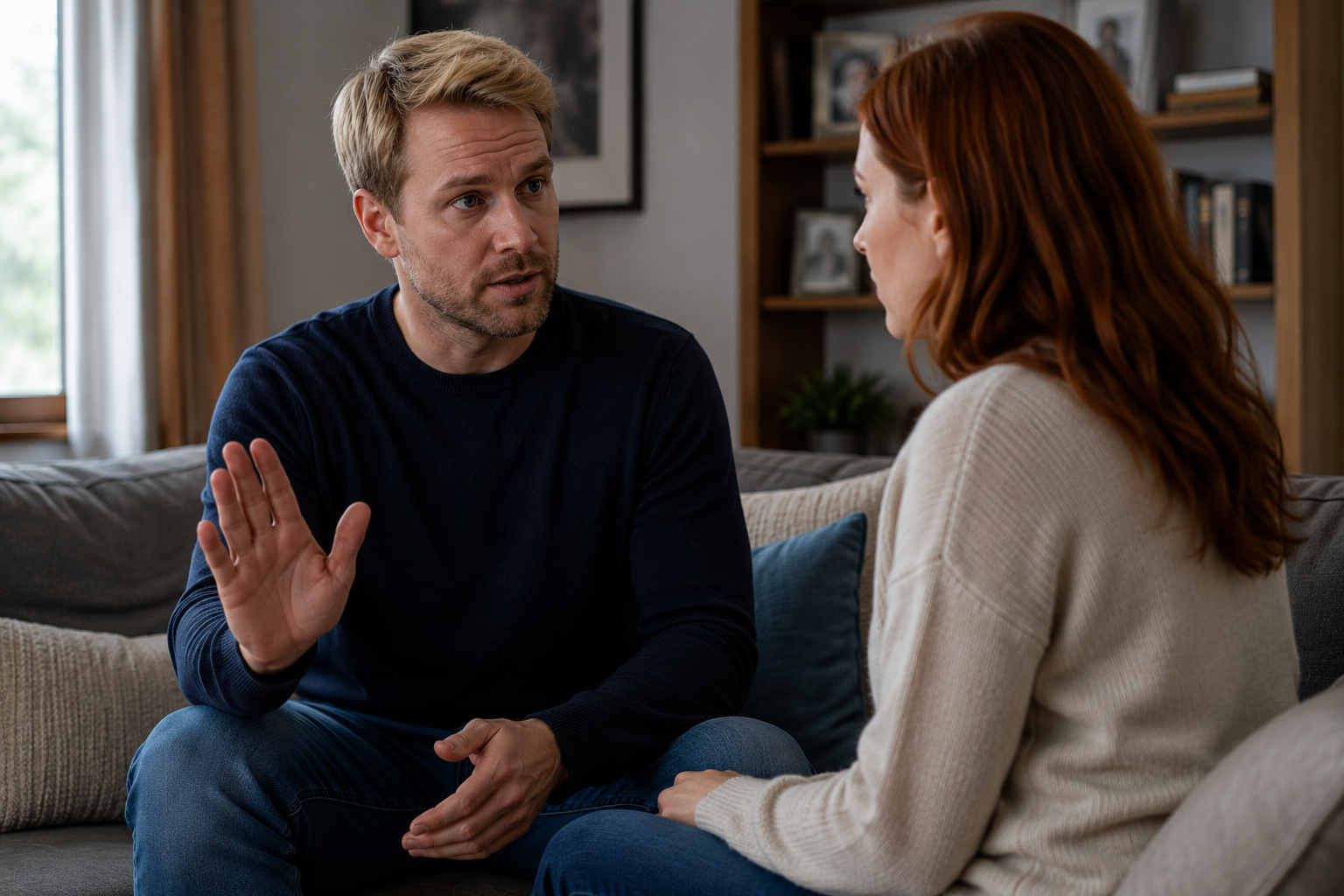
Healthy relationships respect boundaries. Communicate your limits clearly and calmly. You might say, “I need time with my friends,” “I am not comfortable sharing my passwords,” or “I will make my own decisions.”
A healthy partner may not always agree, but they will respect your right to have boundaries. A controlling partner may react with anger, guilt, accusations, or emotional withdrawal. Their reaction gives you important information.
Reconnect With Trusted People
If a relationship has made your world smaller, begin rebuilding outside connections. Talk to trusted friends, family members, a counselor, or someone who can help you see the situation clearly. Isolation makes control stronger. Support makes it easier to think clearly.
Watch Patterns, Not Promises
Many controlling partners apologize after conflict, then repeat the same behavior later. Pay attention to patterns. Real change includes accountability, consistency, and respect for your boundaries over time.
Healthy Love Versus Control
Healthy love does not erase your independence. It strengthens it. A secure partner does not need to control your time, phone, friendships, goals, or personality to feel safe in the relationship.
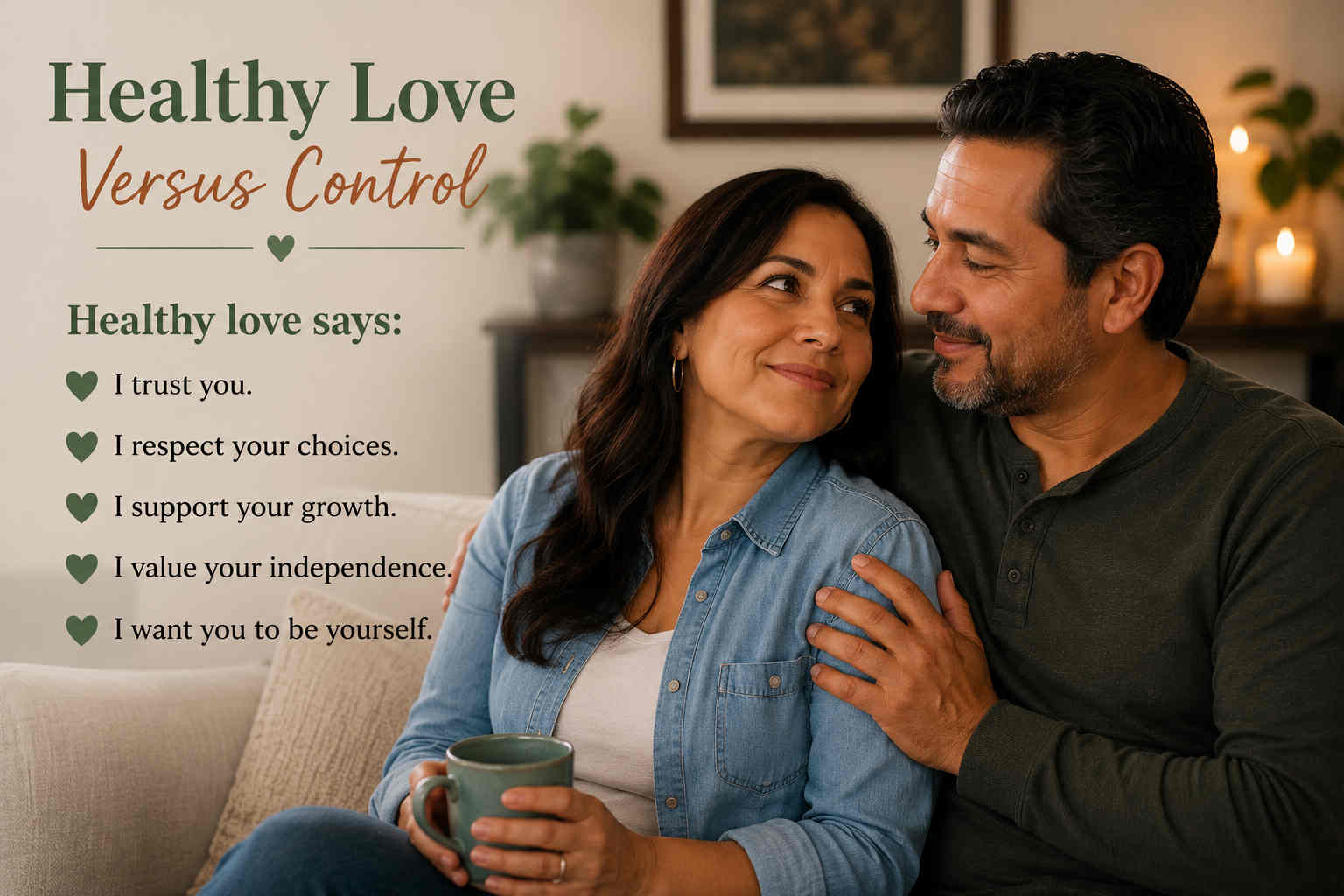
Healthy love says: I trust you. I respect your choices. I support your growth. I value your independence. I want you to be yourself.
Control says: I know what is best for you. You need my approval. Your choices make me uncomfortable. You should prioritize me over everyone else. I need to know everything you do.
One creates freedom. The other creates dependence. One strengthens your identity. The other gradually weakens it.
Final Thoughts
Controlling behavior disguised as love can be difficult to recognize because it often arrives wrapped in affection, concern, loyalty, and protection. What begins as attention may become monitoring. What begins as protectiveness may become restriction. What begins as love may gradually become control.
The effects can be serious: anxiety, reduced confidence, isolation, emotional exhaustion, and a loss of personal identity. These are not small problems. They are signs that the relationship may be damaging your emotional health and your sense of self.
Healthy relationships are built on trust, communication, respect, and freedom. They encourage both partners to grow rather than shrink. If you find yourself constantly seeking permission, walking on eggshells, or feeling guilty for maintaining your independence, it may be time to ask whether what you are experiencing is truly love, or control disguised as love.
Keep Reading
This article is part of the Dating Red Flags After Divorce section. Keep building the awareness and confidence to recognize unhealthy patterns before they become another painful chapter.
Back To Dating & Relationships