Dating Red Flags After Divorce
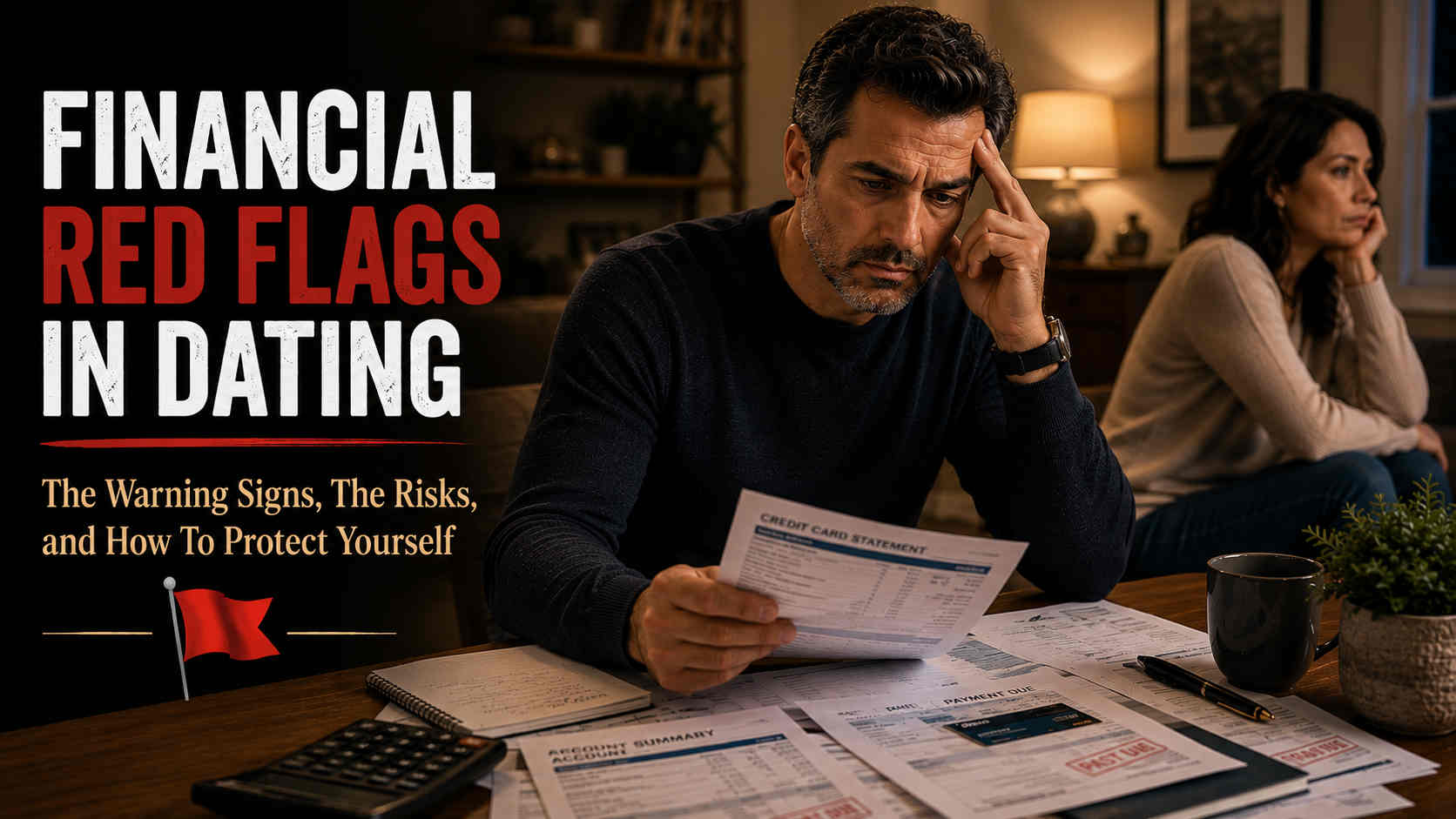
Financial Red Flags In Dating: The Warning Signs, The Risks, and How To Protect Yourself
Financial red flags in dating are not about judging someone by income. They are about recognizing patterns of irresponsibility, secrecy, entitlement, instability, and poor planning before those patterns become your problem.
When people think about relationship problems, they often focus on communication, trust, attraction, or compatibility. While those issues matter, one factor consistently creates stress in serious relationships: money.
Financial disagreements can create long-term conflict, resentment, and instability. Yet many people enter new relationships without paying enough attention to the financial habits, attitudes, and behaviors of the person they are dating.
For divorced men, this can be especially dangerous. After divorce, many men are rebuilding savings, recovering from legal expenses, adjusting to child support obligations, or trying to protect retirement plans. A financially irresponsible relationship can quickly undo years of hard work.
That does not mean you should judge someone only by income, job title, or temporary hardship. Life happens. Good people deal with layoffs, medical bills, business setbacks, family emergencies, and unexpected expenses. The real issue is not someone’s financial situation. The real issue is their financial behavior.
Why Financial Red Flags Are Often Overlooked
Many people avoid discussing money during the early stages of dating. It feels uncomfortable. Questions about debt, spending, savings, financial priorities, or job stability can feel too personal too soon.
As a result, couples often spend months building emotional attachment before discovering serious financial incompatibilities. By that point, feelings are involved. Warning signs that might have been obvious early become easier to excuse later.
You may tell yourself that everyone has debt, things will improve, she is just going through a rough patch, or once the relationship gets serious she will become more responsible. Sometimes that is true. Often it is not.
Why Financial Red Flags Matter After Divorce
Dating after divorce creates unique financial risks. You may already be dealing with a smaller emergency fund, legal bills, child support, alimony, housing changes, or retirement rebuilding. Because of these realities, financial stability becomes even more important than it may have been earlier in life.
A poor financial partnership can delay retirement, increase anxiety, create conflict with your children, and make your future less secure. Strong chemistry does not erase financial reality. Attraction does not pay bills. Romance does not repair hidden debt.
Financial Red Flag #1: Constant Money Problems With No Plan
Temporary financial struggles are normal. Permanent financial chaos is different. Pay attention when someone always seems to be dealing with a new money emergency: overdraft fees, late payments, utility shutoff notices, collection calls, unpaid bills, or repeated borrowing from friends and family.
The key question is not whether money problems exist. The key question is whether there is a realistic plan to solve them. A responsible person may be in a difficult season but still have a budget, a repayment plan, a willingness to cut expenses, and a sense of ownership.
An irresponsible person often repeats the same crisis while doing little to change the pattern. That can become exhausting in a relationship because you may eventually be expected to provide rescue, stability, or money.

Financial Red Flag #2: Excessive Debt With No Accountability
Debt itself is not automatically a red flag. Many responsible people carry mortgages, student loans, business loans, medical debt, or temporary credit card balances. The concern is debt combined with denial, blame, secrecy, or reckless spending.
Listen carefully to how someone discusses debt. Do they take responsibility? Do they understand the numbers? Do they have a repayment strategy? Or do they blame every lender, employer, ex-partner, family member, or circumstance without acknowledging their own choices?
A financially mature partner can discuss debt honestly without turning the conversation into drama. A financially immature partner often avoids the topic until the problem becomes impossible to ignore.
Financial Red Flag #3: Living Beyond Their Means
One of the most common money red flags in relationships is lifestyle inflation. Some people spend money they do not have in order to maintain appearances. They may have designer clothes, frequent vacations, expensive dinners, newer cars, and constant shopping habits, but very little savings.
This can be especially misleading because financial irresponsibility does not always look broke. Sometimes it looks successful from the outside. The question is whether the lifestyle is supported by real income, responsible planning, and healthy priorities.
Dating someone who lives beyond their means can put pressure on you to keep up, pay more, or fund a lifestyle that is not sustainable.
Financial Red Flag #4: They Expect You To Pay For Everything
Generosity is healthy. Entitlement is not. Some people gradually shift financial responsibility onto their partner. It may start with forgotten wallets, small requests, or assumptions that you will cover every outing. Over time, it can turn into expectations around gifts, trips, bills, repairs, or personal expenses.
A healthy relationship does not require perfect financial equality every moment, but it does require mutual effort and gratitude. If someone becomes irritated when you set a reasonable financial boundary, pay attention.
Financial Red Flag #5: Secretive Financial Behavior
Financial transparency becomes increasingly important as a relationship becomes serious. If someone refuses to discuss basic financial topics after several months of dating, hides accounts, conceals debt, or becomes defensive about spending, that is a serious warning sign.
Secrecy around money damages trust because it suggests that you are not seeing the full picture. Hidden debt, undisclosed obligations, gambling losses, secret credit cards, and unexplained withdrawals can all create problems later.

Financial Red Flag #6: Gambling Problems
Occasional entertainment gambling is different from compulsive gambling. Problem gambling often creates debt, secrecy, emotional volatility, broken promises, and financial instability. Warning signs include frequent sports betting, online gambling, casino trips, chasing losses, borrowing money to gamble, or hiding gambling activity.
Gambling problems can remain hidden until serious damage has already occurred. If you see repeated betting behavior combined with financial stress, do not ignore it.
Financial Red Flag #7: No Emergency Savings
Not everyone has large savings, especially after divorce, job loss, or a major life setback. But a complete absence of emergency planning may indicate poor financial discipline. Cars break down. Medical bills happen. Jobs change. Responsible adults try to prepare for uncertainty whenever possible.
The concern is not that someone has less money than you. The concern is whether they repeatedly live with no buffer, no plan, and no willingness to adjust their behavior.
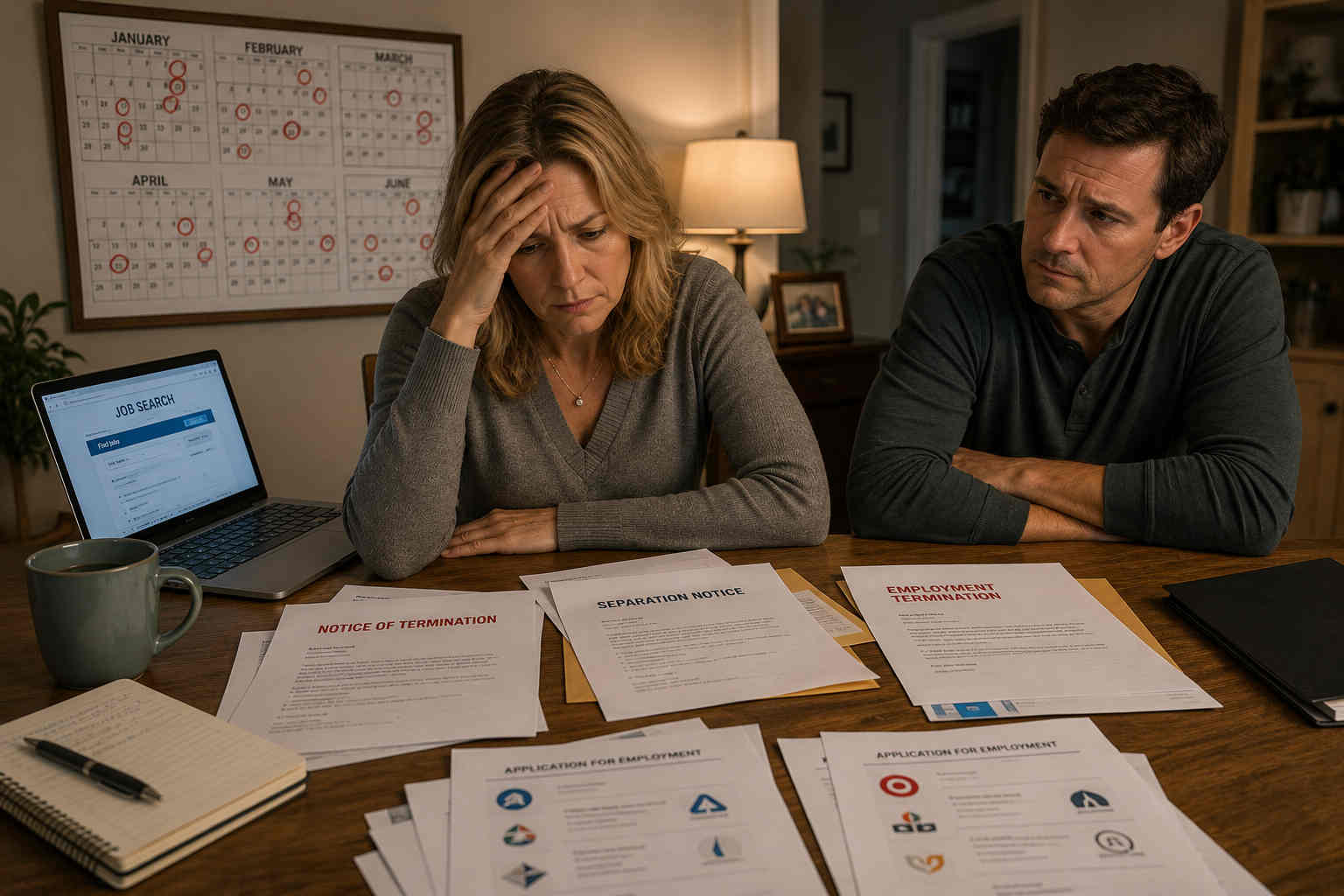
Financial Red Flag #8: Constant Job Instability
Career changes are not automatically concerning. People change industries, relocate, pursue better opportunities, leave unhealthy workplaces, or rebuild after layoffs. The issue becomes serious when instability becomes a permanent pattern.
Ask yourself whether there is a reasonable explanation, whether the person accepts responsibility, and whether they are actively improving the situation. Repeated job loss, constant conflict with employers, vague work history, or endless excuses may point to deeper issues with reliability, discipline, or accountability.
Financial Red Flag #9: They Judge People Based On Money
Financial maturity is not only about spending. It is also about perspective. Be cautious of people who constantly compare incomes, obsess over status, criticize others financially, or measure personal worth by possessions.
Someone who views money primarily as a status weapon may later create pressure, shame, or competition inside the relationship. Healthy relationships focus on shared values, not financial performance.
Financial Red Flag #10: Lack Of Long-Term Planning
Responsible adults generally think about the future. That does not mean everyone needs a perfect retirement spreadsheet. It does mean they should have some awareness of savings, debt reduction, housing, career development, retirement, and future responsibilities.
A complete lack of planning often leads to stress later. If someone refuses to think beyond the current month, the relationship may eventually be limited by that same short-term mindset.
The Emotional Effects Of Financial Red Flags
Financial red flags do not only affect money. They affect peace, trust, confidence, and attraction. Ongoing financial instability creates stress because you never know when the next emergency will appear. Hidden financial behavior damages trust because you begin wondering what else is being concealed.
Resentment can also build when one person consistently carries the burden. Generosity feels good when it is appreciated. It becomes painful when it is expected, manipulated, or taken for granted.
Financial problems can affect vacations, housing, retirement plans, family goals, health, and daily quality of life. That is why money issues should be taken seriously before commitments become complicated.
Financial Compatibility Matters More Than Income
Many people assume financial compatibility means earning similar incomes. That is not necessarily true. A teacher and an engineer may have excellent financial compatibility if they share values around saving, debt, giving, budgeting, and long-term planning. Two high earners may have terrible compatibility if one saves and the other spends recklessly.
Compatibility comes from shared values and honest behavior. How does the person view debt? Do they save regularly? Are they responsible with credit? Do they budget? Can they discuss money without shame, defensiveness, or manipulation?
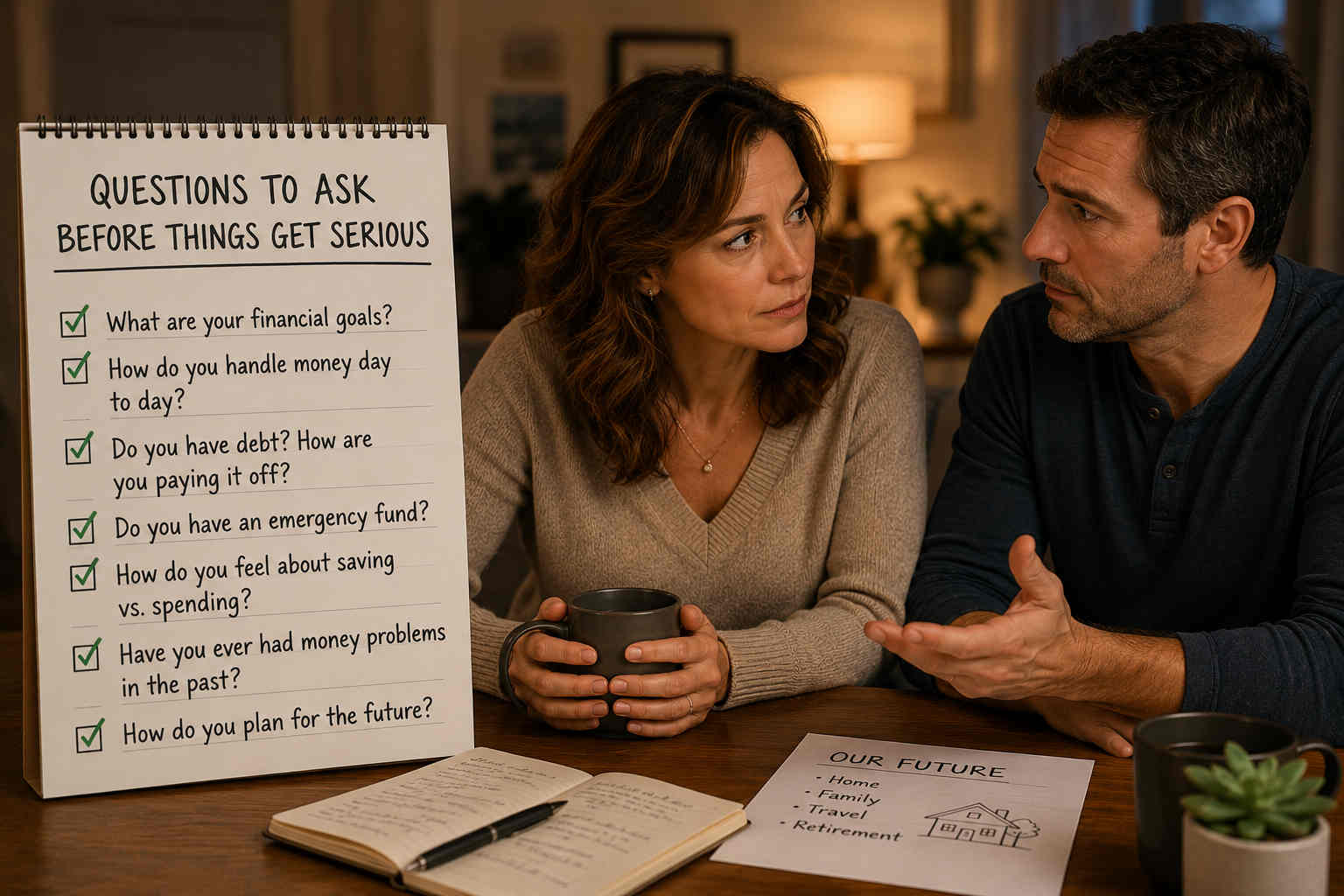
Questions To Ask Before Things Get Serious
As a relationship develops, money conversations should become more natural. You do not need to conduct a financial interrogation on the first date. But before major commitments, you should understand the basics.
Important questions include: What are your financial goals? How do you handle debt? Do you use a budget? Are you saving for anything important? What did you learn from past financial mistakes? How do you think couples should handle money?
How To Protect Yourself When Dating After Divorce
Keep finances separate during the early stages of dating. Avoid co-signing loans, opening joint accounts, paying large bills, or making major financial commitments before trust has been earned over time.
Watch behavior more than promises. Anyone can say they are getting better with money. The question is whether their actions support that claim. Do they make changes? Do they follow through? Do they accept responsibility?
Do not become a financial rescuer. Many divorced men fall into the trap of trying to prove love by solving someone else’s money problems. That often creates dependency rather than respect.
Green Flags To Look For
Healthy financial behaviors include honesty, consistent employment, responsible spending, emergency savings, realistic goals, accountability, and a willingness to discuss money without drama. A financially mature partner does not have to be wealthy. They simply need to be responsible, transparent, and realistic.
Green flags include someone who lives within their means, handles setbacks maturely, pays attention to the future, respects your boundaries, and supports your goals rather than draining your resources.

Final Thoughts
Financial red flags in dating are not about judging people based on wealth, income, or temporary setbacks. They are about identifying behaviors that may create future instability, conflict, and stress.
A healthy relationship requires more than attraction and chemistry. It also requires trust, responsibility, and shared values. As you rebuild your life after divorce, protecting your financial future is wise.
Pay attention to financial habits early. Ask thoughtful questions. Trust what you observe. The right relationship should strengthen your future, not threaten it.
Keep Reading
This article is part of the Dating Red Flags After Divorce section. Use these warning signs to slow down, ask better questions, and protect your future.
Back To Red Flags Hub