
Stress Relief and Recovery for Men
When Stress Becomes Your Default Setting
Divorce can leave a man living as though an alarm is always ringing. A message from your former spouse, an unexpected expense, an empty house, or a change in parenting plans can turn an ordinary afternoon into another round of worry. Even when nothing is happening, your mind may search for the next problem.
Stress after divorce for men is not just a matter of feeling upset. It can affect how you sleep, eat, work, exercise, communicate, and make decisions. The goal is not to become someone who never feels stress. The goal is to recognize it early, respond deliberately, and prevent it from making every decision for you.
Regaining control usually happens through small, repeated choices rather than one dramatic breakthrough. You can begin today, even when your finances, family situation, or future remain uncertain.
Recognize the Signs Before They Become Your New Normal
Stress often becomes familiar enough that you stop noticing it. You might snap at a coworker, feel restless during quiet moments, or spend hours replaying an argument. These reactions are signals, not proof that you are failing.
Three patterns deserve particular attention: constant mental replay of the past, an inability to relax even during downtime, and withdrawing from people or activities that once mattered. Notice when they appear, what happened immediately beforehand, and what you did next.
Keep a simple record for a week: situation, physical sensation, thought, and response. You are looking for patterns, not writing a perfect diary. Once a pattern is visible, you can begin changing your response.

Pay Attention to What Stress Is Doing to Your Body
A racing heart, tense shoulders, headaches, digestive discomfort, fatigue, and poor sleep can accompany prolonged stress. Some men experience irritability or difficulty concentrating long before they identify the emotional pressure behind it.
Do not assume every physical symptom is caused by divorce. New, severe, or persistent symptoms deserve medical evaluation. Chest pain, serious breathing difficulty, or signs of a medical emergency require urgent care.
Support your body with regular meals, hydration, movement, and a consistent sleep schedule. Those basics may sound ordinary, but they create the foundation on which better emotional decisions become possible.

Identify Your Triggers—and Separate What You Can Control
Your triggers may include messages about custody, bills, loneliness on weekends, social media, or seeing reminders of your marriage. Identify the particular situations that repeatedly change your mood or behavior.
Draw two mental circles. In the first are things you can influence: your reply, your spending, your schedule, your boundaries, and whether you ask for help. In the second are things you cannot control: another adult's feelings, the past, or the timing of every legal and financial outcome.
Put your next action inside the first circle. Instead of asking, 'How do I make my ex-wife understand?' ask, 'What calm, factual response is needed from me?' That shift does not solve every problem, but it prevents one problem from taking over your entire day.

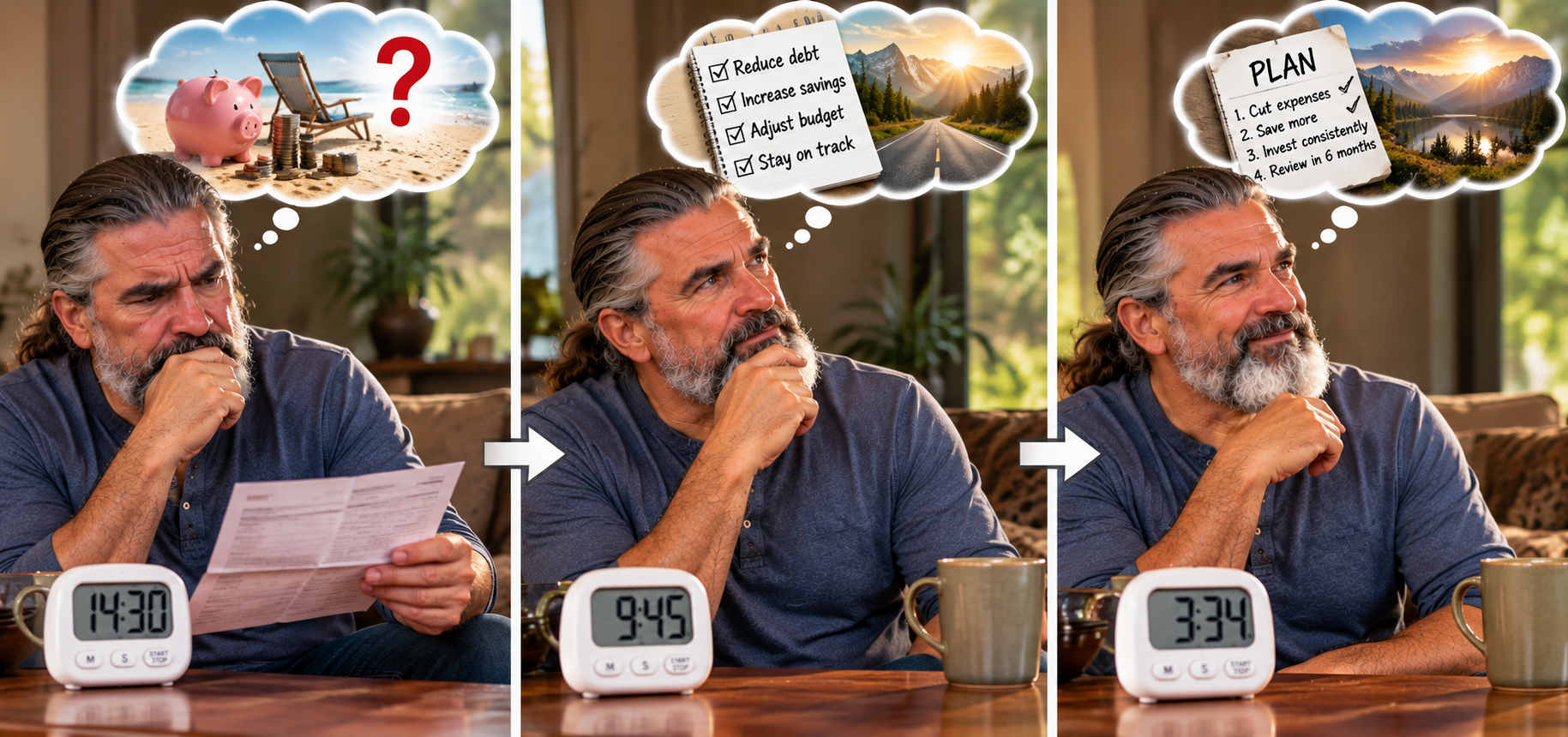
Give Worry a Fifteen-Minute Appointment
Trying to force yourself never to worry can backfire. Instead, choose one fifteen-minute period during the day to think about concerns, write down practical next steps, and distinguish immediate problems from hypothetical ones.
When a worry intrudes outside that period, note it briefly and return to the activity in front of you. During your scheduled time, choose one concrete action: make a call, gather a document, create a payment plan, or decide that no action is currently possible.
Do not schedule this session immediately before bed. The point is to contain worry so that it does not consume every available hour, not to ignore real responsibilities.
Set Boundaries That Protect Your Peace
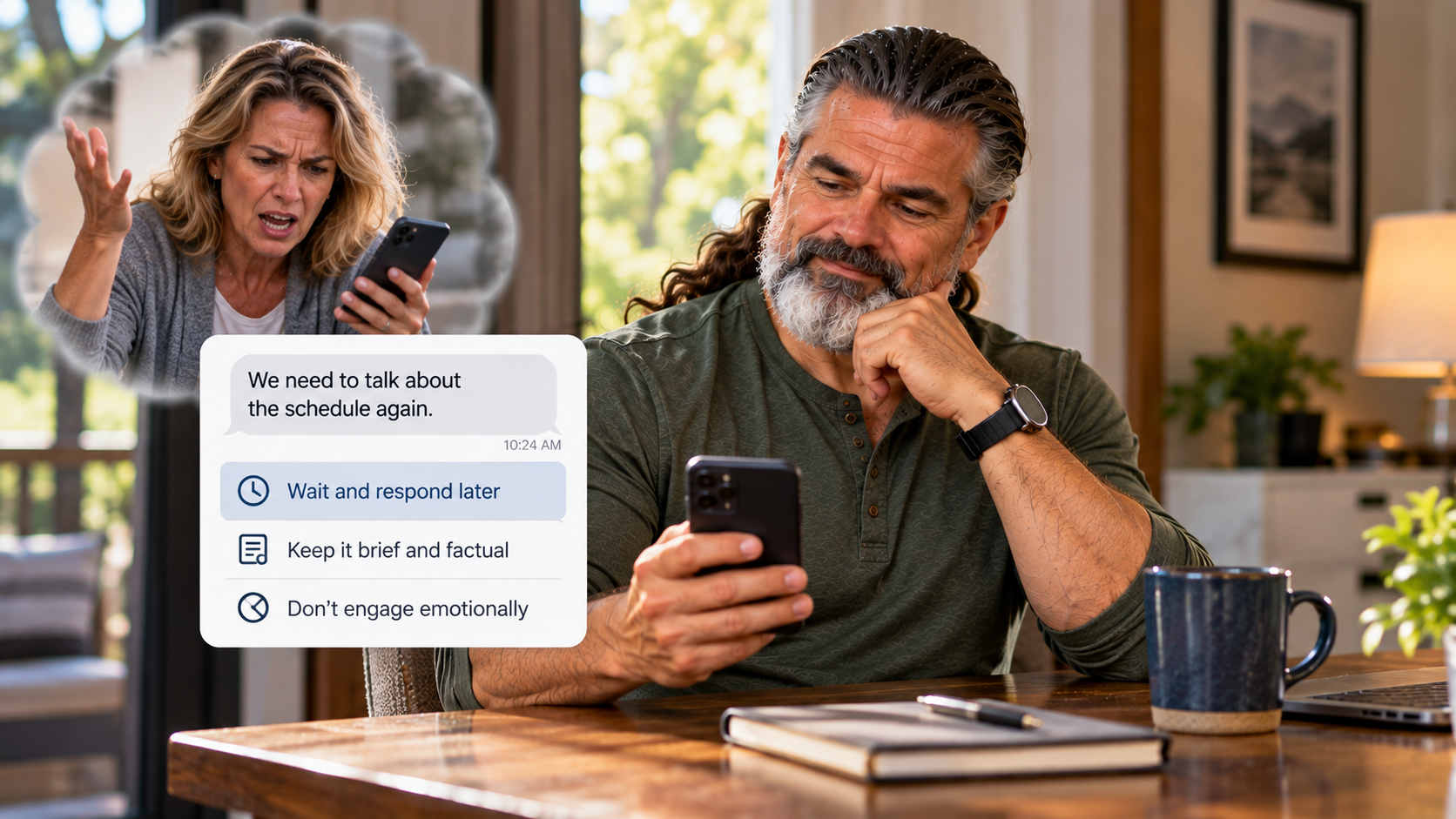
Divorce often requires continued communication, especially when children or shared obligations are involved. That does not mean every text requires an immediate emotional response.
Use a pause before answering provocative messages. Keep replies short, relevant, respectful, and focused on logistics. If an issue is not urgent, answer when you can think clearly. Consider using a consistent communication channel for routine parenting matters.
Boundaries are about your behavior, not controlling someone else's. If communication includes threats, harassment, or safety concerns, seek appropriate professional or legal guidance rather than relying on ordinary communication tips.
Restore Structure to Your Days
When life feels unpredictable, routine can reduce the number of decisions you must make while tired or anxious. Set a dependable wake-up time, prepare meals, establish work hours where possible, and plan a meaningful activity for evenings that otherwise feel empty.
Start with three anchors: one morning habit, one midday reset, and one evening shutdown. A ten-minute walk, a lunch away from your screen, and a regular bedtime are reasonable starting points.
Leave room for flexibility. The purpose of structure is to support you, not create another standard by which to criticize yourself.

Rebuild Sleep Before Exhaustion Takes Over
Stress can keep your mind active long after the day is over. Poor sleep can then make tomorrow's stress feel even larger. Breaking this cycle is a practical priority.
Keep a consistent sleep and wake schedule, dim bright screens late in the evening, limit late caffeine, and reserve the bed for sleep rather than arguments or work. If thoughts race, write tomorrow's first action on paper and leave the rest until morning.
Persistent insomnia, loud snoring with daytime sleepiness, or sleep problems that impair daily life warrant a conversation with a healthcare professional. Alcohol may make you sleepy initially but can disrupt sleep later in the night.

Move Your Body to Release Pressure
You do not need an extreme fitness program to benefit from movement. Walking outside, lifting manageable weights, and gentle stretching can provide structure, improve fitness, and help you shift attention away from repetitive worry.
For men returning to exercise after 50, begin at a level that fits current health and conditioning. A brisk walk several days a week and gradual strength training are more sustainable than a punishing program you abandon after three days.
Choose something you will repeat. Consistency matters more than impressive numbers, and exercise works best alongside sleep, social support, and practical problem-solving—not as a substitute for them.

Reconnect Instead of Carrying Everything Alone
After divorce, it can be tempting to isolate yourself because explaining what happened feels exhausting. Yet isolation can give stressful thoughts more room to grow.
Invite a friend for coffee, join a walking group, volunteer, or reconnect with someone you have not seen in a while. You do not have to make every conversation about divorce. Shared experiences and ordinary laughter also help you build a life that is larger than the breakup.
If sadness, anxiety, anger, or hopelessness remains intense or interferes with daily functioning, a qualified counselor can help you develop a more individualized plan.

A Practical 30-Day Plan for Taking Back Control
Week 1 — Establish stability. Track your biggest triggers, set a consistent wake-up time, and choose one daily grounding activity. Do not try to repair every part of your life at once.
Week 2 — Reduce mental overload. Introduce a fifteen-minute worry period, turn off unnecessary notifications, and practice waiting before responding to nonurgent messages.
Week 3 — Rebuild healthy connections. Reach out to two people, schedule a social activity, and add manageable physical movement to your week.
Week 4 — Build lasting habits. Review what helped, remove what did not, and choose three habits to continue over the next ninety days. Progress may be uneven; a difficult day does not erase the work you have done.

Choose Your Next Direction
Stress can make your world feel smaller. One way to counter that is to give yourself a modest, meaningful direction: a day trip, a new class, a healthier home routine, or a financial goal you can work toward.
You are not required to feel excited about the future every morning. You only need to take actions that make a better future more possible. Choose one step within your control, and then take the next.

Make Room for Enjoyment Again
Recovery is not measured only by how many problems you solve. It also shows up when you notice music, enjoy a conversation, laugh with friends, or look forward to a weekend without feeling guilty.
Try one new experience this month: an outdoor concert, a local event, a hiking trail, or a hobby group. These moments do not erase your history. They remind you that your life still has room for discovery.
Divorce may have changed the shape of your future, but it does not have to control every hour of it. Reduce the pressure where you can, seek help where you need it, and keep building a life that belongs to you.

Frequently Asked Questions About Stress After Divorce
Why does divorce cause so much stress for men?
Divorce can change finances, parenting routines, living arrangements, social connections, and a man's sense of identity at the same time. This uncertainty can keep the body's stress response activated.
How can I calm down when divorce stress suddenly hits?
Pause before reacting, breathe slowly, take a short walk, and identify the next action within your control. For a difficult message, wait until you can respond calmly unless the matter is urgent.
What are practical ways to manage stress after divorce over 50?
Begin with a steady sleep schedule, manageable exercise, regular meals, clear communication boundaries, and contact with supportive friends. Address one financial or household problem at a time.
Can exercise help reduce stress after divorce?
Regular physical activity can support mood, sleep, and overall health. Walking, strength training, and stretching are accessible starting points when adapted to your health and fitness level.
How do I stop thinking about my ex-wife all day?
Reduce unnecessary triggers, limit checking messages or social media, and set aside a brief scheduled period for practical worries. Redirect attention toward activities and decisions you can influence.
When should I seek professional help for divorce stress?
Consider speaking with a healthcare or mental-health professional if anxiety, insomnia, low mood, substance use, or anger persists or interferes with work, relationships, or everyday life.
Important: This article provides general information, not a diagnosis or individualized medical advice. If stress is persistent or overwhelming, speak with a qualified healthcare or mental-health professional.