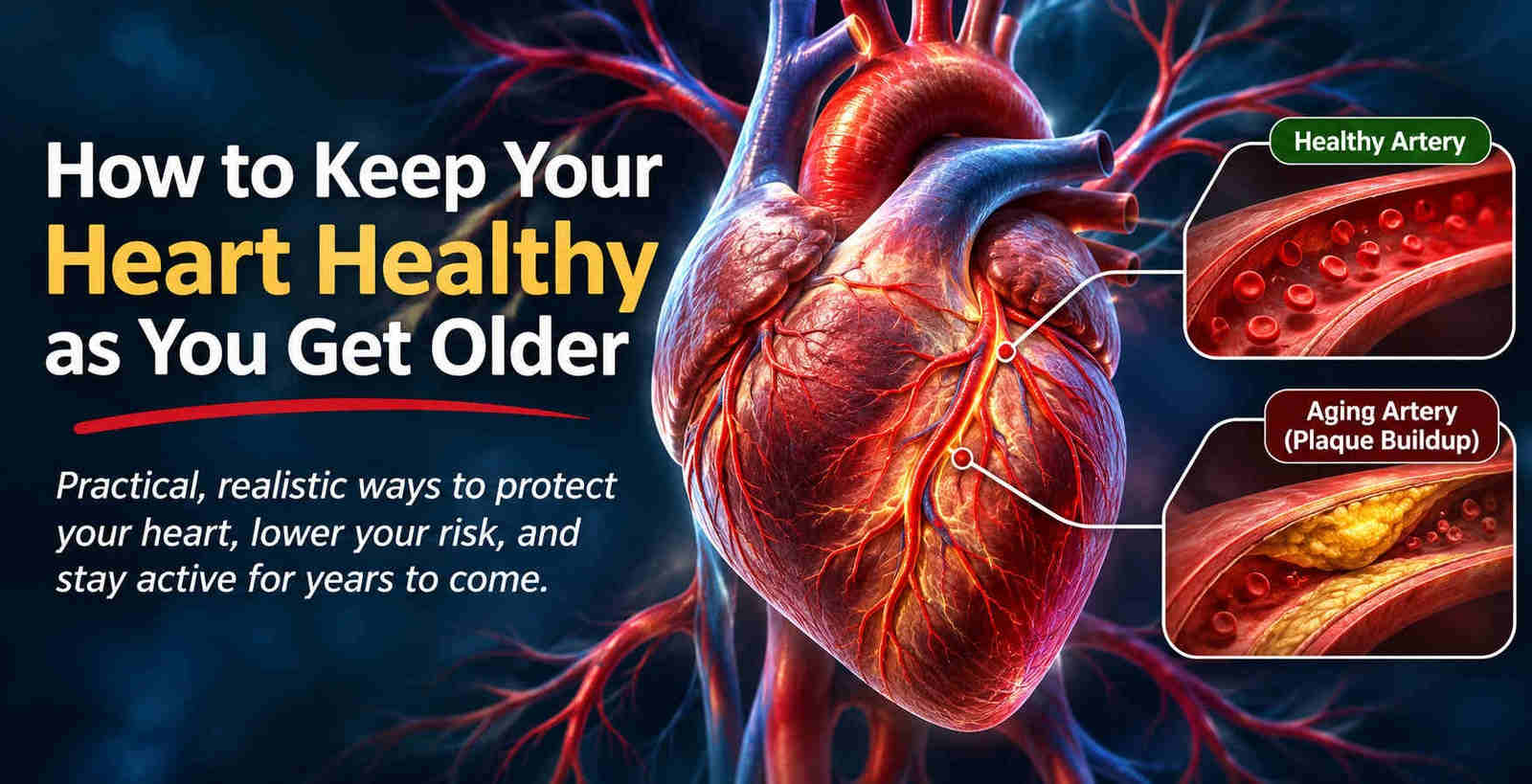
Your heart has been working for you every day of your life. As you get older, taking care of it becomes more important—but protecting your heart does not require extreme workouts, a complicated diet or a complete lifestyle makeover. Small, steady decisions can have a meaningful impact on your long-term health.
Whether you are in your 50s, 60s or beyond, you can take practical steps to support circulation, manage risk factors and maintain the energy to enjoy the things that matter to you. Here is where to focus.
1. Understand What Changes as Your Heart Ages
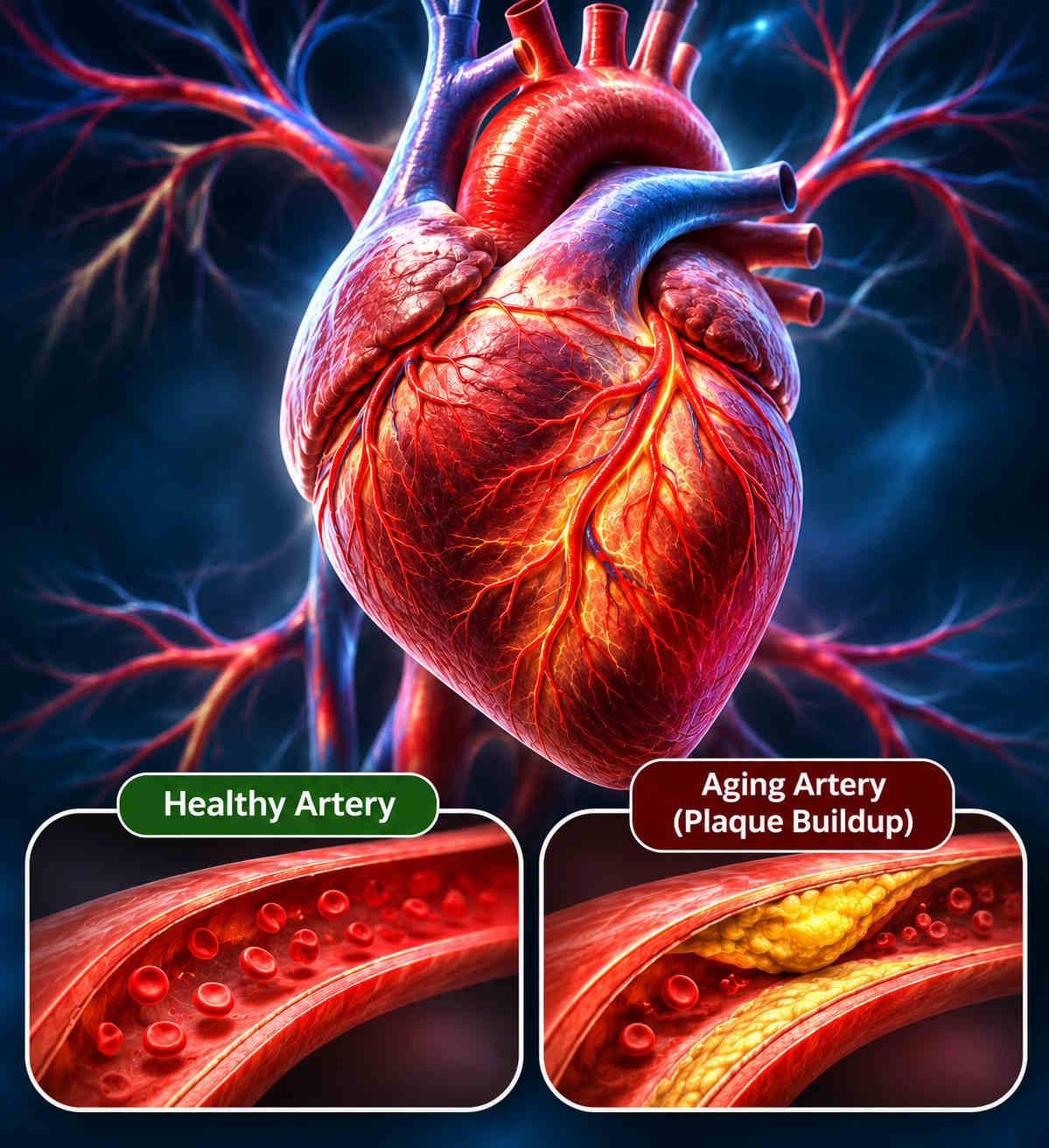
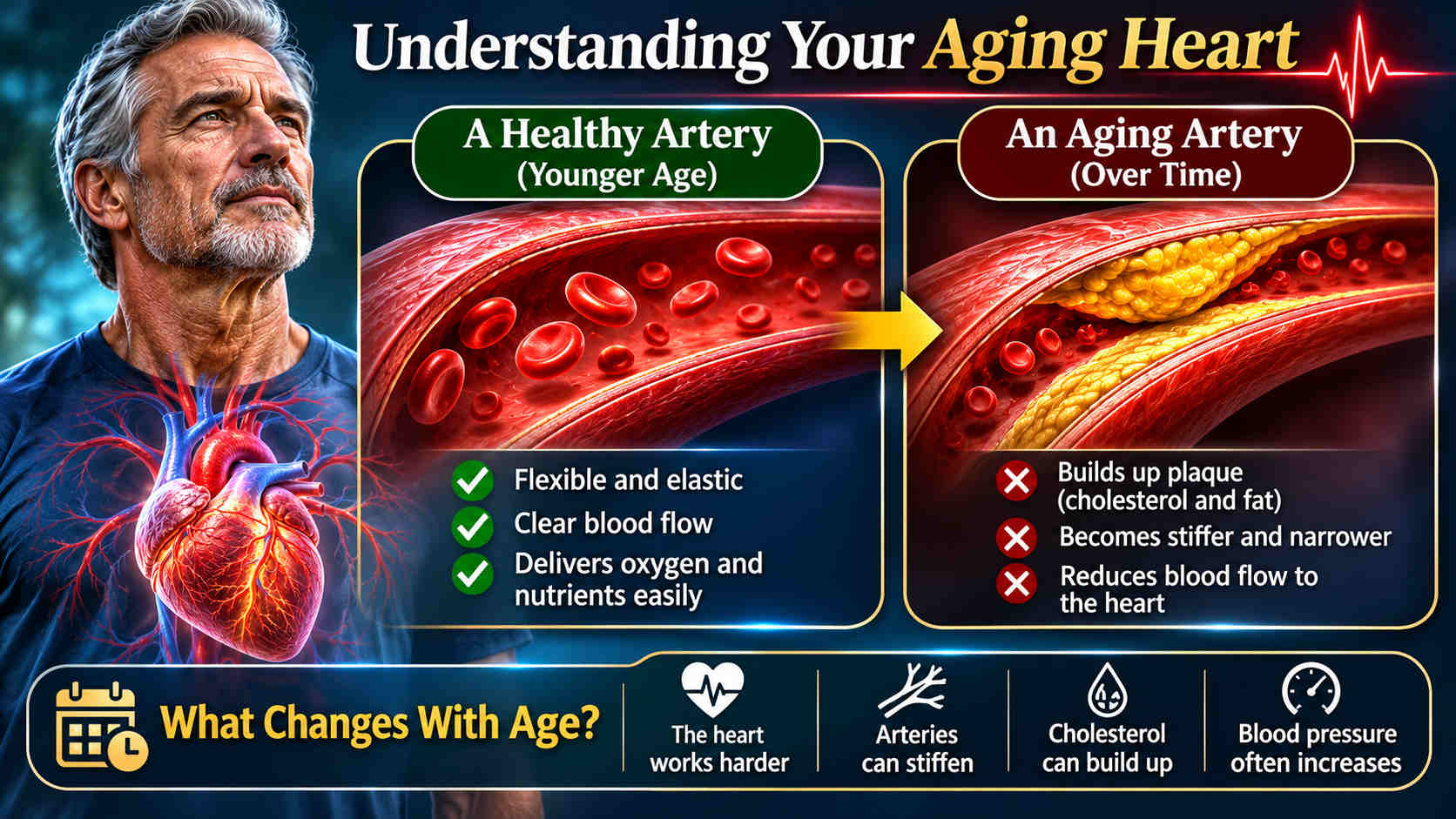
Your heart is a remarkable muscle, pumping blood through a network of vessels every minute of your life. Getting older does not mean heart disease is inevitable, but it does mean certain changes become more common. Blood vessels may become less flexible, blood pressure can rise, and years of exposure to high cholesterol, smoking, diabetes or inactivity may increase the chance of plaque accumulating in arteries.
Plaque can narrow blood vessels and, if it ruptures, trigger a blood clot. That is why cardiovascular prevention is not just about how strong you feel today. It is about protecting the arteries that supply your heart and brain for years to come.
Age and family history are not under your control. Blood pressure, tobacco exposure, physical activity, eating patterns, sleep and treatment of chronic conditions often are. The most useful question is not “Am I too old to change?” but “What is the next habit I can improve?”
2. Know the Three Numbers That Matter
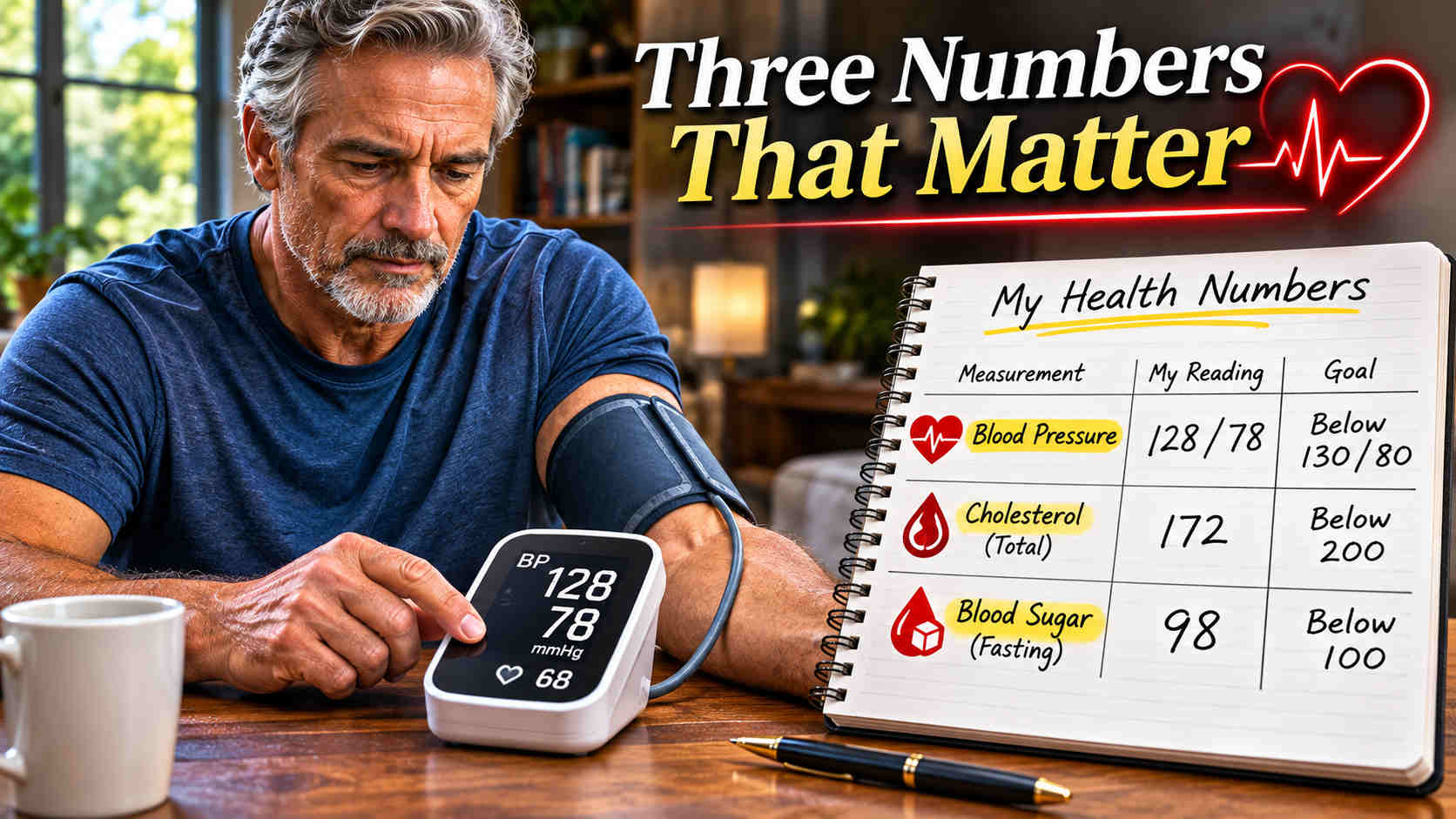
Blood pressure, cholesterol and blood sugar are important clues about cardiovascular risk. You may feel perfectly well while one or more of these is elevated, which makes routine measurement valuable.
Blood pressure
High blood pressure places extra strain on blood vessels and the heart. For many adults, a reading below 120/80 mm Hg is considered normal, but treatment goals depend on individual circumstances. Home readings can help reveal patterns; use a validated upper-arm monitor and discuss repeated elevated readings with your clinician.
Cholesterol
Cholesterol results need more interpretation than one total number. LDL cholesterol, HDL cholesterol, triglycerides and your overall risk profile help guide decisions about food choices and whether medication could be beneficial. A “normal” total cholesterol number does not guarantee low risk.
Blood sugar
Diabetes and elevated blood glucose can damage blood vessels over time. Your clinician may recommend fasting glucose or an A1c test based on age and risk factors. If you already have diabetes, ask how glucose management fits into your heart-protection plan.
Write down your readings, the date and any questions you want to ask at your next appointment. The purpose is to spot trends, not to chase perfection.
3. Start with the Ten-Minute Walking Strategy
Walking is one of the most accessible ways to improve cardiovascular fitness. It requires no gym membership, complicated equipment or dramatic lifestyle overhaul. If you have been inactive, begin with a comfortable ten-minute walk after breakfast or dinner. Add another short walk when it feels manageable.
Most adults benefit from a goal of at least 150 minutes of moderate-intensity aerobic activity each week, such as brisk walking. Moderate intensity means your breathing is faster but you can still talk. If you have heart disease, significant symptoms or mobility limitations, ask your care team about a safe starting level.
Small adjustments make walking easier to sustain: choose a familiar route, keep comfortable shoes near the door, invite a friend, or use a calendar to mark each completed session. When ten minutes becomes routine, increase the time gradually rather than suddenly trying to do too much.
Regular movement can help with blood pressure, blood sugar, sleep, mood and weight management. It is the consistency that makes the difference.

4. Add Strength Training Without Overdoing It
Cardiovascular health is not limited to cardio workouts. Maintaining muscle helps you stay independent, move comfortably and manage glucose as you age. Aim to work major muscle groups on two or more days per week if you are able.
Start with simple movements: standing up from a chair, wall push-ups, light resistance-band rows or carrying appropriately weighted groceries. Focus on good form and controlled breathing. Avoid holding your breath while straining, especially if your blood pressure is not well controlled.
You do not need to lift heavy weights to benefit. A short, repeatable routine paired with regular walking can be more useful than an intense workout you abandon after a week.
5. Build Meals Around Foods That Support Your Arteries
Think in terms of an overall eating pattern rather than one miracle food. A heart-supportive plate often includes vegetables, fruit, whole grains, beans, nuts, and sources of unsaturated fat. Fish such as salmon can provide omega-3 fatty acids; olive oil can replace some saturated fats; and oats and beans add fiber.
Reducing excess sodium can help manage blood pressure, especially when much of your food comes from restaurants, deli meats, canned soups or packaged meals. Compare labels and choose lower-sodium options when possible. Cutting back on highly processed foods, sugary drinks and frequent large portions also supports metabolic health.
Try one manageable change at a time. Add fruit to breakfast. Swap a refined-grain side for a whole grain. Include vegetables at lunch. Prepare fish or beans in place of processed meat once or twice a week. These are not glamorous changes, but they are realistic ones.

6. Pay Attention to Your Waistline, Not Just the Scale
Excess abdominal fat is associated with cardiometabolic risk, but body weight is only one piece of the picture. Blood pressure, cholesterol, glucose, fitness and smoking status may tell you more than the scale alone.
If weight loss would improve your health, choose gradual changes you can maintain: smaller portions of calorie-dense foods, more vegetables and protein-rich foods, fewer sugary drinks, and a walking routine that fits your schedule. Crash diets and extreme workouts often fail because they are difficult to sustain.
Measure progress by more than pounds. Notice whether you can walk farther, climb stairs more comfortably, sleep better and maintain healthier readings over time.
7. Treat Sleep as Part of Heart Maintenance
Sleep is not wasted time. Consistent, restorative sleep supports many processes that affect cardiovascular health, including blood pressure regulation, appetite and glucose metabolism. Most adults need roughly seven to nine hours per night, although individual needs vary.
Choose a regular bedtime and wake-up time, keep the bedroom dark and comfortable, and limit late caffeine and alcohol. If you snore loudly, wake up gasping, or feel unusually sleepy during the day, ask about sleep apnea. Untreated sleep apnea is linked with higher cardiovascular risk.
Improving sleep does not require a perfect nightly routine. Begin with one habit you can keep, such as putting away screens earlier or waking at the same time most mornings.

8. Make Stress Management Practical
Stress can affect heart health indirectly by disrupting sleep, increasing blood pressure temporarily and making it harder to exercise or eat well. Chronic stress may also encourage habits such as smoking, excess alcohol use or social withdrawal.
Instead of trying to eliminate stress, create ways to recover from it. A five-minute breathing break, a walk outdoors, a conversation with someone you trust, or a short daily mindfulness practice can make demanding days easier to manage.
If stress, anxiety or low mood are interfering with everyday life, professional support is a reasonable part of a health plan. Taking care of your emotional health and your physical health are complementary, not competing, goals.
9. Learn the Heart Warning Signs Men Sometimes Explain Away
Not every heart problem causes dramatic pain. Possible heart attack symptoms can include chest pressure, squeezing or discomfort; shortness of breath; a cold sweat; nausea; lightheadedness; or pain or discomfort spreading to the arm, back, neck, jaw or stomach. Symptoms may start during activity or at rest, and they can come and go.
Some people assume discomfort is indigestion, fatigue or simply getting older. Do not try to diagnose a possible heart attack yourself. If you suspect a heart attack, call 911 immediately. Do not drive yourself to the hospital or wait to see whether symptoms disappear.
Sudden weakness on one side, facial drooping, speech difficulty or other possible stroke symptoms also require emergency help. Knowing warning signs is part of prevention because prompt treatment can change outcomes.

10. Keep Up with Checkups and Recommended Screening
Routine healthcare visits offer a chance to review blood pressure, cholesterol, glucose, medications, family history and any new symptoms. Ask your clinician how frequently you should have blood tests and whether your age, smoking history or other risk factors call for additional screening.
For some adults, clinicians use a cardiovascular risk estimate to decide whether cholesterol-lowering medication or other prevention measures are appropriate. If you already take blood pressure, diabetes or cholesterol medication, do not stop it because you feel well. Discuss benefits, side effects and treatment goals with the prescriber.
Bring a written list of questions to your appointment. Good preventive care is a conversation, not just a collection of numbers.
11. Be Skeptical of Quick Fixes and Supplements
Products advertised as “heart cleanses,” artery detoxes or instant cholesterol cures often promise far more than the evidence supports. Supplements can interact with prescription medicines and are not substitutes for managing established cardiovascular risk factors.
Talk with your healthcare professional before starting supplements, particularly if you take blood thinners, blood pressure medicine or other long-term medications. Spend your energy first on approaches with stronger evidence: physical activity, food quality, tobacco avoidance, adequate sleep and appropriate medical treatment.
12. Avoid Tobacco and Be Thoughtful About Alcohol
If you smoke, quitting is one of the most important steps you can take for your cardiovascular health. Tobacco damages blood vessels and increases the risk of heart attack and stroke. Ask about counseling, nicotine-replacement therapies or prescription options that can improve your chance of quitting.
Alcohol is not required for heart health. Drinking can raise blood pressure, disrupt sleep and add calories; if you do not drink, there is no cardiovascular reason to start. If you do drink, consider reducing your intake and discuss individual risks with your clinician.
13. Create a 30-Day Heart Health Reset
Trying to overhaul everything at once is a common reason health plans fail. A month-long reset gives you a simple structure for practicing the basics without demanding perfection. Think of it as a starting point, not a finish line.
Your four-week roadmap
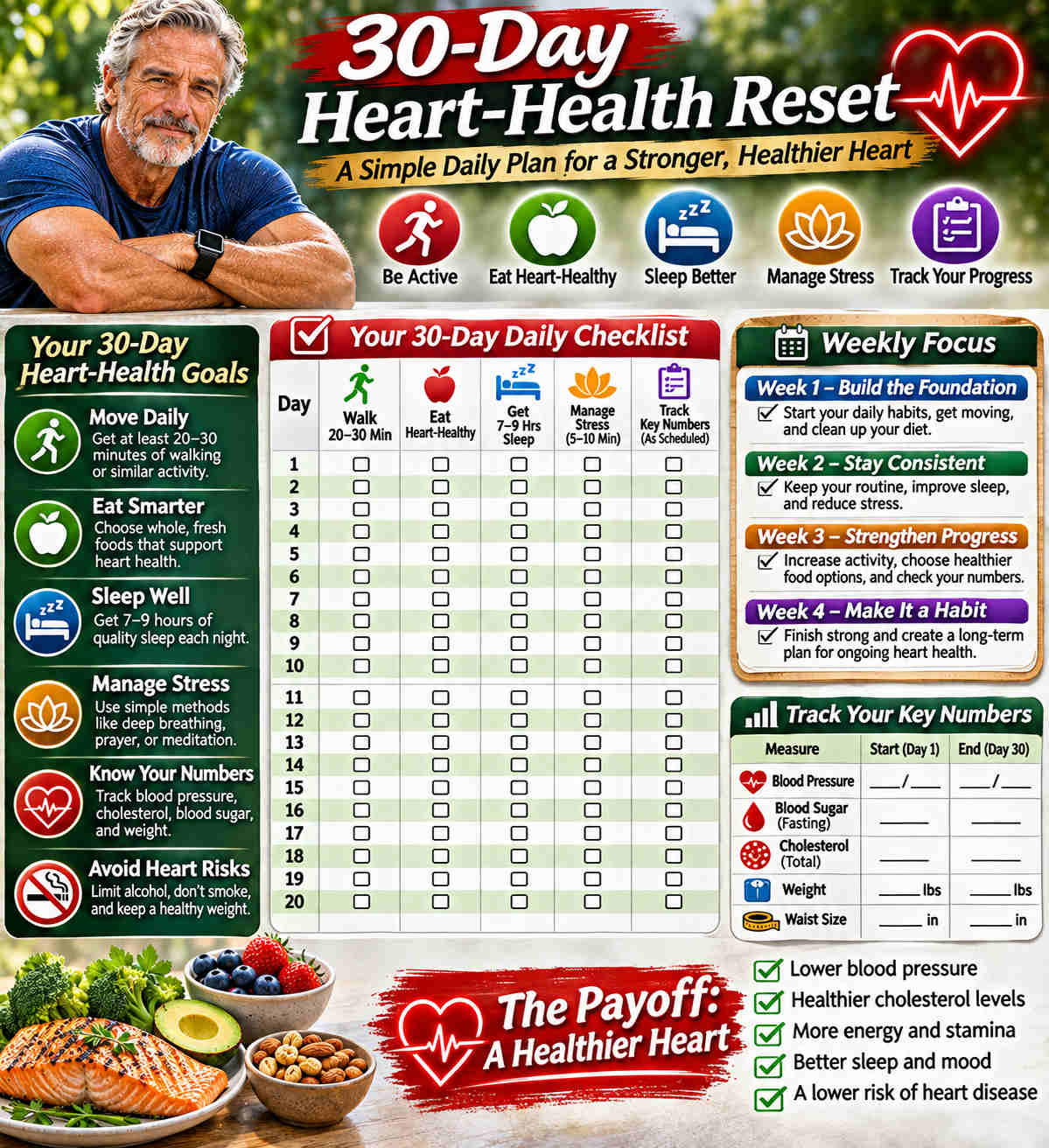
- Week 1 — Build the foundation. Take a comfortable walk most days, identify one nutrition improvement and set a consistent bedtime.
- Week 2 — Stay consistent. Continue your routine, prepare a few heart-supportive meals and practice a brief daily stress-reduction technique.
- Week 3 — Strengthen progress. Add time or intensity to walking only as appropriate, consider basic strength work, and review any health readings your clinician recommends tracking.
- Week 4 — Make it sustainable. Identify the habits that worked, remove unnecessary obstacles and choose what you will continue next month.
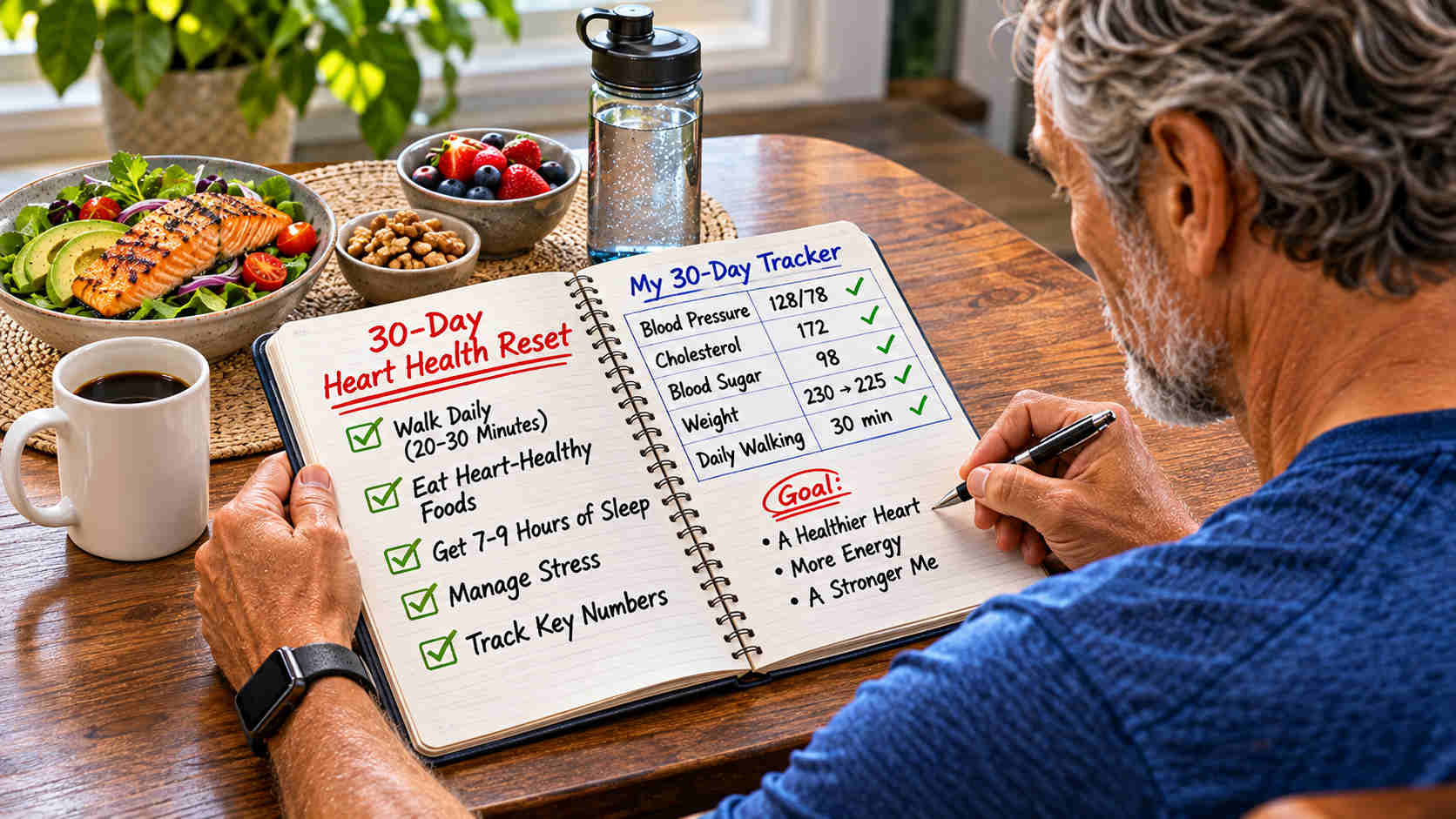
The notebook scene below shows how simple tracking can keep your plan visible and achievable.
Save the daily checklist
Use the illustrated checklist as inspiration for tracking walking, nutrition, sleep and stress. Note: the supplied graphic currently displays checkboxes for days 1–20 only; a complete 30-day printable version should include days 21–30 before publication as a finished tracker.
Frequently Asked Questions
Can you improve heart health after age 60?
Yes. Improving physical activity, food choices, sleep and risk-factor management can benefit cardiovascular health at older ages. Your clinician can help tailor the approach to your circumstances.
How much walking is good for your heart?
A general adult target is 150 minutes of moderate aerobic activity per week. If you are starting from inactivity, shorter walks are a useful first step; build gradually.
What symptoms could mean a heart attack?
Chest discomfort, shortness of breath, cold sweat, nausea, lightheadedness or pain in the arm, back, neck or jaw can be warning signs. Call 911 immediately if you suspect a heart attack.
Better heart health is not one dramatic decision. It is the result of habits you can repeat, the numbers you pay attention to and the care you seek when something changes.
← Back to General Physical Health