Vietnam Dating Culture
Dating In Vietnam: Traditions And Modern Dating
Dating in Vietnam is not simply about meeting a beautiful woman in another country. It is about understanding a culture where family respect, modesty, education, patience, hospitality, and modern ambition often shape how relationships begin and grow.
Vietnam is one of the most interesting places in Asia for foreign men who are dating after divorce because it does not fit neatly into one simple category. It is traditional, but not frozen in the past. It is modern, but not rootless. It is romantic, but often reserved. It is family-centered, but increasingly shaped by educated young professionals building careers in cities like Hanoi, Ho Chi Minh City, Da Nang, and Can Tho.
For a divorced man, that mix can feel both refreshing and challenging. Many Vietnamese women value kindness, emotional steadiness, responsibility, and long-term commitment. At the same time, Vietnamese dating customs can be different from what many American or Western men expect. A woman may be warm but cautious. She may be interested but still careful about family opinion. She may enjoy modern dating apps and cafés but still care deeply about tradition, reputation, and whether a man shows genuine respect.
That is why successful dating in Vietnam requires more than attraction. It requires cultural awareness. The more a man understands Vietnam’s unique rhythm, the easier it becomes to build trust without rushing, impress without showing off, and connect without misunderstanding quiet signals.
Vietnam Is More Than Ho Chi Minh City
One mistake foreign men make is assuming Vietnam is one uniform dating environment. It is not. A woman from Hanoi may have a different social style than a woman from Ho Chi Minh City. A woman raised in Hue may carry a different sense of tradition than someone working in an international company in Saigon. A woman from Da Nang may combine coastal openness with strong family roots.
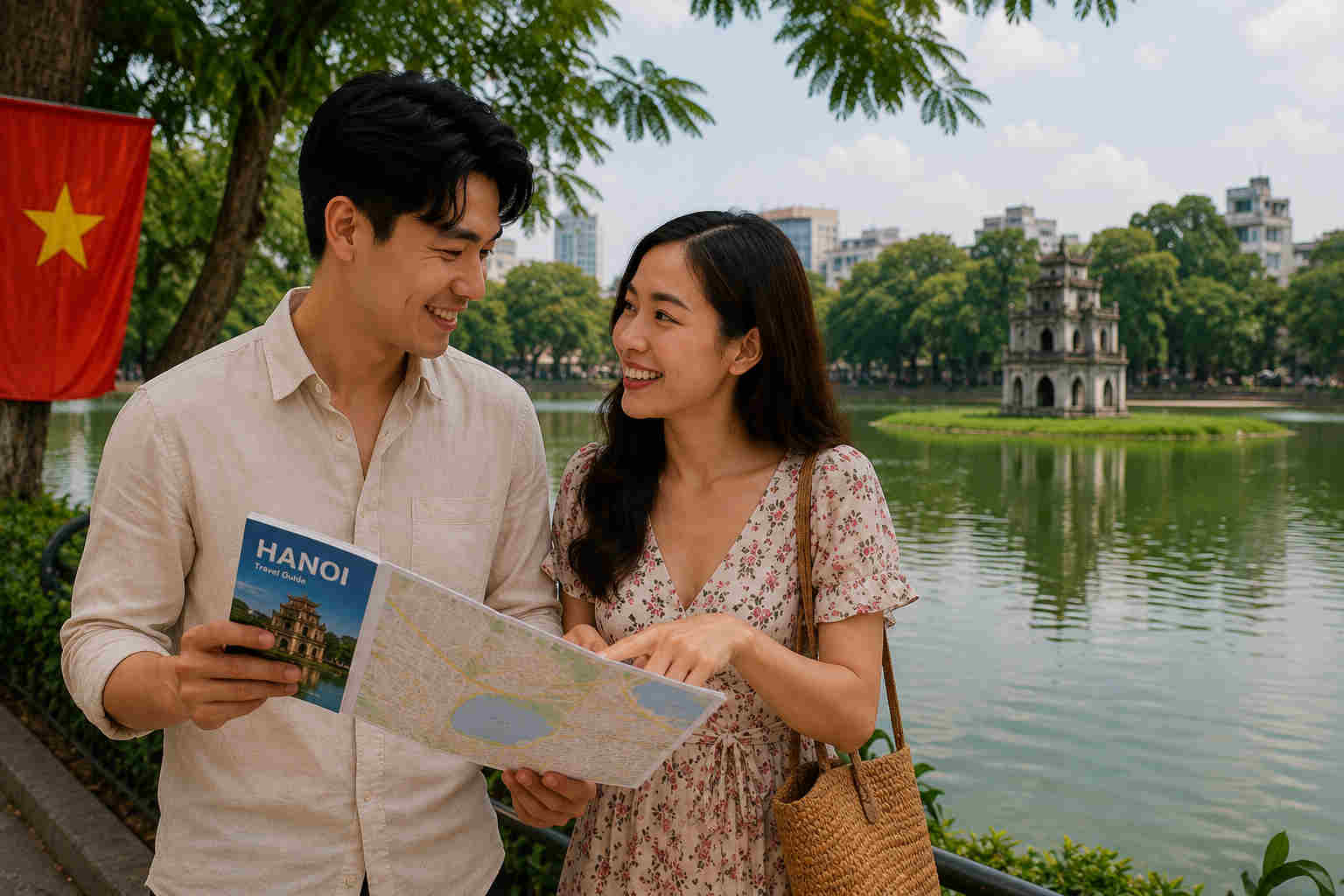
Hanoi, in the north, often feels more formal and historically rooted. It is a city of old streets, lakes, French colonial buildings, government institutions, universities, and families who may place strong emphasis on education and reputation. Dating in Hanoi can feel polite and measured. Conversations may unfold slowly. A woman may want to understand a man’s character before appearing too emotionally available.
Ho Chi Minh City, often still called Saigon, feels faster, more commercial, and more international. Women there may work in banking, technology, hospitality, marketing, education, or international trade. Dating can feel more modern, but that does not mean family values disappear. Even a highly independent professional woman may still care deeply about how a partner treats her parents, how serious his intentions are, and whether his life appears stable.
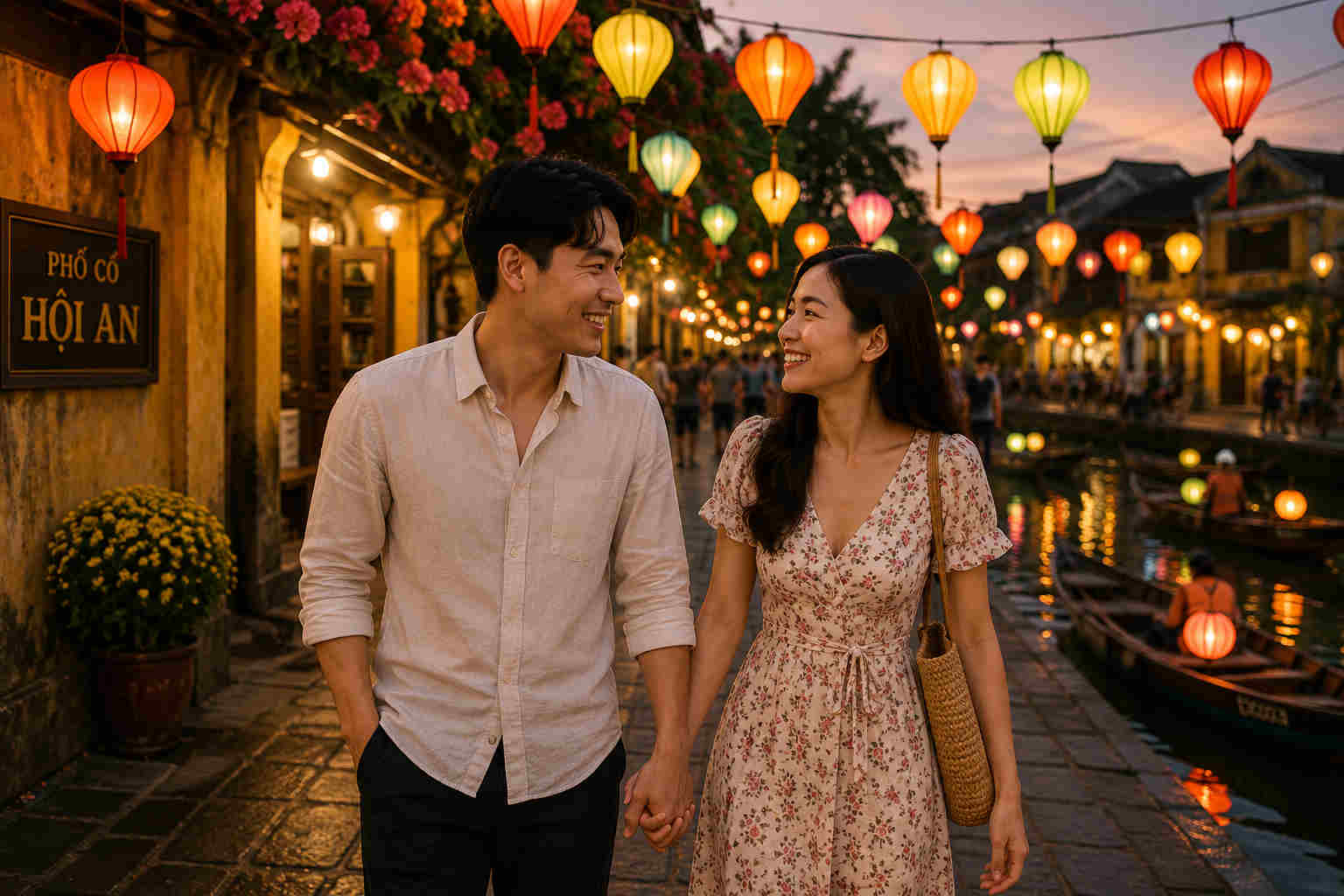
Central Vietnam adds another layer. Da Nang is coastal and increasingly modern. Hue carries the memory of imperial Vietnam and often feels quieter and more traditional. Hoi An is romantic, historic, and famous for lanterns, but it is also surrounded by families, markets, temples, and countryside life. Understanding these regional differences makes the article—and the dating experience—more realistic.
Family Is Not Background Noise
In many Western dating cultures, a relationship begins between two people and family enters later. In Vietnam, family may influence the relationship from the beginning, even when it is not directly discussed. A Vietnamese woman may ask questions that seem casual but are really about stability and character: Do you have children? Are you close to them? What happened in your marriage? Do you respect your parents? Do you live responsibly? Do you drink heavily? Do you keep your promises?
These questions matter because Vietnamese family culture often connects love with responsibility. A serious relationship is not only about romance. It is about whether two lives can fit into a larger network of parents, siblings, grandparents, traditions, holidays, and expectations.
This does not mean every Vietnamese woman is controlled by her family. Many are independent and make their own decisions. But it does mean that a man who dismisses family as unimportant may create distrust without realizing it. Respecting family does not require pretending to be Vietnamese. It simply means understanding that family approval, family comfort, and family honor can matter.
Meeting Her Family Is Often A Character Test
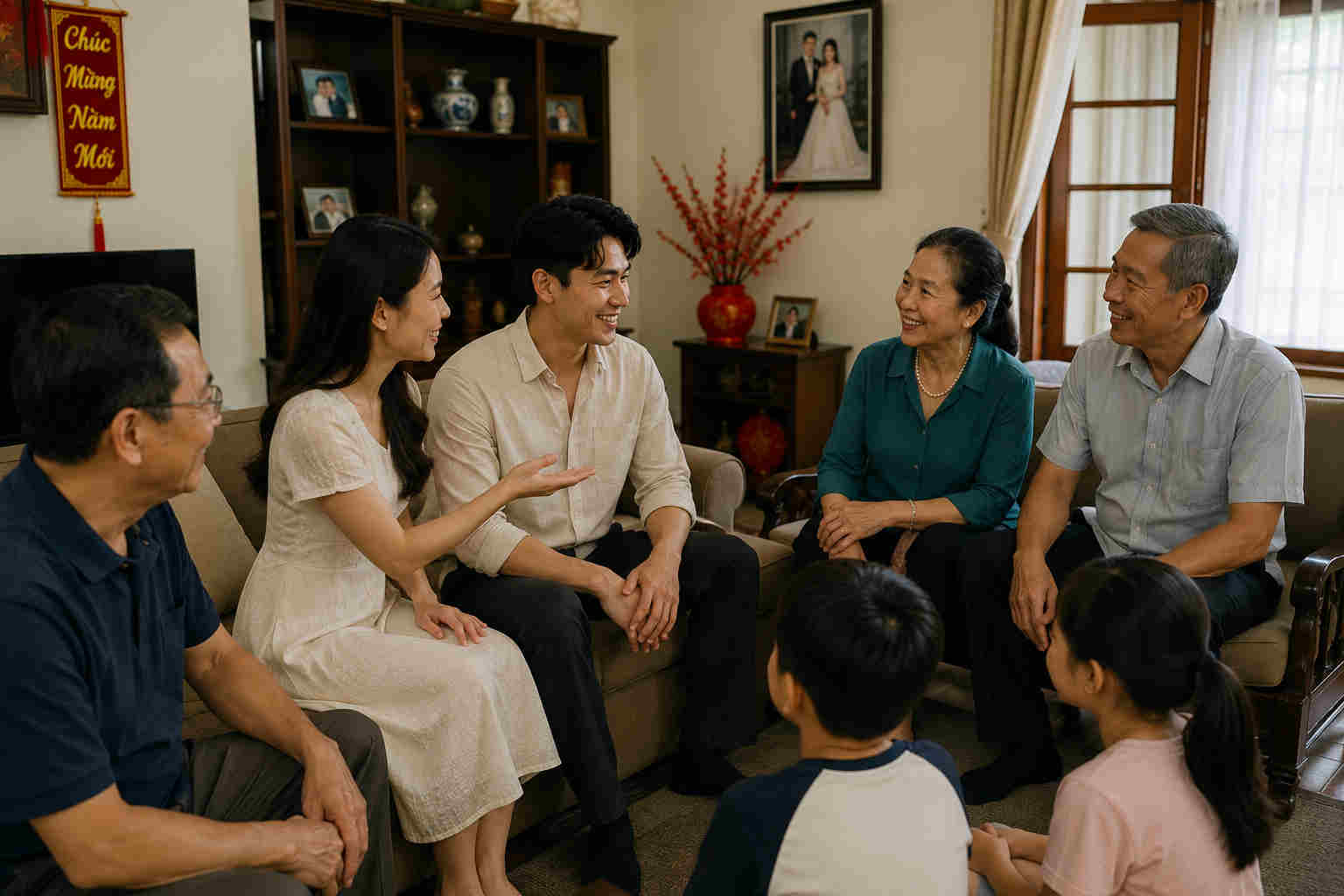
If a Vietnamese woman introduces you to her family, do not treat it casually. Even a simple living room visit can carry meaning. You are not only being introduced as someone she likes. You are being observed as a man. Are you polite? Do you greet elders respectfully? Do you listen more than you talk? Do you show patience if family members speak limited English? Do you appear sincere or performative?
Small gestures count. Removing shoes when appropriate, greeting older relatives first, bringing a modest gift, complimenting the home, thanking the family, and showing interest in Vietnamese customs can all leave a positive impression. Loud jokes, bragging, strong political opinions, or acting too familiar too soon can create discomfort.
For divorced men, family meetings can also bring up important topics. Vietnamese parents may wonder whether a divorced foreign man is serious, whether he has unresolved obligations, whether he is emotionally stable, and whether he views their daughter as a person or as an escape from loneliness. The best answer is not a speech. The best answer is calm, respectful behavior over time.
Tradition Still Shapes Modern Dating
Vietnamese dating culture is changing quickly, especially among younger professionals. Dating apps, social media, English language learning, international travel, and overseas education have all changed how men and women meet. Still, traditional values continue to influence expectations.
Many Vietnamese women appreciate romance, but they may not want a relationship that becomes physically or emotionally intense too quickly. Public displays of affection may be more reserved, especially around family or older people. A woman may prefer conversation, shared meals, coffee dates, and gradual trust before serious commitment. This can confuse men who are used to more direct Western dating signals.
A slower pace does not automatically mean lack of interest. In Vietnam, caution can be a sign of self-respect. A woman may be protecting her reputation, evaluating your seriousness, or simply following a rhythm that feels natural in her culture. Divorced men who slow down often do better than men who try to force clarity too soon.
Coffee Before Romance
One of the most uniquely Vietnamese dating experiences is the café date. Vietnam has a deep coffee culture, and coffee is not just a drink. It is a social setting. Couples, friends, students, businesspeople, and families spend long periods talking in cafés. A date over cà phê sữa đá, egg coffee, coconut coffee, or salt coffee can feel more natural than an expensive dinner.
This matters for foreign men because it changes the atmosphere. A Vietnamese café date is not about proving wealth. It is about conversation. Can you sit comfortably together? Can you listen? Can you laugh? Can you enjoy a slower moment without needing to turn everything into a performance?
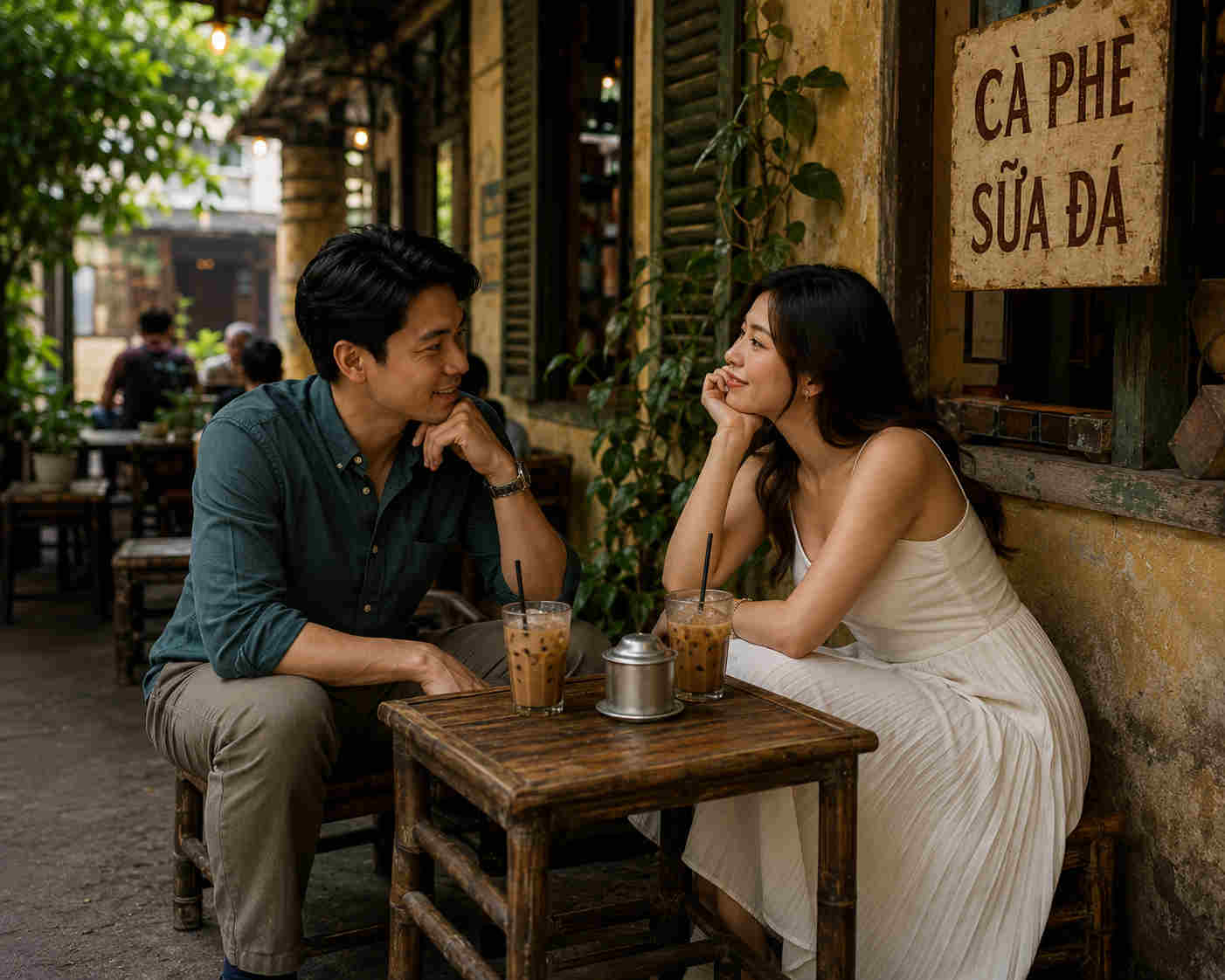
For a divorced man, this can be especially valuable. Divorce often leaves men impatient to know where things are going. Coffee culture encourages presence. It gives the relationship space to breathe. A good conversation over iced coffee may tell you more about compatibility than three rushed romantic gestures.
Education, Ambition, And Quiet Strength
Many foreign men notice that Vietnamese women often combine softness with determination. This is not accidental. Vietnam is a country shaped by resilience, family sacrifice, education, and rapid economic growth. Many women are serious about school, career, family responsibilities, and self-improvement.
It is common to meet Vietnamese women who are studying English, building businesses, working in professional fields, helping support parents, or planning carefully for the future. They may be feminine without being passive. They may be traditional without being dependent. They may appreciate a stable man, but still want to be respected as intelligent and capable.
This is where some foreign men misunderstand Vietnamese women. They may assume traditional values mean a woman wants to be controlled or rescued. In reality, many Vietnamese women are looking for a man who is steady, respectful, and serious—not someone who treats them as simple or helpless.
Food And Markets Reveal The Culture
Vietnamese culture is experienced through food, markets, and everyday street life. A man who only sees hotels, tourist attractions, and dating events will miss much of what makes Vietnam distinct. Local markets reveal how Vietnamese families shop, cook, bargain, socialize, and maintain daily routines.
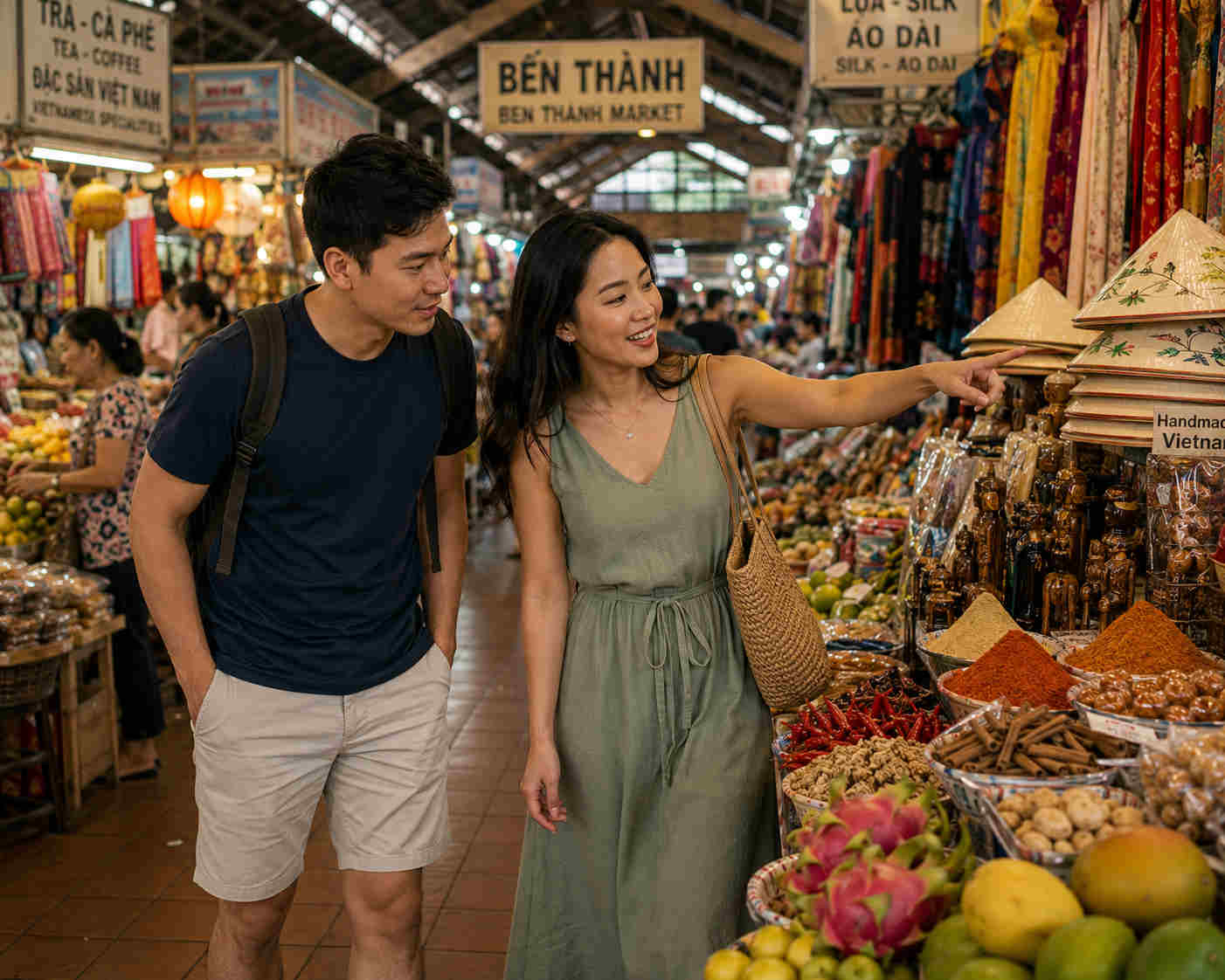
Walking through Bến Thành Market in Ho Chi Minh City or Đồng Xuân Market in Hanoi can become more than sightseeing. It can become a relationship moment. She may explain spices, tropical fruit, silk clothing, coffee, local snacks, handmade crafts, or foods connected to childhood memories. If you listen with genuine curiosity, you are not just learning about Vietnam. You are learning about her life.
Modern Dating Apps And International Introductions
Modern Vietnamese dating includes dating apps, social media, video calls, messaging, and international dating platforms. Many Vietnamese women are comfortable communicating online, especially in larger cities. But healthy international dating should move toward reality, not remain trapped in endless fantasy.
Video calls, honest conversations, clear intentions, and eventually meeting in person are important. A relationship that never becomes more real over time should be evaluated carefully. Real connection grows through consistency and shared experience.
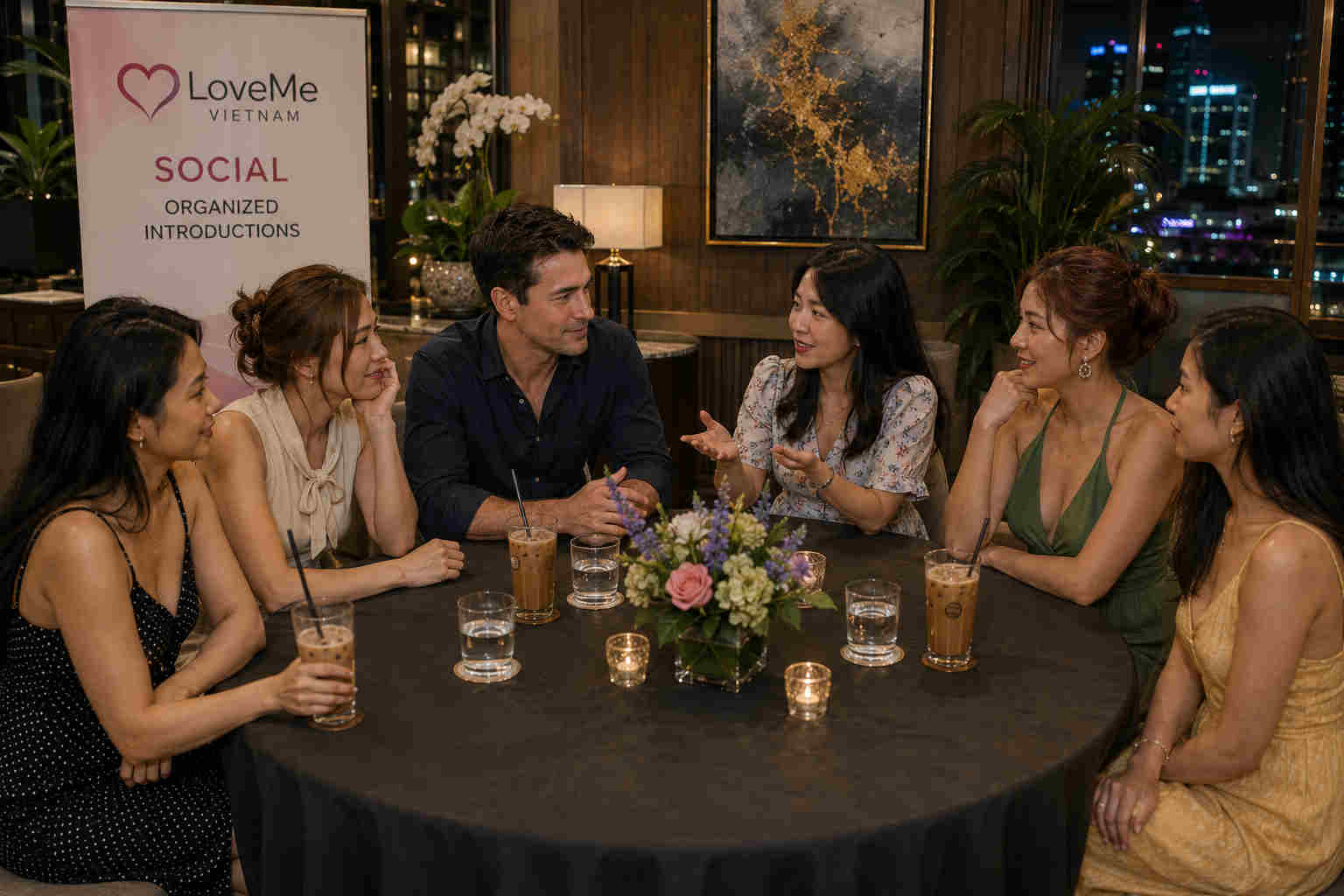
Some foreign men prefer organized introductions instead of relying entirely on apps. Companies such as LoveMe.com have offered Vietnam romance tours and social events where foreign men can meet Vietnamese women in structured settings. These events may include translators, group introductions, and opportunities for conversation. The best mindset is not to treat the event like a competition. The better approach is to meet people respectfully, ask thoughtful questions, and notice where conversation feels natural.
Travel Should Deepen The Relationship
Vietnam offers more than city dating. Shared travel can reveal compatibility because it shows how two people handle curiosity, inconvenience, planning, tiredness, excitement, and unexpected moments. A boat ride through Tràng An, a walk through Hoi An, a food tour in Hanoi, or a visit to Da Nang can show how naturally two people enjoy each other outside a scripted setting.
This is especially important after divorce. A man may know what chemistry feels like, but he may need to relearn what peace feels like. Does the relationship feel easier when you spend time together? Can you talk without constantly performing? Can you handle quiet moments? Do you enjoy learning together?

Respect For Spiritual And Cultural Spaces
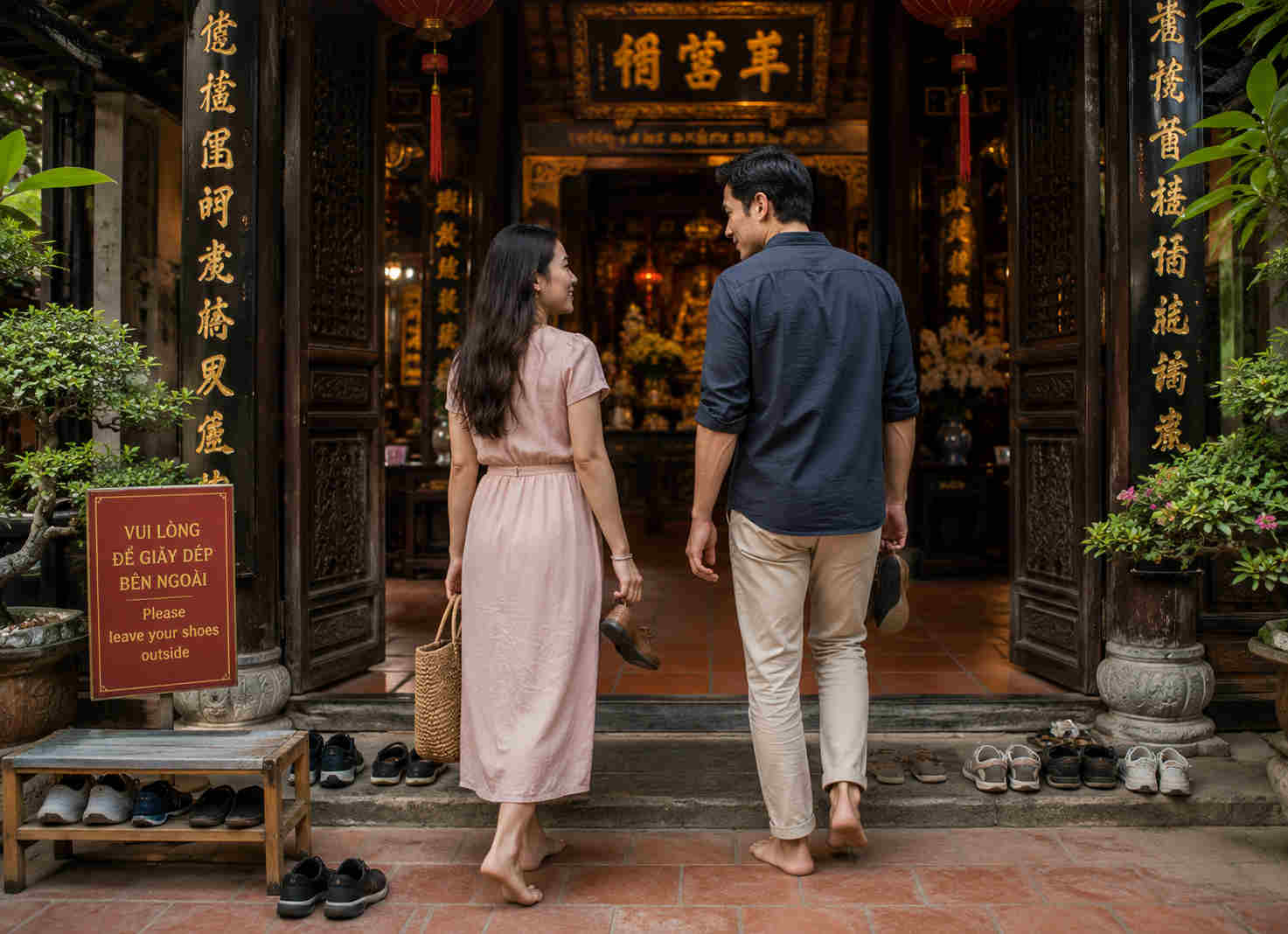
Vietnam has Buddhist temples, ancestral altars, pagodas, communal houses, Catholic churches, and spiritual traditions that may be unfamiliar to foreign visitors. Even if you do not share the same beliefs, respectful behavior matters. Speak quietly. Dress modestly when appropriate. Remove shoes when required. Do not treat sacred spaces as photo props.
For Vietnamese women, watching how a man behaves in traditional spaces can reveal his character. Does he slow down? Does he observe? Does he ask respectful questions? Or does he rush through everything because it is not his culture?
Common Mistakes Foreign Men Make In Vietnam
The first mistake is assuming every Vietnamese woman wants to leave Vietnam. Many love their country, careers, family, food, language, and way of life. Some may be open to relocation. Others may prefer staying close to family. Do not assume immigration is the hidden motivation behind every conversation.
The second mistake is leading with money. Financial stability is positive, but boasting about income, houses, retirement accounts, or what you can provide can make a sincere woman uncomfortable. It may also attract the wrong kind of attention. Vietnamese dating culture often respects modest confidence more than loud success.
The third mistake is treating Vietnam like a fantasy. Vietnamese women are not all the same. Some are traditional. Some are modern. Some are shy. Some are direct. Some want marriage. Some are focused on careers. The more you rely on stereotypes, the less likely you are to understand the person in front of you.
The fourth mistake is rushing physical intimacy or commitment. A relationship that crosses cultures needs time. There may be language differences, family expectations, visa questions, work obligations, and emotional histories on both sides. Patience is not weakness. It is protection.
Dating After Divorce In Vietnam
For divorced men, Vietnam can offer a valuable reset—but only if approached with maturity. The goal is not to replace an ex-wife with someone from another culture. The goal is to become clear about what kind of relationship you can build now.
Vietnamese dating culture often rewards steadiness. If you are angry about your divorce, bitter toward women, or looking for someone to fix your loneliness, that will eventually show. If you are calm, honest, respectful, and emotionally grounded, that will show too.
Final Thoughts: A Relationship Built With Respect
Dating in Vietnam is unique because the culture blends old and new in a way that is difficult to find elsewhere. A couple might meet through a modern dating site, talk over video calls, enjoy coffee in a stylish café, meet family in a traditional home, visit a temple, explore a market, and release lanterns together in Hoi An. That blend is Vietnam.
For foreign men, especially divorced men, the opportunity is not simply to meet Vietnamese women. The opportunity is to learn a different rhythm of relationship—one shaped by patience, family, respect, culture, and sincere communication.
The right approach is simple but not always easy. Slow down. Ask better questions. Learn about her city. Respect her family. Appreciate Vietnamese traditions. Do not lead with money. Do not rely on stereotypes. Let trust grow through consistent behavior.
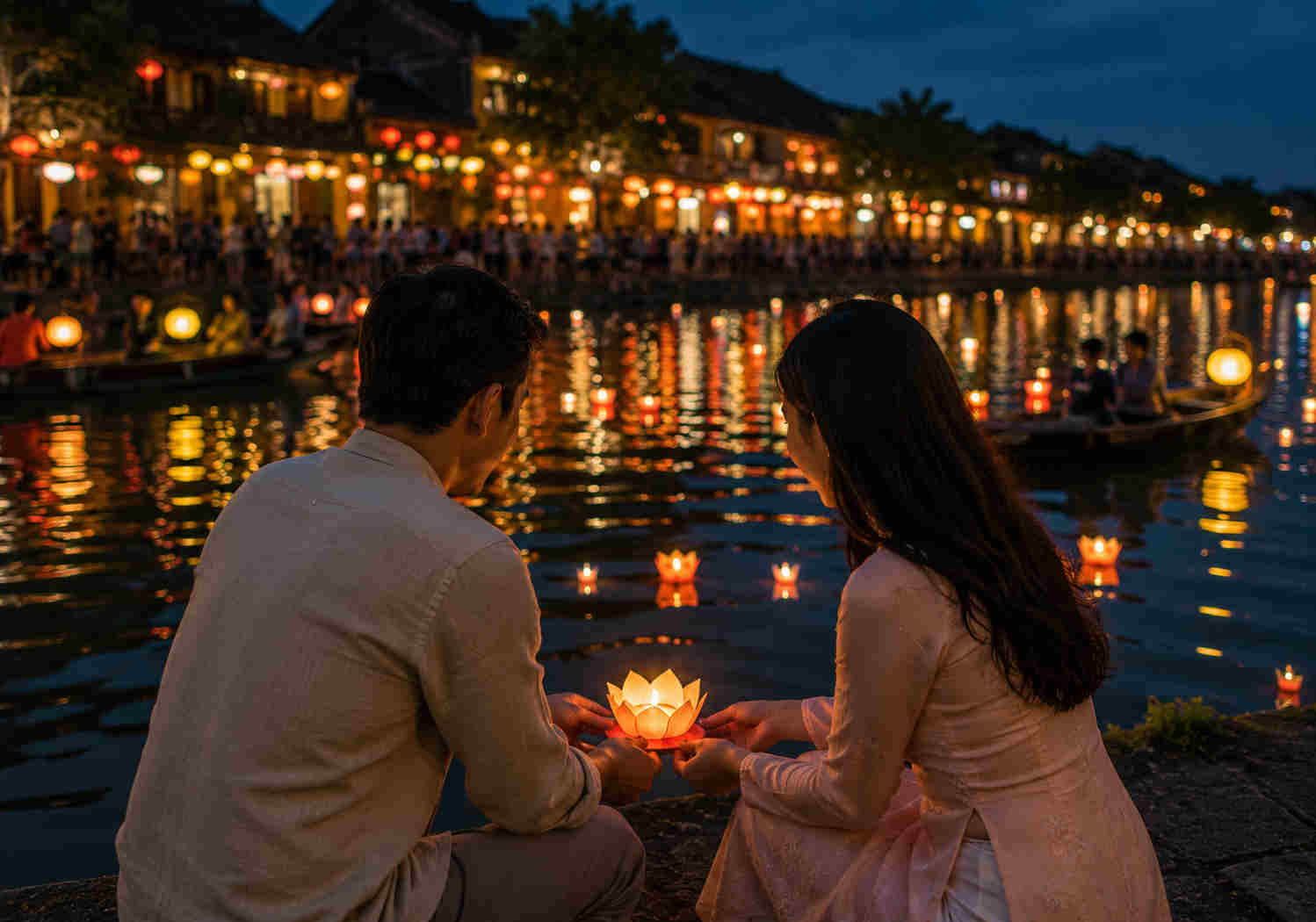
When two people approach the relationship honestly, cultural differences do not have to create distance. They can create depth. Vietnam offers beauty, history, food, family traditions, modern ambition, and moments of quiet romance. But the strongest relationship will not come from the scenery. It will come from whether both people are willing to understand each other with patience and respect.