Niche Online Dating
What Nobody Tells You About Niche Dating Apps
The real power of niche dating apps is not just that the dating pool is smaller. It is that the entire psychology of the experience changes. People behave differently, conversations develop differently, and serious relationships often have a better place to begin.
If you have spent any time on the largest dating apps, you probably know the feeling. Thousands of profiles are available, but very few conversations feel grounded. A person matches, sends two messages, disappears, returns a week later, and then vanishes again. The app looks full, but the experience feels strangely empty.
For many divorced men, especially men who are dating with marriage, faith, family values, or long-term commitment in mind, the problem is not a lack of people. The problem is a lack of fit. That is why niche dating apps have become more important. They do not try to attract everyone. They attract people who already share a certain intention, lifestyle, belief system, culture, or relationship goal.
This article is not a simple list of the best niche dating apps. Lists become outdated quickly. Instead, this is about the hidden psychology behind niche online dating, why specialized dating communities can work better for serious relationships, and how divorced men can use them without falling into the same patterns that make mainstream dating apps exhausting.
The Biggest Myth About Dating Apps
Most people compare dating apps like they compare restaurants. One has more users. Another has better reviews. Another has more features. Another has a better-looking interface. But that misses the deeper point.
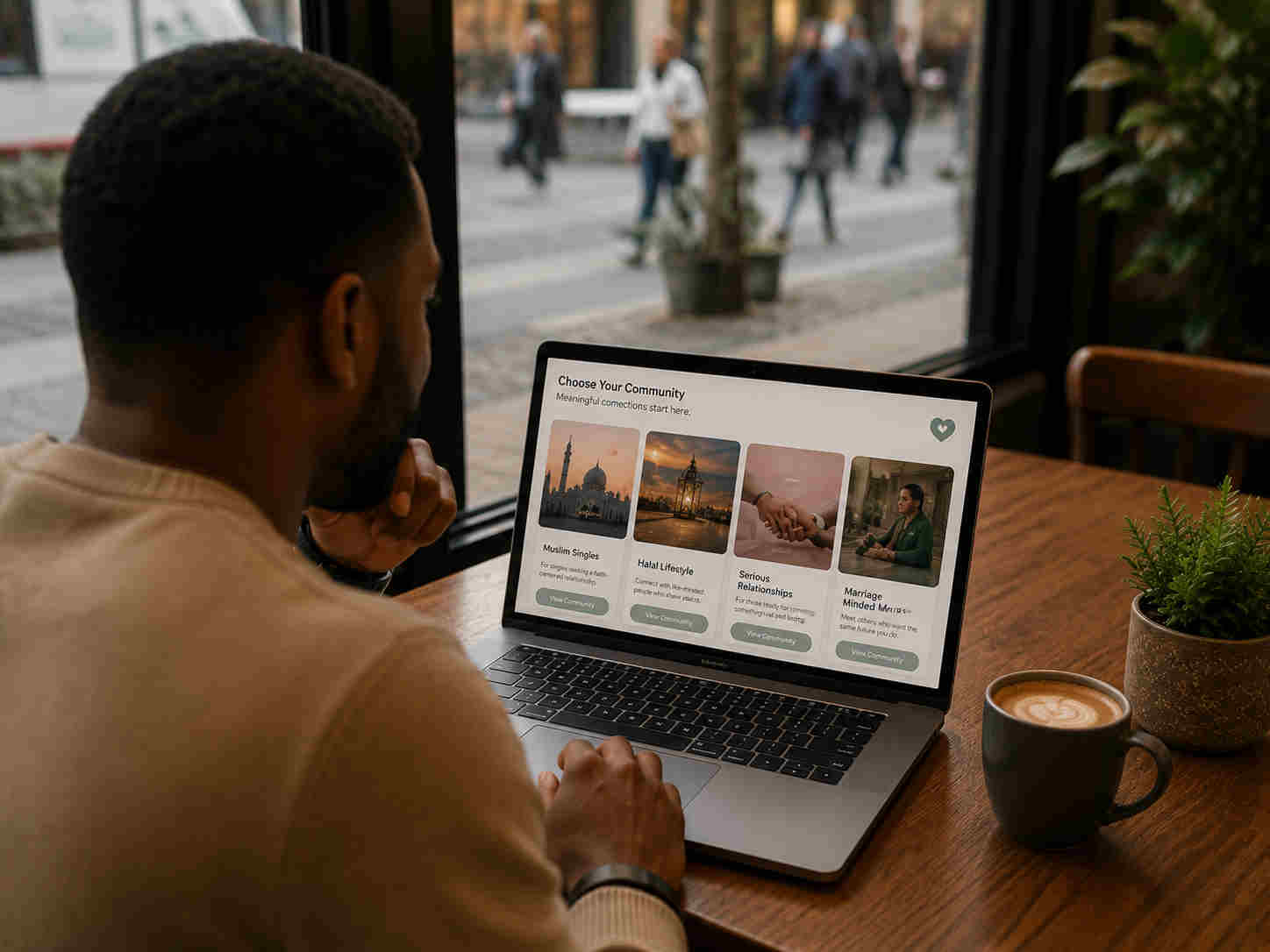
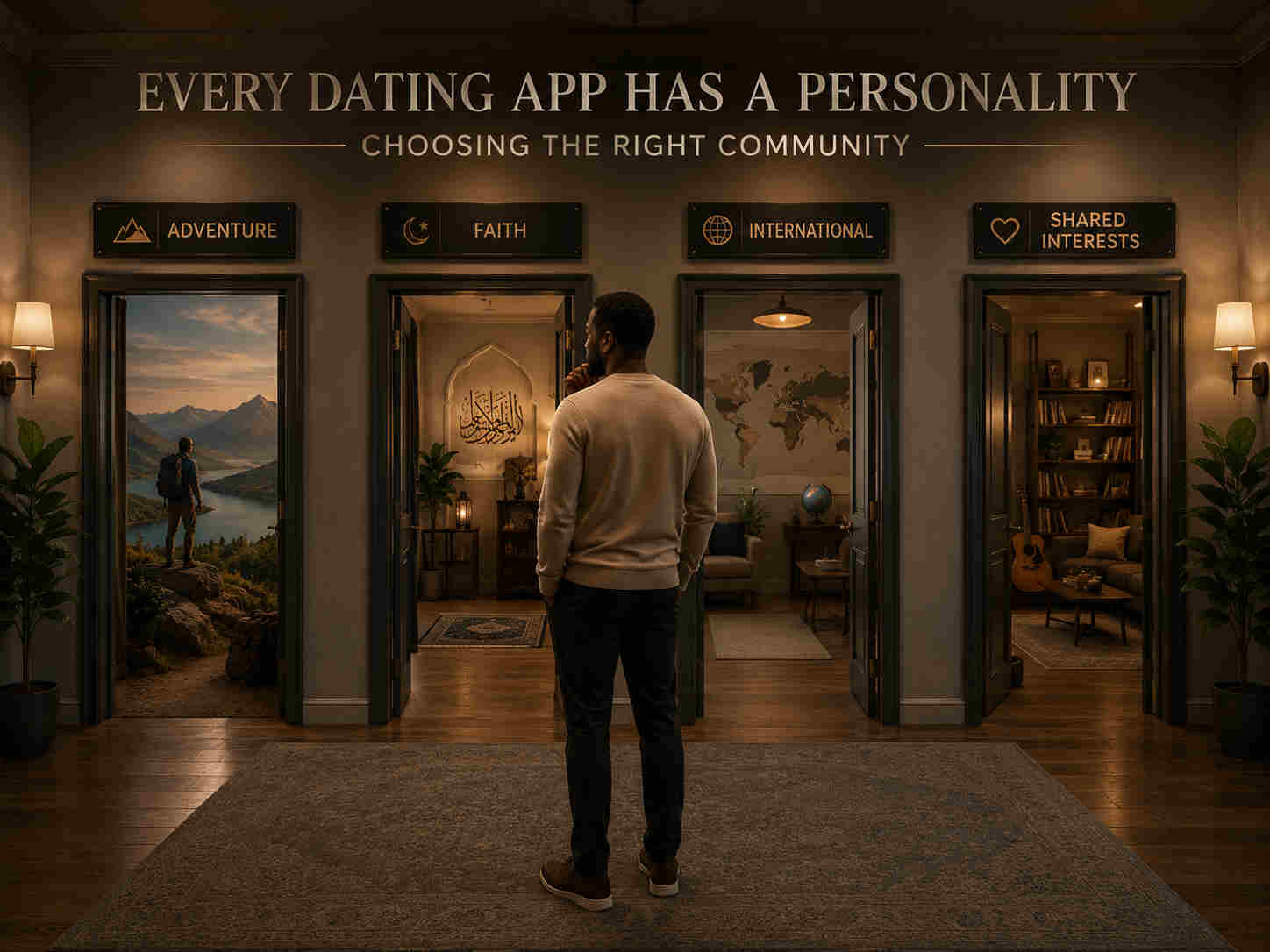
Dating apps are not just software. They are communities. Every dating app develops a personality. One app can feel like a loud nightclub. Another feels like a coffee shop. Another feels like a church gathering. Another feels like an international conference. Another feels like a hobby group where dating is only one part of the connection.
When you join an app, you are not only choosing technology. You are choosing a social environment. That environment shapes how people communicate, how much effort they put into profiles, how quickly they reply, and whether they treat matches as people or as disposable options.
The Endless Swipe Problem
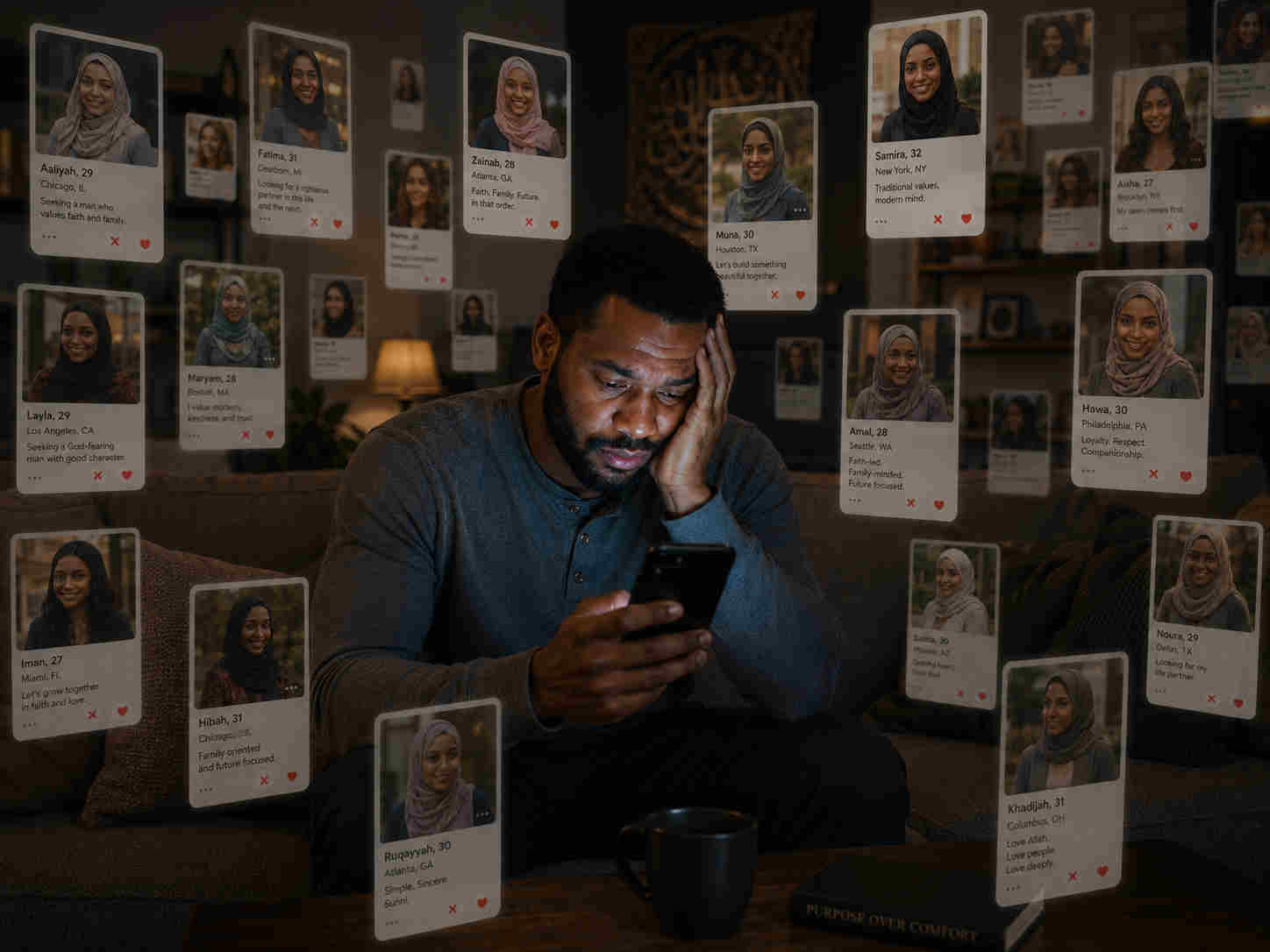
Mainstream dating apps often create what psychologists call choice overload. On the surface, abundance looks positive. More profiles should mean more opportunities. In practice, too many options can make people less decisive, less satisfied, and less willing to invest in one conversation.
A man sees one interesting woman, but then another profile appears. Then another. Then another. Instead of asking, “Could I build something with this person?” he begins asking, “What if someone better is one swipe away?” That question can quietly destroy focus.
After divorce, this can be especially damaging. A divorced man may already be cautious, emotionally tired, or worried about making another mistake. Endless swiping can amplify those feelings. It creates activity without progress. It feels like dating, but often becomes avoidance disguised as options.
Why Smaller Dating Pools Can Produce Better Decisions
Niche dating apps reduce the number of irrelevant possibilities. That is not a weakness. It is often the main benefit. If a man is looking for a traditional Muslim woman, a serious Christian woman, an international relationship, a professional partner, or someone who values a specific lifestyle, he does not need millions of random profiles. He needs a smaller number of profiles that begin closer to his actual values.
A smaller dating pool can make people more thoughtful. Instead of browsing endlessly, users spend more time reading profiles. Instead of judging by photos alone, they pay closer attention to values, habits, intentions, and lifestyle. This is where niche dating apps for serious relationships can become more useful than broad apps with huge memberships.
The point is not to eliminate attraction. Attraction matters. The point is to place attraction inside a better filter. Shared values, similar expectations, and serious intent create a stronger foundation than appearance alone.
The Hidden Economy Behind Dating Apps
Dating apps are businesses, and that matters. Some apps make more money when users stay engaged for months. More subscriptions, more boosts, more premium features, more profile upgrades. This does not mean every large app wants people to fail. It means the business model may reward activity more than successful relationships.
Other platforms, especially smaller relationship-focused dating apps, matchmaking services, and specialized dating communities, often rely more heavily on trust and reputation. If members feel that the community attracts serious people, they recommend it. If they feel it wastes their time, they leave.
That difference changes the emotional tone. A platform designed around constant swiping may encourage speed. A platform designed around values may encourage reading, reflection, and conversation. The best app for a divorced man is not always the one with the most noise. It is often the one with the clearest intention.
Quality Over Quantity
One of the most important shifts in meaningful online dating is moving from many weak conversations to one real conversation. A man does not need twenty shallow matches in one night. He needs one conversation with a woman who is emotionally available, honest about her goals, and willing to communicate consistently.
That sounds simple, but it changes everything. Instead of chasing attention, he begins looking for rhythm. Does she respond thoughtfully? Does she ask questions back? Does the conversation become calmer and clearer over time? Does it lead naturally to a video call?
A good niche dating platform often makes this easier because both people already know why they are there. They are not trying to decode whether the other person wants something serious. The app itself has done some of that filtering.

The Third Conversation Effect
On many large dating apps, the first few conversations are predictable. “How are you?” “What do you do?” “Where are you from?” Then the conversation fades because neither person has a clear reason to continue.
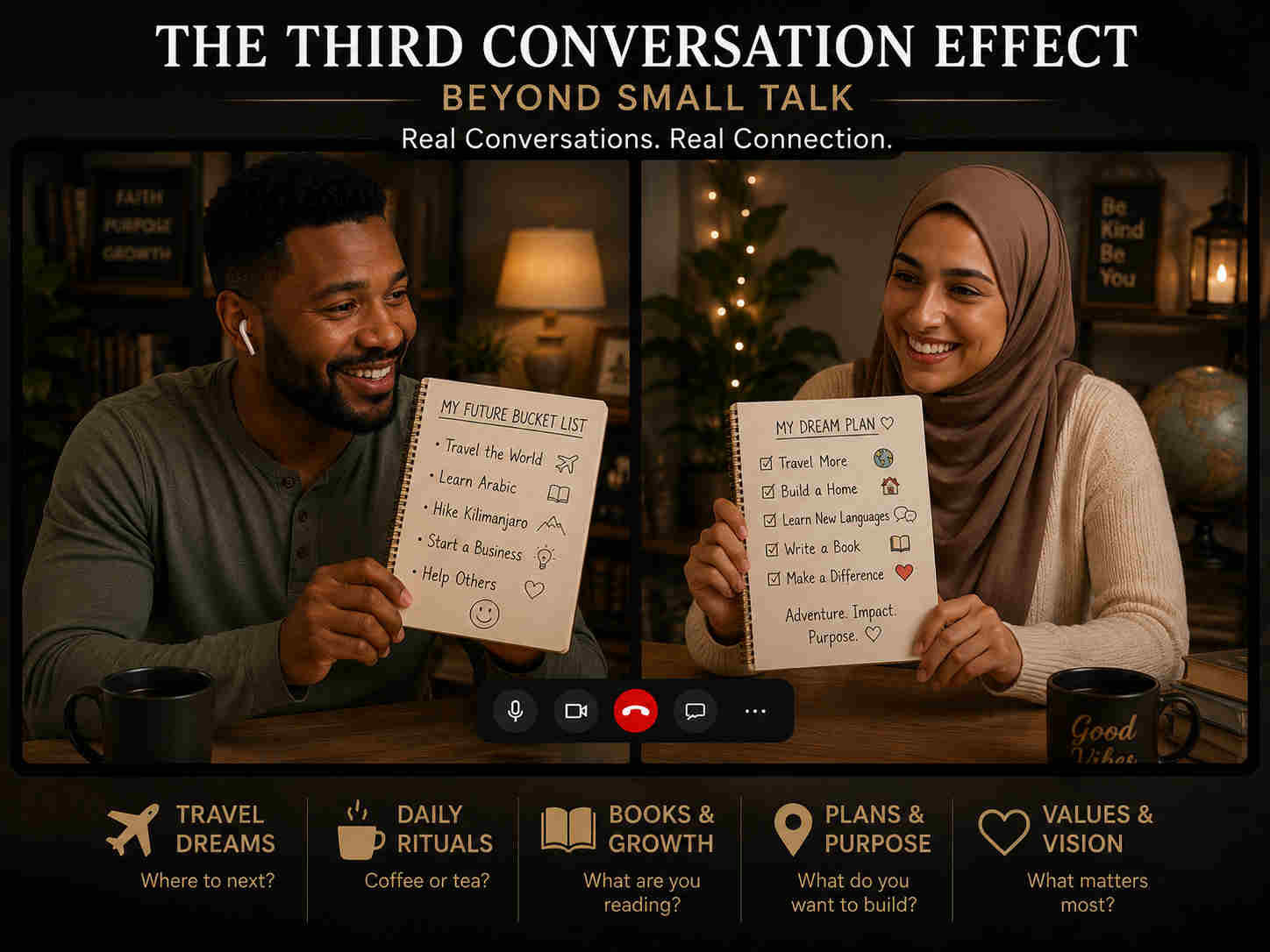
Niche dating apps often create what could be called the third conversation effect. Because members share a faith, lifestyle, culture, goal, or serious relationship intention, they often reach deeper conversation faster. By the third meaningful exchange, they may already be discussing family values, future travel, religious practice, books, personal growth, or what kind of life they want to build.
This does not mean people should rush. It means the conversation has more substance earlier. For divorced men, that can be refreshing. After divorce, many men are less interested in clever flirting and more interested in knowing whether a woman is kind, consistent, grounded, and serious.
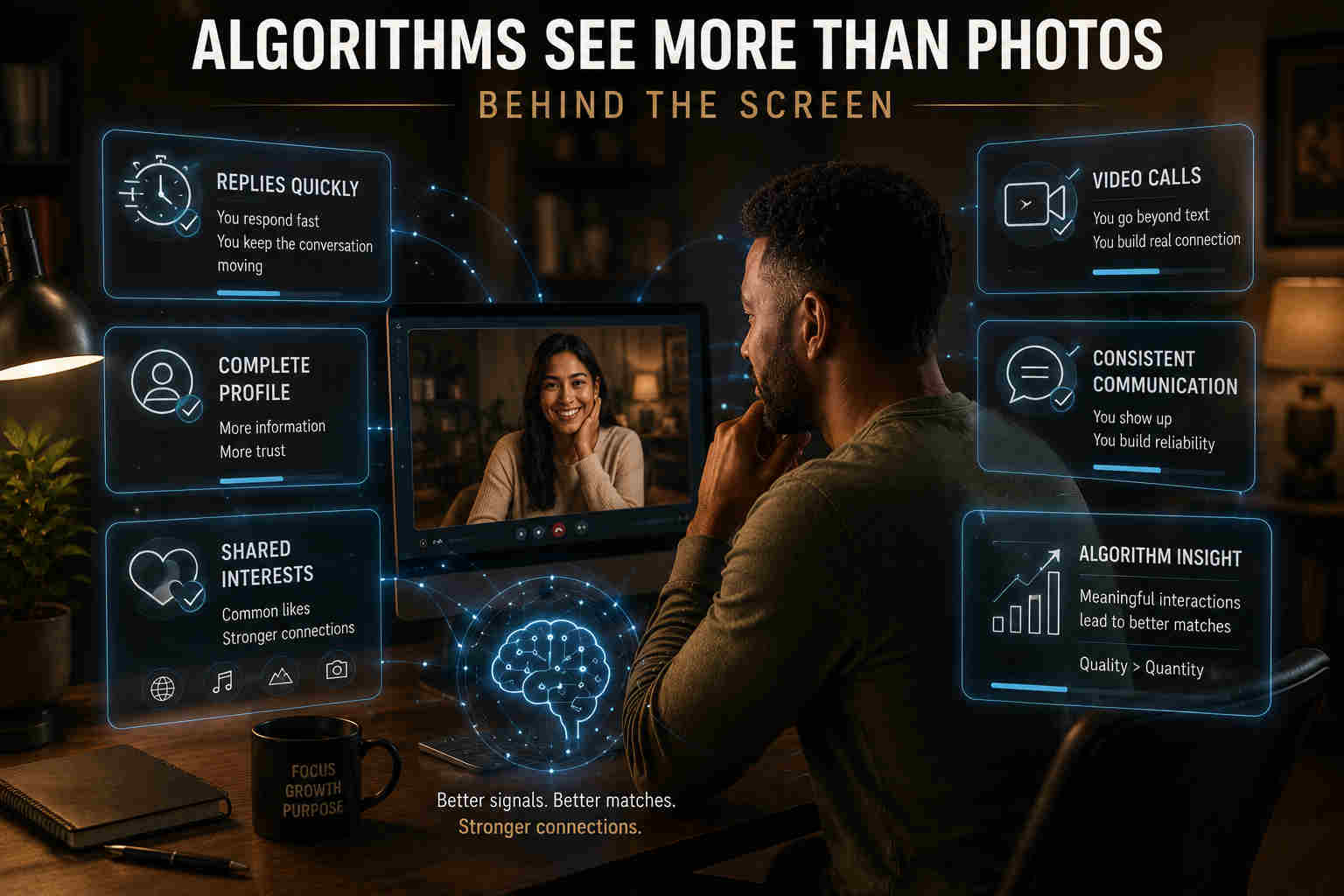
Algorithms See More Than Photos
Many people assume dating algorithms only reward attractive photos. Photos matter, but modern dating platforms can track many other signals. They may notice response rates, profile completeness, conversation length, shared interests, video call behavior, and whether users communicate consistently.
That means your behavior becomes part of your profile. A man who replies thoughtfully, completes his information, avoids lazy one-word messages, and shows steady interest may become more visible to better matches. A man who only swipes, disappears, and returns randomly may train the platform to treat him as low-value activity.
This is one reason dating algorithm psychology matters. The algorithm may not know your heart, but it can observe patterns. In online dating, consistency is not just attractive to women. It may also help the platform understand what kind of user you are.
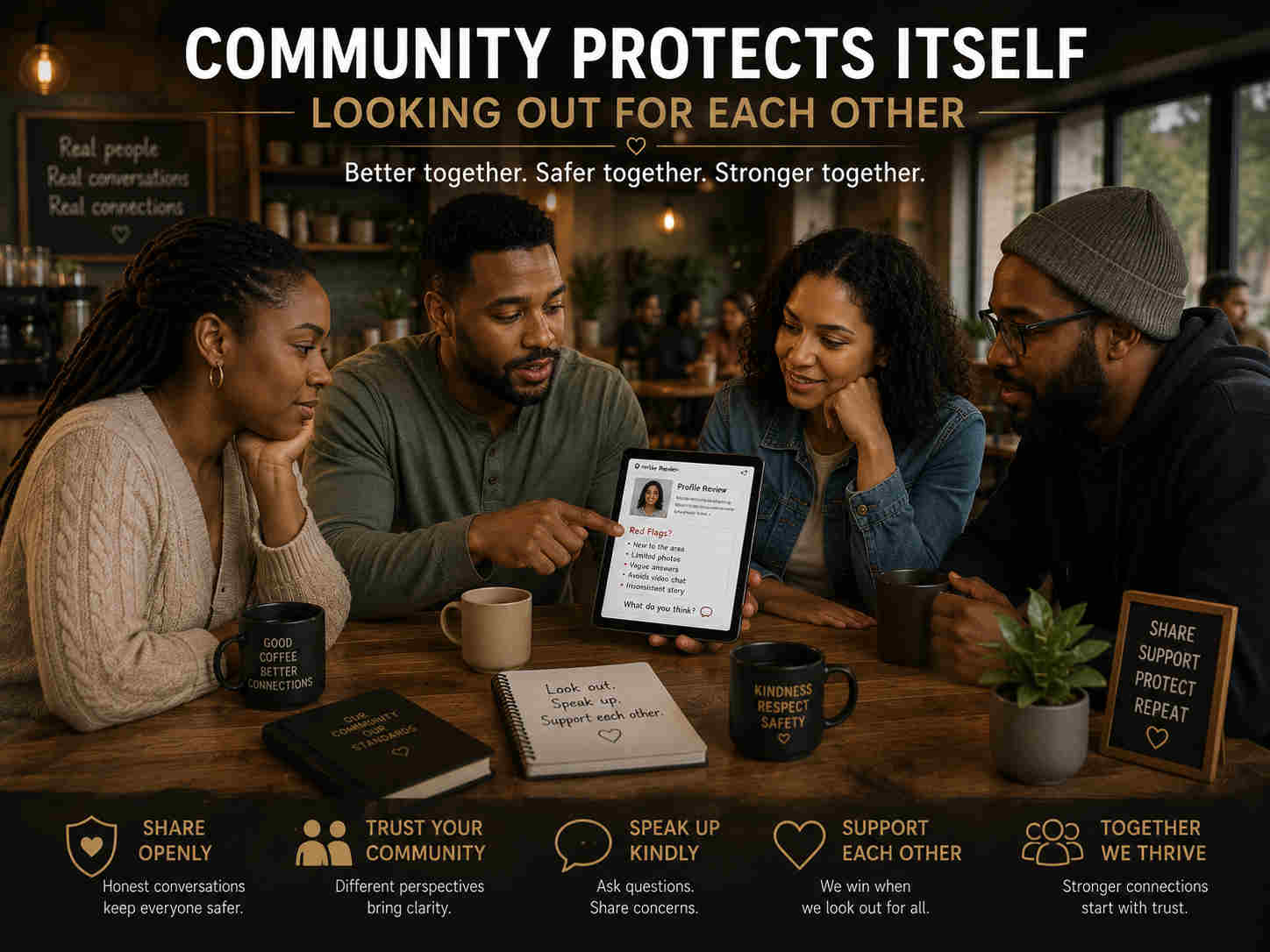
Community Protects Itself
One overlooked advantage of specialized dating communities is that members often begin protecting the space. In smaller communities, fake profiles, inconsistent stories, copied photos, and suspicious behavior may stand out faster. Members talk. They notice patterns. They warn each other politely. The community becomes a filter that technology alone cannot provide.
This does not mean niche dating apps are automatically safe. Romance scams, catfishing, emotional manipulation, and fake profiles can appear anywhere. But a smaller, values-based community may make it harder for bad behavior to hide forever.
For divorced men, this matters because emotional vulnerability can be high. After a painful marriage, a man may want to believe someone is sincere. A healthy community can provide perspective. Friends, mentors, and other members can help him slow down, ask better questions, and avoid making decisions in isolation.
The Geography Nobody Talks About
People often ask, “What is the best niche dating app?” A better question is, “Where is this app strongest?” Some platforms are excellent in certain cities, countries, faith communities, or cultural circles but weak elsewhere.
A dating app may be average nationwide but excellent in Atlanta, Dallas, London, Dubai, Kuala Lumpur, Istanbul, Lagos, or Chicago. An international dating platform may be stronger in one region than another. A Muslim dating platform may have a deeper user base in one metro area and very few active members in another.
Membership totals can be misleading. A smaller app with a concentrated community can outperform a giant app with scattered users. When choosing best niche dating apps, pay attention to activity where you actually plan to date.
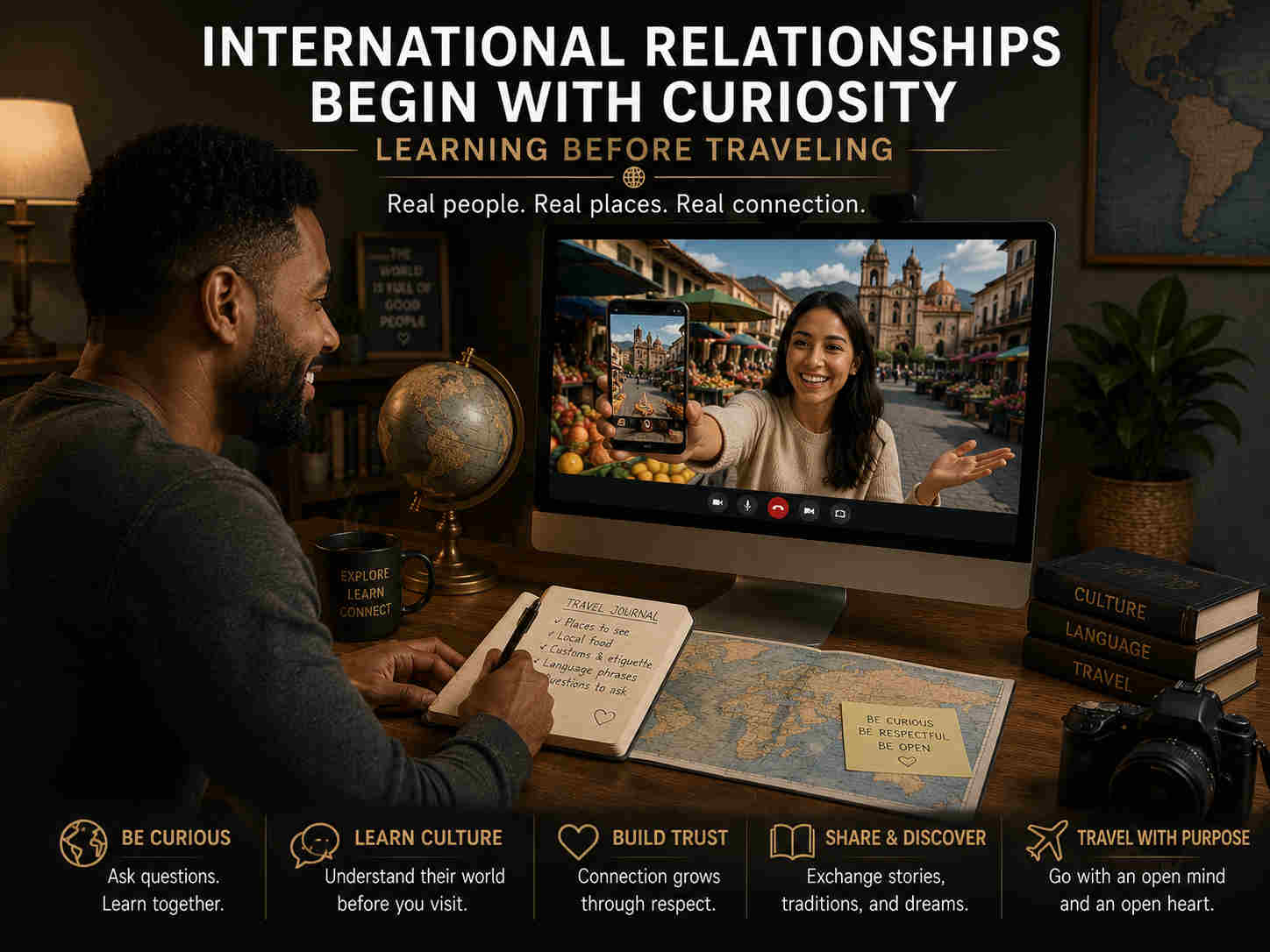
International Relationships Begin With Curiosity
International dating is one of the most misunderstood niches. Some men think it is only about geography. It is really about culture. A woman from another country may have different expectations about family, modesty, communication, gender roles, religion, holidays, money, and long-term planning.
Healthy international dating begins with curiosity before travel. Ask about her city, daily life, family customs, food, language, and what relationships mean in her culture. Do not treat another country as a fantasy. Treat it as a real place where real people live complicated, ordinary, meaningful lives.
This is especially important for men dating after divorce. International dating should not be an escape from emotional work. It should be a deliberate choice to learn, respect, and build something real with someone whose background differs from yours.
The Invisible Competition
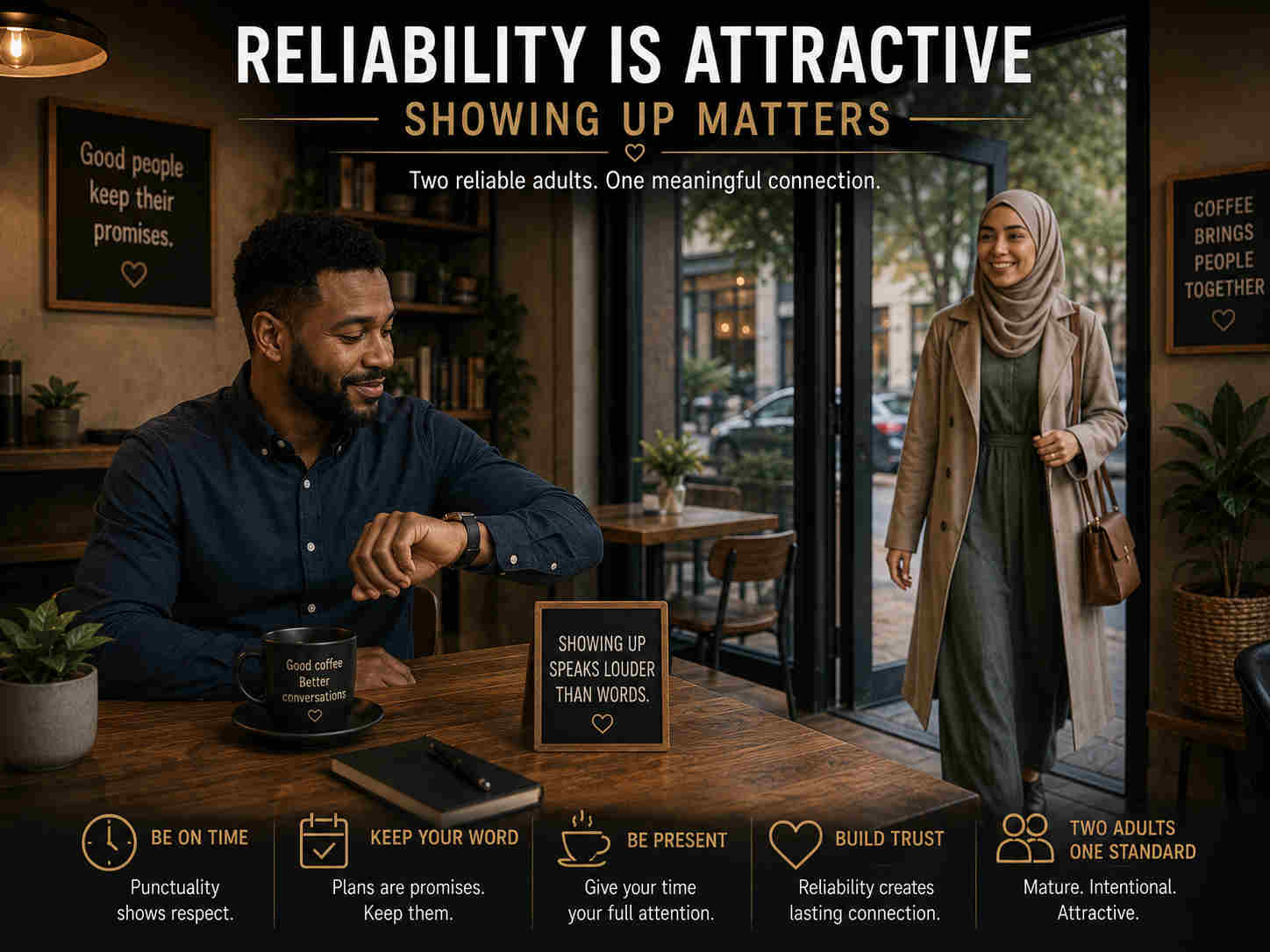
Many divorced men believe they are competing against every other man on an app. Usually, they are not. More often, they are competing against inconsistency, poor communication, emotional unavailability, vague intentions, and men who do not follow through.
Reliability is more attractive than many men realize. Showing up on time, replying with care, keeping plans, being honest about intentions, and communicating calmly can separate a man from a large percentage of the dating pool.
This is one reason relationship-focused dating apps can work well for serious men. When a woman is tired of casual behavior, consistency feels rare. A man does not have to be perfect. He has to be real, steady, and respectful.
The Hidden Red Flag Of Being Too Perfect
One strange red flag in online dating is a profile that feels too perfect. Perfect photos, perfect compliments, perfect agreement, perfect timing, and perfect emotional intensity can be a warning sign. Real people have edges. Real conversations contain small disagreements, delays, and ordinary imperfections.
On niche dating apps, this matters because shared values can create false confidence. Just because someone shares your faith, culture, or relationship goal does not mean they are automatically trustworthy. Compatibility still has to be tested through time, conversation, video calls, real-world meetings, and consistent behavior.
A serious dating app can create a better starting point. It cannot replace discernment.
Your Profile Is A Filter, Not An Advertisement
Many men write dating profiles as if they are trying to impress everyone. That is the wrong goal. A good profile should attract the right woman and quietly discourage the wrong one.
If faith matters, say so clearly. If you want marriage, do not hide it. If family matters, describe it. If you are dating after divorce, you do not need to tell the entire painful story, but you can communicate that you are emotionally ready for a healthier chapter.
The most effective profiles are not loud. They are specific. They show values in action. Instead of saying, “I am serious,” show what seriousness looks like in your life: how you spend weekends, what you read, what kind of family life you respect, and how you treat commitments.
Emotional Readiness Still Matters More Than The App
No dating platform can replace emotional readiness. A man can join the best niche dating app in the world and still sabotage every opportunity if he is angry, resentful, suspicious, or constantly comparing new women to his ex-wife.
Dating after divorce requires self-honesty. Are you looking for love, or are you looking for proof that you are still wanted? Are you interested in the woman, or only in how she makes you feel? Are you ready to be consistent, or only ready to be entertained?
Better apps can create better introductions. They cannot do the inner work for you.
Final Thoughts: Building Something Real
The future of online dating is probably not bigger. It is smarter. More people are realizing that millions of random profiles do not automatically create meaningful relationships. Specialized dating communities can help people begin with shared values, clearer expectations, and better conversations.
For divorced men, that shift can be powerful. Instead of returning to dating as a numbers game, you can approach it as a values game. You are not trying to be chosen by everyone. You are trying to recognize the woman whose life, beliefs, goals, and emotional rhythm actually fit yours.
The best niche dating app is not necessarily the one with the most users. It is the one where the woman you hope to meet would feel at home. That might be a faith-based platform, a serious relationship app, an international dating community, a professional network, or a smaller group built around shared lifestyle values.
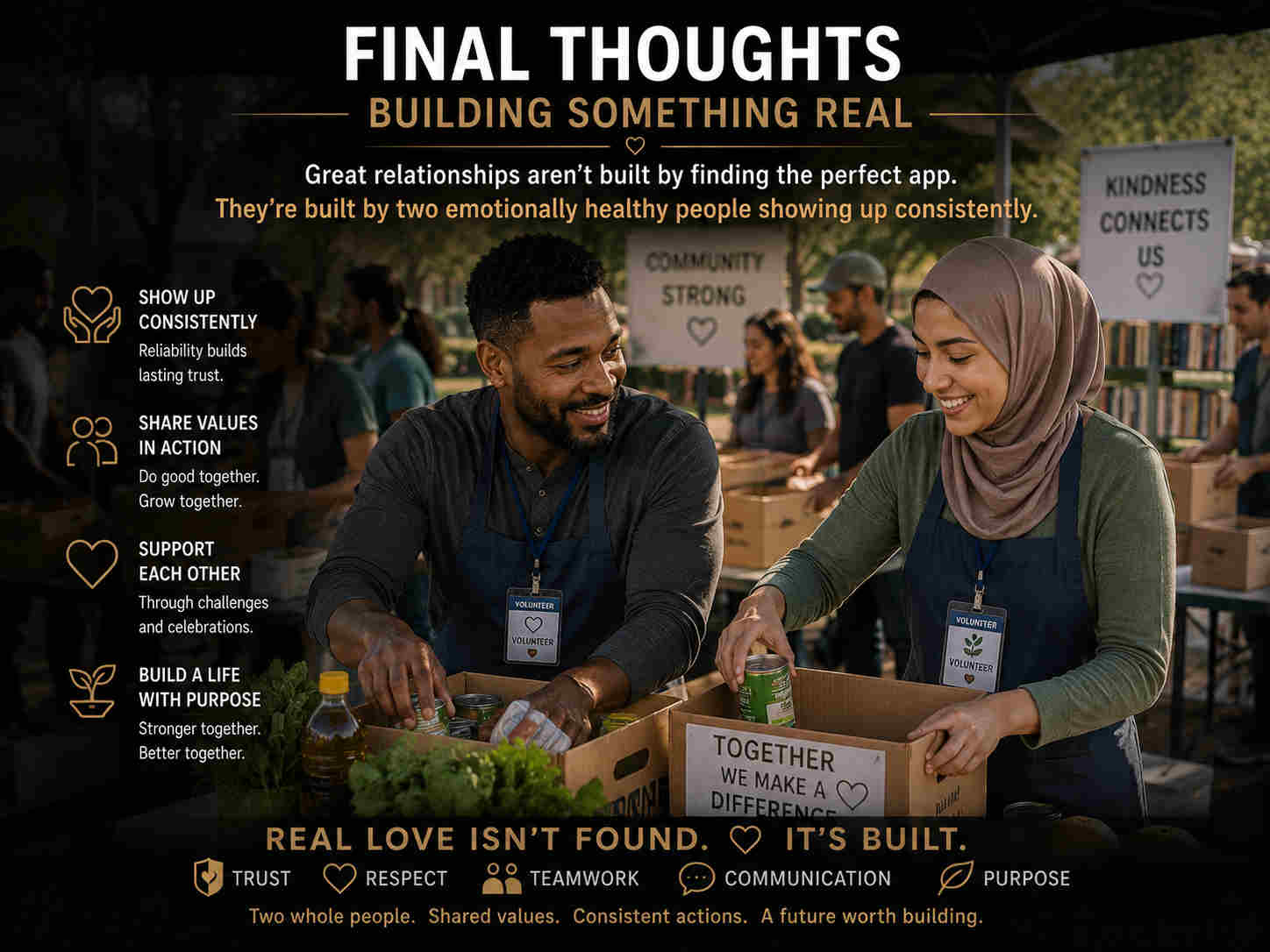
Ultimately, apps do not create love. They create introductions. What happens next depends on who you are, how clearly you communicate, how honestly you listen, and whether both people are willing to show up beyond the screen.
If you are dating after divorce, niche dating apps may help you leave the endless swipe cycle behind. They can give you a better room to walk into. But the real relationship begins when two people stop performing, start listening, and begin building something steady enough to last.