
A Different Kind Of Progress
Being Ready To Move Forward Is Different From Wanting The Pain To Stop
There is a point after divorce when a man says he is ready to move forward because he is exhausted. He is tired of thinking about his ex-wife, tired of explaining what happened, tired of the quiet house, and tired of feeling as though every normal day has a divorce-shaped shadow over it.
That exhaustion is understandable, but it is not the same thing as being ready to move forward. Wanting pain to stop is about escaping something. Moving forward is about becoming interested in what comes next.
The difference can be surprisingly small. You buy paint because you want the room to look better, not because you need a symbolic “fresh start.” You accept an invitation because the evening sounds enjoyable, not because you are forcing yourself to socialize. You make a decision without imagining how your ex would react to it. These are quiet signs that your attention is returning to your own life.

You Stop Using Your Ex As The Scoreboard
One of the strangest habits after divorce is continuing to measure yourself against someone who is no longer sharing your life. You wonder whether she is happier, whether she is dating, whether she regrets leaving, or whether your progress would impress her. Even success can become another message you are trying to send.
Real confidence begins when the scoreboard disappears. You lose weight because you feel better. You improve your finances because security matters. You learn something difficult because you enjoy becoming competent. You do not need your ex to hear about it for the accomplishment to count.
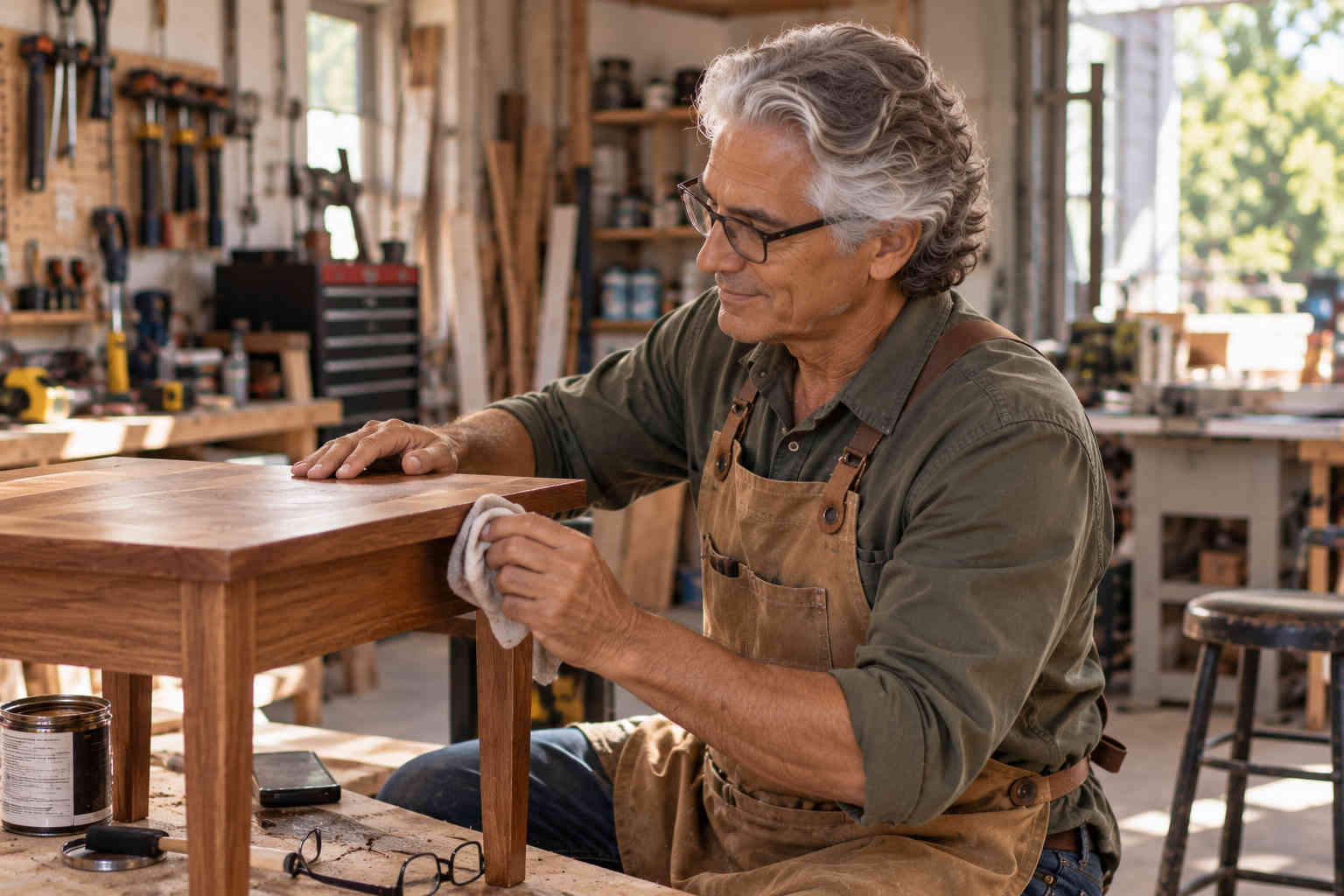
Your Divorce Becomes Something That Happened, Not Who You Are
For a while, divorce can become your primary biography. New people ask how you are doing and the answer somehow circles back to the marriage. Your weekends, finances, friendships, home, and future all seem connected to what ended.
Then something changes. You have a conversation with a stranger and never mention divorce. You laugh with somebody who knows nothing about your former marriage. You realize that for an entire afternoon you were simply a customer, neighbor, friend, father, coworker, traveler, or guy buying bread.

You Can Remember The Marriage Without Putting It On Trial
Early after divorce, memories often become evidence. A good memory can make you question why the marriage ended. A bad one can restart the prosecution. You replay conversations, reinterpret vacations, and mentally call witnesses who will never appear.
Moving forward does not require declaring the entire marriage good or bad. Some memories can remain valuable even if the relationship could not continue. Other memories can remain painful without requiring another night of analysis.
You know you are gaining distance when you can put an old photograph away without needing to destroy it, display it, decode it, or use it to decide how you should feel today.

Your Empty Calendar Starts Looking Different
Empty time can feel brutal after divorce. A Saturday with no plans once meant freedom; suddenly it can feel like proof that the life you knew is gone. Men often respond by overbooking themselves or staying home because they cannot think of anything worth doing alone.
Eventually the same blank Saturday begins to look like usable space. You can take the bicycle somewhere new, drive to a town you have never explored, see a movie, work on the house, visit a friend, or do absolutely nothing without treating the day as a failure.

You Start Trusting Your Own Decisions Again
Divorce can damage confidence in a specific way: it makes you question your judgment. If you were wrong about the marriage, what else are you wrong about? That question can spread into work, money, friendships, dating, and ordinary choices.
Trust does not return because you suddenly become certain. It returns because you make decisions, live with them, adjust when necessary, and discover that being wrong is survivable.
You can choose a direction without knowing every turn. Confidence is not believing you will never make another mistake. It is knowing that a mistake will not destroy you.

Your Home Begins To Look Like Your Home
After a marriage ends, a house can feel like a museum of a life that no longer exists. Some men leave everything untouched because changing it feels disloyal. Others replace everything immediately because they cannot stand the reminders.
A healthier stage is less dramatic. You gradually arrange the home around the life you actually live now. You move a chair because the room works better that way. You choose colors you like. You turn an unused space into a workshop, reading corner, exercise area, or guest room. The goal is not to erase her fingerprints. It is to stop living as a temporary occupant in your own home.
You Become Interested In Things That Have Nothing To Do With Recovery
Recovery can become a full-time identity. You read about divorce, listen to podcasts about relationships, analyze attachment styles, work on confidence, and track whether you are “healed yet.” All of that can help—until recovery itself becomes another room you never leave.
A major sign that you are ready to move forward is simple curiosity. You want to learn pottery, restore a motorcycle, study a language, photograph birds, play pickleball, cook Thai food, or understand something that has no therapeutic purpose whatsoever.

You Don't Need To Have Everything Figured Out
Men sometimes delay moving forward because they think the next chapter needs a master plan. Where will I live? Will I marry again? What will retirement look like? What should I do with the next ten years?
You do not need those answers before you begin. A useful future can be built from smaller commitments: take care of your body, become financially steadier, maintain important relationships, learn to enjoy your own company, and keep making decisions that increase your options.
Forward is a direction, not a complete itinerary.
Don't Confuse Moving Forward With Dating Again
Dating can be part of life after divorce, but it is a poor measuring stick for whether you have moved forward. A man can create a dating profile while still emotionally organizing his life around his ex. Another man can remain single for a long time while building a strong, engaged, satisfying life.
The better question is whether you can imagine a future that is worthwhile even before you know who might eventually share it. A relationship should add to a life that already has structure and meaning; it should not be assigned the job of proving that you recovered.
Ask Yourself A Better Question About The Future
“Will I ever be happy again?” is understandable, but it is almost impossible to answer. Happiness changes by the hour. Try a more useful question: What would make my life more interesting, capable, connected, and useful six months from now?
That question produces actions. You can become stronger. You can reconnect with an old friend. You can improve a room, learn a skill, plan a trip, reduce debt, volunteer, repair something, or become better at your work. The future stops being a verdict you are waiting to receive and becomes something you can influence.
Create Something Your Future Self Will Inherit
One way to know you are moving forward is to begin doing things that will not pay off immediately. Plant a tree. Start investing automatically. Build a bookshelf. Learn a language. Establish a workout routine. Create a tradition with your children. Take a class that will take months to finish.
These actions matter because they assume there is a future version of you worth preparing for. You are no longer merely surviving this week. You are leaving something useful for the man you will be next year.

Pick One Thing That Has Nothing To Do With Your Divorce
If you are unsure whether you are ready to move forward, do not wait for a feeling. Choose one project that has no connection to your ex, the marriage, dating, healing, or proving yourself.
Make it concrete enough to finish. Take a six-week class. Train for a local 5K. Build something. Plan a weekend trip. Learn ten recipes. Redesign the backyard. Join a recreational league. The project gives your attention somewhere new to go and creates evidence that your identity is expanding.
The goal is not distraction. Distraction helps you avoid your life. A new project helps you build one.
The Day You Realize You've Already Moved Forward
The final stage may not feel like a stage at all. There may be no morning when you wake up and announce that you are officially over the divorce. More often, you notice it backward.
You are cooking dinner while laughing with a friend on the phone. You are thinking about a project at work, where you might ride your bike Saturday, or whether the tomatoes need another few minutes. Then it occurs to you that you have not thought about your ex all evening.
That does not mean you will never think about her again. It means the thought no longer owns the room.

Ready To Move Forward Does Not Mean Finished
Being ready to move forward after divorce does not mean every wound is healed, every question is answered, or every memory has lost its emotional charge. It means the past is no longer entitled to make every decision about the future.
You can still have a difficult anniversary and be moving forward. You can miss parts of your old life and be moving forward. You can feel uncertain about dating, money, your children, or the years ahead and still be moving forward.
The evidence is in what receives your attention. More of it is going toward what you can build than toward what you cannot change. More decisions are being made according to who you are becoming than according to what happened to you.
Eventually you stop asking, “Am I ready?” because the question has become unnecessary. You have plans that belong to you. You have ordinary problems that are not divorce problems. You have people to call, places to go, things to learn, and work worth finishing.
You are not standing at the starting line anymore.
You’re already moving.
The Forward Test
Look At What Your Attention Is Building
You do not need to erase the past before creating a future. When your choices increasingly serve the life in front of you rather than the marriage behind you, moving forward has already begun.