
Serious Relationships for Men
Being Ready to Date Is Not the Same as Being Ready to Commit
Knowing when you're ready for a serious relationship after divorce is less about how much time has passed and more about how you approach yourself, your past and the person you hope to share your future with.
Dating again can be exciting. After the loneliness and uncertainty of divorce, meeting someone who enjoys your company may feel like the beginning of an entirely new chapter. But attraction and companionship are not necessarily evidence that you are prepared for long-term commitment.
There is no universal timetable for finding love after divorce. Some men need considerable time to recover; others have already spent years processing the end of their marriage. The following ten signs can help you evaluate your readiness without relying on an arbitrary deadline.
1. You've Made Peace With Your Divorce
Making peace with your divorce does not mean agreeing with everything that happened. You may still believe you were treated unfairly, and certain memories may always be painful. The difference is that those experiences no longer determine how you approach every new day.
Notice how often your former marriage enters conversations. Can you explain what happened without spending the next hour describing your ex-wife's shortcomings? Can you hear about her life without feeling compelled to compete with it? These are useful indications that the past is losing its grip.
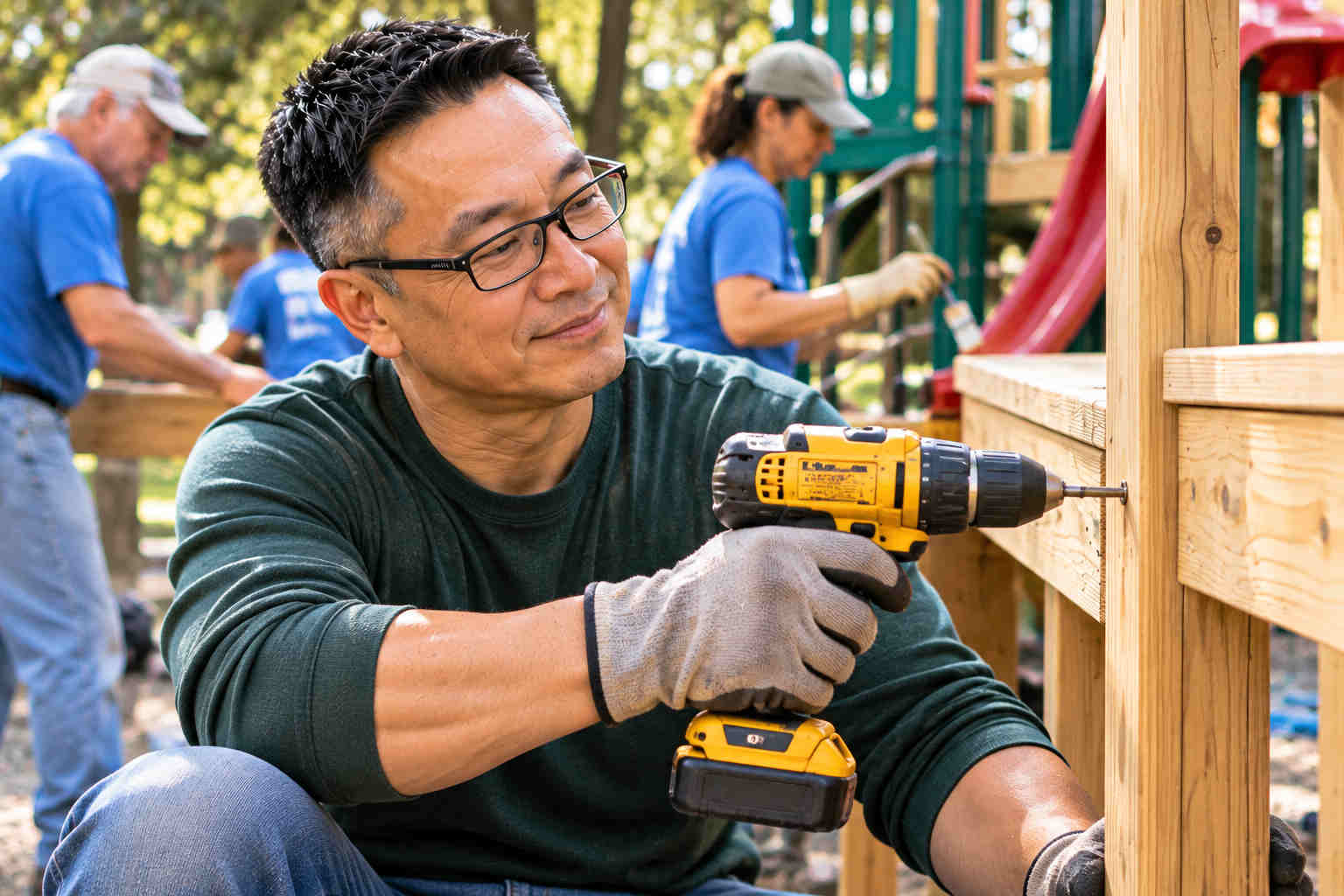
A man who has made peace with his divorce begins investing in things that matter to him now: friendships, community projects, family and personal interests. He is not building a new life simply to prove a point to someone who left.
You do not need to erase your history to love again. You need enough emotional distance to allow a new woman to be judged on her own actions rather than on what happened in your marriage.
2. You're Comfortable Being Alone
There is a difference between enjoying companionship and needing another person to make your life feel tolerable. After years of marriage, an empty house can be unsettling. It is tempting to treat a new relationship as the quickest solution.
Being comfortable alone means you can plan a weekend, enjoy a meal, visit an aquarium or pursue an interest without feeling that the experience is wasted because nobody is beside you. You can miss companionship without panicking about its absence.
Consider what happens when a woman you are dating is busy. Do you enjoy your own plans, or do you interpret her independence as rejection? A healthy relationship needs room for two people to have separate lives.
When you can enjoy your own company, you are less likely to overlook incompatibility simply to avoid loneliness. You can choose a partner because you genuinely enjoy who she is, not because you need someone to fill an empty space.

3. You're Not Looking to Replace Your Ex-Wife
A new relationship is not an opportunity to recreate your marriage with a different woman. Nor does it require finding someone who is the exact opposite of your ex-wife. Both approaches allow your former spouse to define your future.
Pay attention to whether you compare a new woman's appearance, interests, habits or personality with those of your ex. Some comparisons are natural, but they become a problem when they prevent you from appreciating her individuality.
Perhaps your former wife disliked a hobby you loved. A woman who shares that hobby may seem especially appealing, but that alone does not establish compatibility. Equally, someone who shares a harmless characteristic with your ex is not destined to behave like her.
Readiness means approaching a new person with curiosity. Ask what makes her laugh, what she values and how she sees her future. Give yourself permission to discover a relationship that looks different from anything you have experienced before.

4. You Understand Your Own Role in Your Divorce
Not every divorce involves equal responsibility. Some marriages end because of betrayal, abuse or choices that one spouse could not control. Taking responsibility for your own behavior does not mean accepting blame for someone else's actions.
It does mean being willing to examine your habits. Did you avoid difficult conversations? Did you become defensive when criticized? Did you ignore problems because addressing them seemed uncomfortable? Perhaps you tolerated behavior that you should have challenged earlier.
The important question is not simply what went wrong, but what you would do differently today. Identifying a pattern is useful only when it leads to a change in behavior. Practice listening, expressing needs and addressing problems before resentment accumulates.
A man who can acknowledge his mistakes without collapsing into shame is better prepared for a serious relationship. He understands that being a good partner involves continuing to learn rather than assuming that finding the right woman will solve every problem.

5. You Know What You Want in a Long-Term Partner
Physical attraction matters, but it cannot answer the questions that determine whether two people can build a life together. After divorce, you have an opportunity to think more deliberately about what compatibility means to you.
Consider values, communication, financial habits, family responsibilities, lifestyle and expectations about commitment. Do you want to travel frequently or prefer a quiet home life? How important are shared interests? What does a reasonable balance of independence and togetherness look like?
Separate genuine requirements from preferences. A partner who treats you respectfully is a requirement; a partner who enjoys every hobby you enjoy is probably not. An inflexible checklist can be just as limiting as having no standards at all.
Knowing what you want also means knowing what you can offer. If you expect honesty, affection and reliability, consider whether you consistently provide those qualities yourself. Serious dating after divorce becomes more purposeful when you evaluate mutual compatibility rather than simply chasing chemistry.

6. You're Emotionally Available and Willing to Be Vulnerable
You can enjoy dating, physical intimacy and companionship while remaining emotionally unavailable. You may keep conversations superficial, avoid discussing feelings or withdraw whenever a relationship begins to matter.
Vulnerability does not mean revealing every painful experience on the first date. It means gradually allowing someone to know you, including your hopes, concerns and imperfections, as trust develops.
For many men, this requires learning to express feelings without turning them into accusations. Saying that you felt uncertain when plans changed is different from accusing your partner of not caring. One invites conversation; the other invites a defense.
Emotional readiness after divorce includes the willingness to receive affection as well as offer it. You can let someone support you without expecting her to repair your past. You can discuss a fear without demanding a guarantee that you will never be hurt again.

7. You Can Trust Someone Without Ignoring Warning Signs
Divorce can leave you suspicious of promises that once seemed reassuring. You may fear that trusting again will expose you to the same disappointment. Yet a lasting relationship cannot grow if every ordinary uncertainty becomes evidence of betrayal.
Healthy trust develops gradually. Notice whether a woman's actions match her words, whether she respects your boundaries and whether she takes responsibility when something goes wrong. Consistency over time is more informative than an impressive declaration of affection.
At the same time, trusting someone does not require ignoring dishonesty, controlling behavior or repeated disrespect. You can remain open to love while taking warning signs seriously. You can ask questions without conducting an investigation into every detail of her life.
Think of trust as mutual responsibility rather than blind faith. Both people contribute to a relationship in which promises are meaningful and concerns can be discussed. You are ready when you can give a new partner a fair chance without abandoning your judgment.

8. You're Ready to Make Room for Someone in Your Life
After divorce, you may have spent considerable time rebuilding routines that belong entirely to you. That independence is valuable. A serious relationship, however, requires some willingness to adjust those routines to accommodate another person.
Making room means more than finding an evening for a date. It means considering another person's schedule, preferences and needs when making decisions that affect both of you. It means offering attention even when life is busy.
This does not require abandoning friendships, hobbies or time with your children. A healthy partnership should complement the life you have built rather than dismantle it. Discuss how much time together feels right and protect important individual responsibilities.
Ask yourself whether you want the benefits of a relationship without any of its obligations. If you are willing to make thoughtful adjustments and enjoy ordinary moments together, you may be ready for a deeper form of companionship.

9. You Can Handle Disagreements Without Repeating Old Patterns
Every serious relationship eventually encounters disagreement. The question is not whether you will argue, but how you will respond when your preferences conflict or someone disappoints you.
If conflict in your marriage often involved shouting, silence, sarcasm or personal attacks, notice whether those habits still appear under stress. You may also find yourself reacting to a new partner as though she were about to repeat your ex-wife's behavior.
Practice addressing the actual issue. If you need time to calm down, say so and agree to return to the conversation. Listen to understand rather than collecting evidence for your own position. A sincere apology and a practical change are more useful than a victory.
Healthy disagreement allows both people to retain their dignity. You do not have to agree on everything, but you should be able to work through differences without fear, manipulation or contempt. This is one of the most important signs that you are ready for a relationship.
10. You're Thinking About Building a Future
When you first begin dating after divorce, you may focus on enjoying the present. Eventually, you might find yourself wondering whether a particular woman could become part of your life for years rather than weeks.
Thinking about the future does not mean rushing into marriage, buying a house together or combining finances. It means being willing to discuss the direction of the relationship honestly. You can explore expectations about living arrangements, family, retirement, money and commitment without making premature promises.
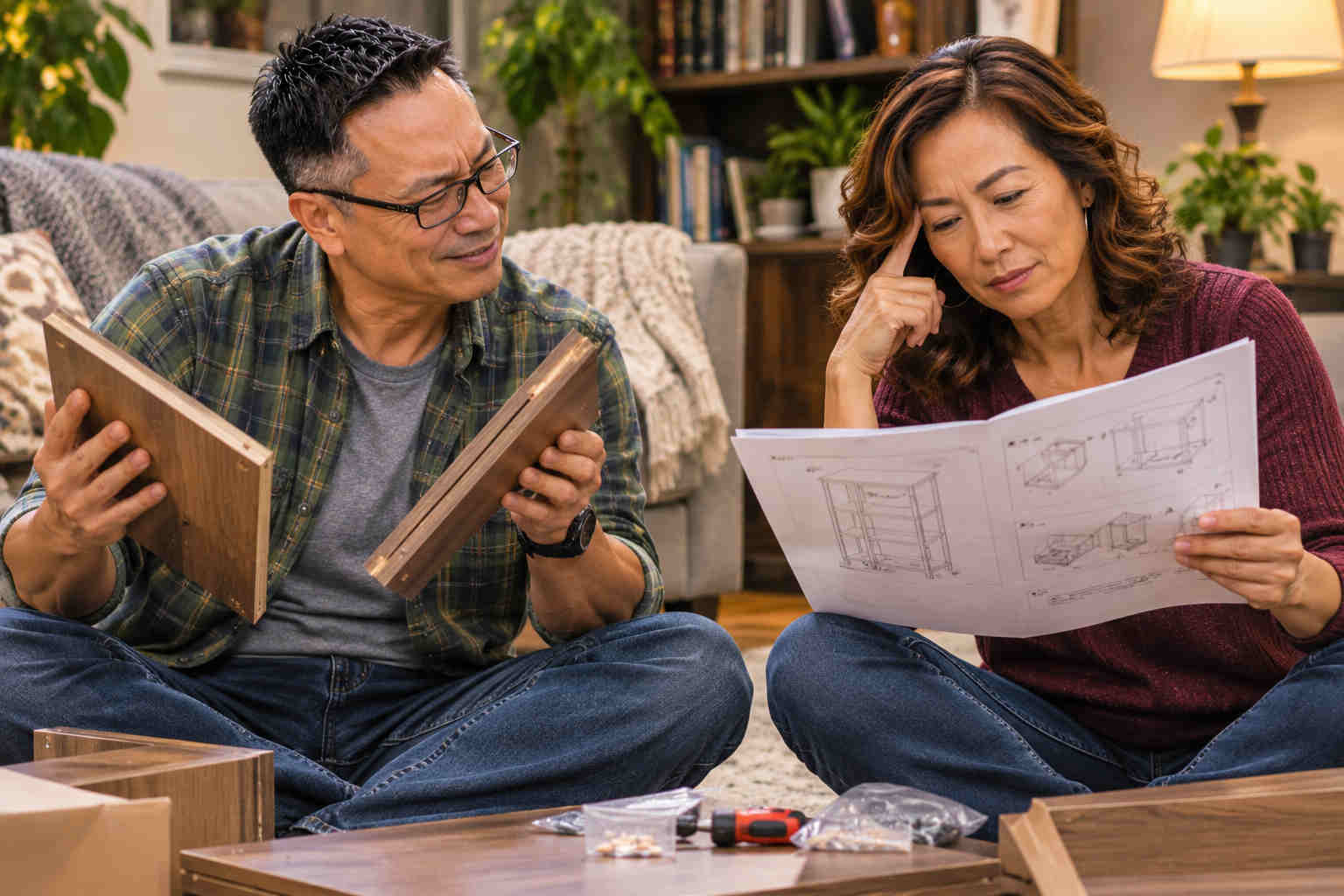
Pay attention to whether your plans are compatible in practice. Two people may care deeply about each other while wanting fundamentally different futures. Discussing those differences early can prevent unnecessary disappointment later.
Commitment after divorce is strongest when it grows from mutual knowledge and deliberate choice. You are not simply searching for the excitement of falling in love. You are considering whether the two of you can build something that remains meaningful after the initial excitement settles.

What If You're Not Ready Yet?
You do not need to meet every sign perfectly. Identify the areas where you still struggle and give yourself time to work on them. Be honest with anyone you date about the level of commitment you can offer.
Maintain your friendships and interests, practice communicating your needs, and consider professional counseling if unresolved pain repeatedly interferes with new connections. There is no benefit in forcing a relationship to progress faster than either person is comfortable with.
Remember This
A Serious Relationship Should Be a Choice, Not a Rescue
The goal is not to find someone who will make you forget your divorce. It is to build a relationship in which both people can be themselves, trust each other and look forward to a shared future. When you can offer that kind of partnership without losing the life you have rebuilt, you are moving toward genuine readiness.