Your Next Chapter
Build A Travel List That Belongs To The Life You Have Now
Divorce changes more than your relationship status. It can change where you live, how you spend weekends, who you travel with, and even the way you picture the years ahead. Plans that once belonged to a couple may no longer fit the life you are building now.
That can feel like a loss, but it also gives you something most people rarely receive: permission to redesign the map.
Creating a travel bucket list is not about copying a list of famous destinations or collecting passport stamps so you can say you have been somewhere. A meaningful list should give you something to anticipate, something to save for, and something that pulls you toward a bigger version of your life.
For a man rebuilding after divorce, travel can become evidence that life did not end when the marriage did. You can still be surprised. You can still learn. You can still step into a place where nobody knows your history and discover that you are more capable than you thought.
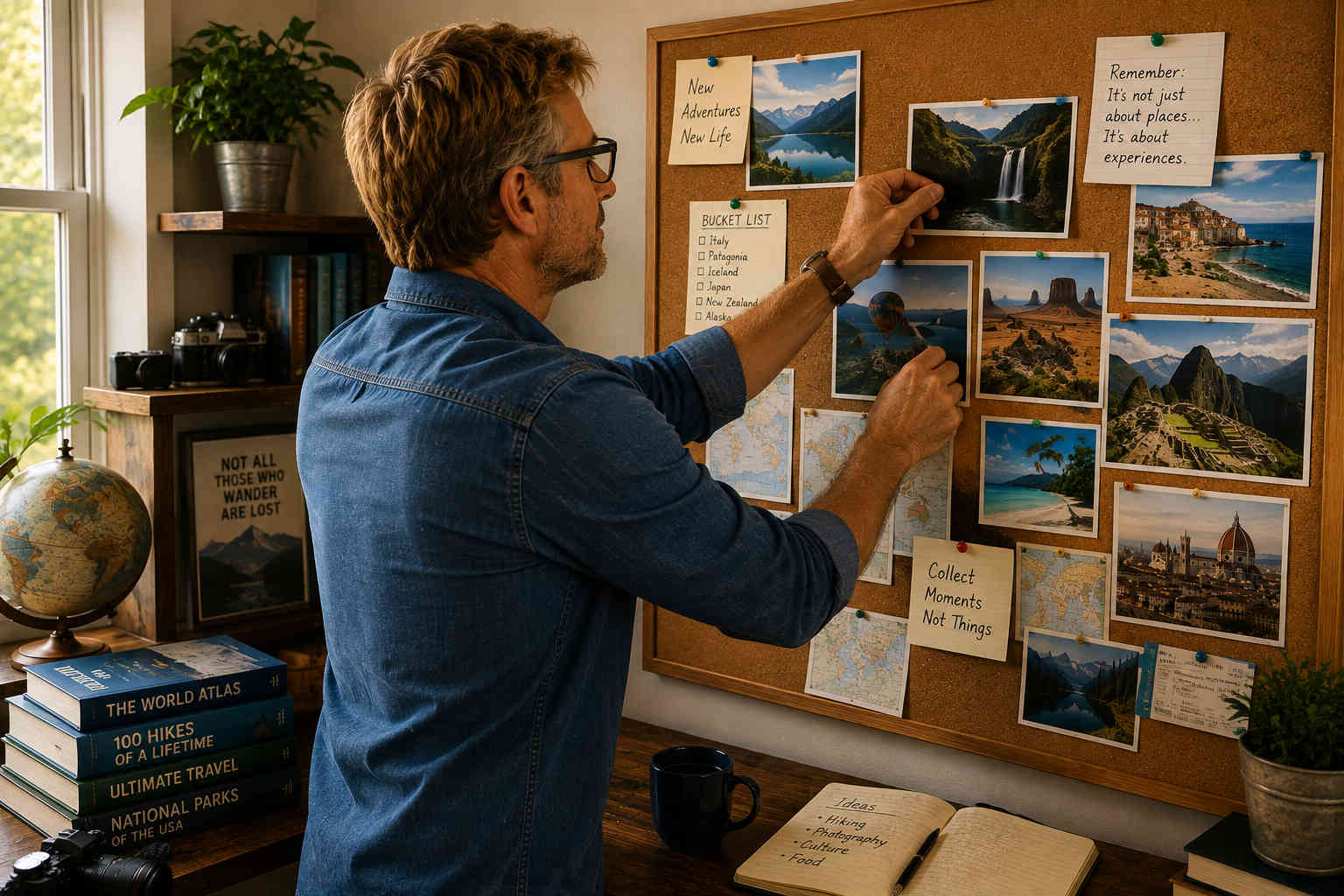
Why Every New Beginning Deserves A New Bucket List
Many men continue carrying old travel plans long after the life that created those plans has changed. Maybe you once planned a European vacation with your wife. Maybe you kept postponing travel because the kids were young. Maybe work always won. Maybe you spent years saying, “We will do that later.”
You do not have to keep treating those old plans as obligations. Start over.
Your new bucket list should reflect the man you are now, not the calendar you imagined ten or twenty years ago. That may mean traveling alone for the first time, visiting places connected to a new hobby, taking shorter road trips, or finally making room for an international trip you once assumed would never happen.
The point is not to erase the past. It is to stop letting the past own every picture of the future.
Stop Waiting For “Someday”
“Someday” is one of the most expensive words in travel. It sounds harmless because it keeps a dream alive without forcing you to do anything about it.
People wait until retirement, until work slows down, until they have more money, until someone agrees to go with them, or until life feels perfectly organized. The problem is that the perfect time almost never arrives.
Instead of asking when life will finally become convenient, choose a trip small enough to begin now. A weekend two hours away is still travel. A national park is still an adventure. A solo overnight trip can teach you more about independence than years of thinking about one.
Your first goal is not to complete the bucket list. It is to create momentum.

Think About Experiences Instead Of Destinations
Most bucket lists are written as place names: Paris, Tokyo, Alaska, New Zealand. That is a start, but it is not enough. Places are containers. Experiences are what you remember.
Ask yourself what you actually want to do when you get there. Do you want to hike above the tree line? Learn to cook regional food? Photograph wildlife? Ride a famous railway? Sleep under a sky dark enough to see the Milky Way? Attend a major sporting event? Walk through ruins you have read about for years?
When you build your list around experiences, the destinations become more personal. You stop chasing somebody else’s idea of a great trip.
Experience-Based Bucket List Prompts
- What have I wanted to learn but never made time for?
- What landscape makes me want to see it in person?
- What physical challenge would make me proud to complete?
- What culture, food, music, history, or tradition genuinely interests me?
- What trip would still matter if nobody ever saw the photos?
Build A Bucket List Around The Man You Want To Become
Travel can be entertainment, but it can also become part of your reinvention.
If you are rebuilding confidence, choose trips that require independence. If you are improving your health, include hiking, cycling, kayaking, or walking-heavy destinations. If you are developing new interests, travel toward them.
A man who has become interested in photography may build trips around national parks, wildlife, or architecture. A history lover might visit battlefields, castles, museums, and ancient sites. A man learning Spanish might plan a trip where he can actually use it.
Your bucket list should not just show where you want to go. It should reveal who you are becoming.

Include Small Adventures Alongside Big Dreams
If your list contains only expensive international trips, it can quickly become something you admire instead of something you use. Balance major goals with trips you can actually take this year.
Put Yellowstone next to a nearby state park. Put Italy next to a weekend in a town you have never explored. Put an African safari next to a scenic drive you can do next month.
The smaller trips matter because they create the habit of going. They teach you how to pack, plan, navigate unfamiliar places, eat alone, change plans, and solve small travel problems without turning them into a crisis.
Those skills make the bigger adventures feel less intimidating.
Create Categories Instead Of One Long List
A single list of thirty destinations can become visual clutter. Categories make it easier to see what kind of life you are trying to create.
- Nature: national parks, mountains, coastlines, forests, deserts, waterfalls.
- Cities: architecture, museums, food, music, neighborhoods, sports.
- International: countries and regions that genuinely interest you.
- Adventure: scuba, rafting, ziplining, hiking, sailing, skiing.
- Learning: photography workshops, cooking classes, language immersion, history tours.
- Relationships: trips with an adult child, brother, father, friend, or future partner.
- Local: places within a few hours of home that you keep overlooking.
Travel Alone At Least Once
For many divorced men, solo travel is not immediately exciting. It can feel like a reminder that the person who used to sit beside you is no longer there.
But traveling alone can become one of the clearest demonstrations that being by yourself and being lonely are not the same thing.
You choose when to wake up. You decide where to eat. You can stay at a museum for three hours or leave after ten minutes. You solve the airport problem, find the hotel, change the reservation, and figure out what to do when the weather ruins the plan.
Every small success adds evidence: I can handle this.

Don’t Ignore The Places Close To Home
One of the strangest travel habits is dreaming about another continent while ignoring what is two hours away.
Nearby trips are perfect for rebuilding a sense of adventure because they require less money, less planning, and less time away from work. Look for state parks, scenic highways, historic towns, museums, river valleys, festivals, lakes, hiking trails, and small cities you have never explored properly.
A Saturday morning departure can still interrupt routine. A local trail can still leave you standing at a view you did not know existed.
Do not confuse distance with significance.
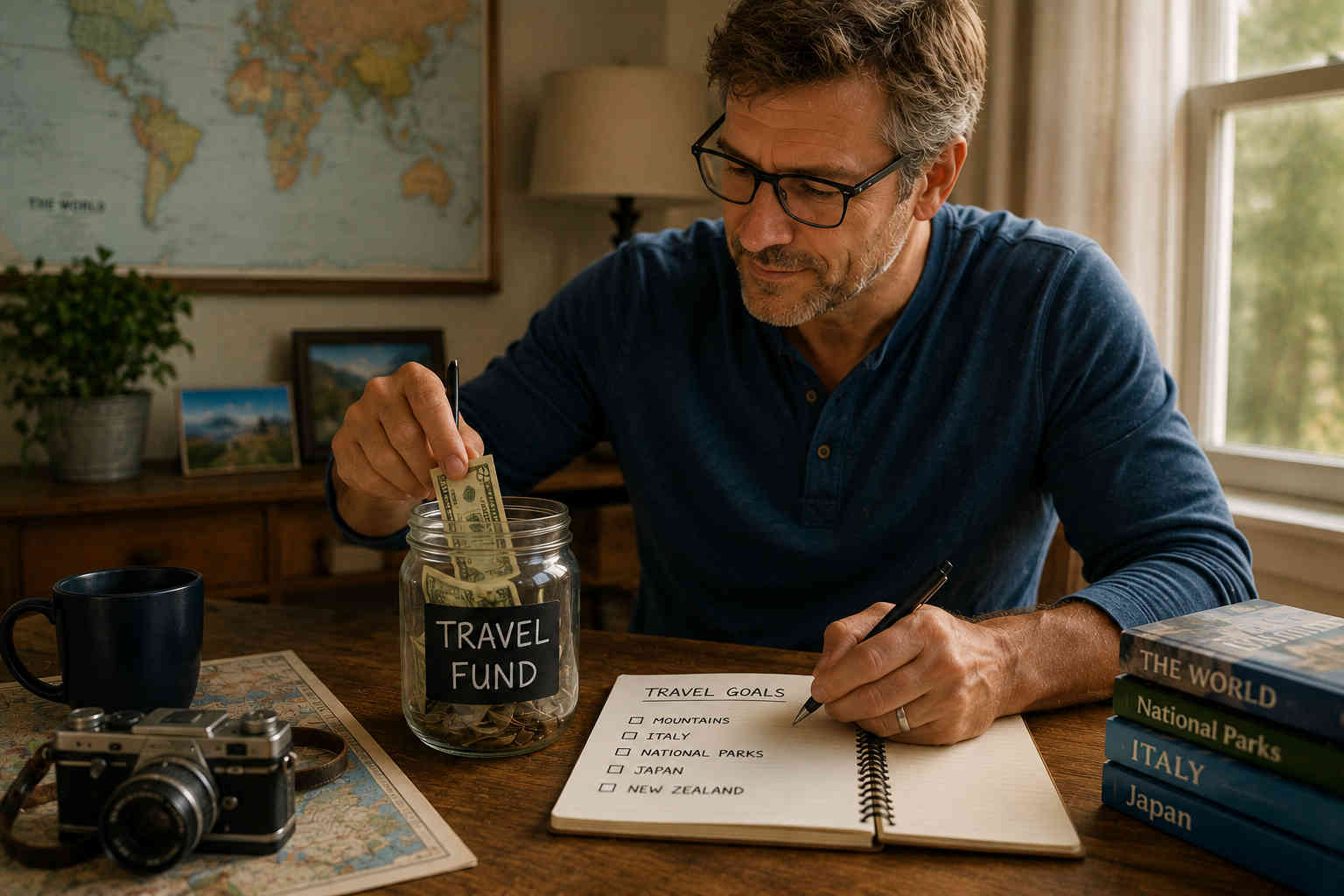
Build Your Travel Fund
A travel dream becomes less abstract when it has its own money.
Create a separate savings account or travel fund and automate contributions. The amount does not have to be impressive. Consistency matters more than drama. Fifty dollars a week is $2,600 in a year. A bonus, tax refund, side-income check, or money from selling unused items can accelerate the goal.
Give the money a specific job. “Travel” is vague. “Scotland 2027” is concrete.
When you know the estimated flight, lodging, transportation, food, and activity costs, the trip stops being a fantasy and becomes a savings target.
Learn Basic Travel Skills Before You Need Them
Confidence grows when unfamiliar tasks become familiar. Practice booking flights, comparing hotels, reading cancellation rules, using navigation apps, packing efficiently, and understanding airport procedures before a major trip.
If international travel is on your list, learn how passports work, how much validity your destination may require, where to keep copies, and how you will access money overseas. Learn a handful of useful phrases if you will be somewhere English is not common.
Document Every Adventure
Take photos, but do not make the entire trip about taking photos. Keep a short travel journal. Write down the restaurant you almost skipped, the stranger who gave you directions, the trail that was harder than expected, or the moment you realized you had stopped thinking about the divorce for an entire afternoon.
Those details become valuable later because they preserve more than scenery. They preserve who you were becoming.

Leave Room For Spontaneity
Do not schedule every hour. The best travel story may begin because you heard music down another street, spotted a local festival, followed a sign toward a market, or asked somebody where they would eat if they had one night in town.
A tight itinerary can help you see a lot. A little empty space helps you experience something.
Give yourself permission to change the plan when the new option is more interesting than the original one.

Travel To Challenge Yourself
Not every meaningful trip should be comfortable.
Choose at least one experience that makes you slightly nervous: a first scuba lesson, a difficult hike, a solo international flight, a language class, a sailing lesson, a long train journey through unfamiliar territory, or simply walking into a restaurant alone in a place where you do not know anyone.
The goal is not danger. The goal is useful discomfort.
Challenges give you evidence that your limits are not fixed. That matters after divorce because one of the easiest traps is allowing one painful chapter to shrink your willingness to take risks everywhere else.
Share The Experience When It Makes Sense
A bucket list does not have to become a declaration that you will travel alone forever. Some trips are better shared.
Invite an adult child on a weekend road trip. Take your brother somewhere you talked about for years. Meet an old friend in a city halfway between you. Plan a father-son trip around a baseball game, fishing destination, national park, or historic site.
Travel gives relationships something new to talk about. Long drives, unfamiliar places, and shared problems often produce conversations that would never happen at home.
Revisit Places That Changed You
A bucket list does not need to be a list of places you visit once and permanently cross out.
Some destinations become markers in your life. Maybe your first solo trip happened there. Maybe you recovered confidence on a trail. Maybe you returned from a particular city with a completely different picture of what you wanted next.
Going back years later can be powerful because the destination becomes a measuring stick. The place may look almost the same while you realize you are not the same man who first arrived.
Your Bucket List Should Keep Changing
One good trip usually creates three new ideas.
You visit Yellowstone and become curious about Glacier. You go to Scotland and start reading about Ireland. You take a photography trip and suddenly want to photograph wildlife. You learn to scuba and begin wondering what reefs exist on the other side of the world.
That is not failure to finish the list. That is the list doing its job.
A useful bucket list expands your curiosity faster than you can complete it.
Don’t Travel To Escape Your Life
There is an important difference between expanding your life and running away from it.
Travel can interrupt routine, give you perspective, and create emotional distance from problems. But it cannot permanently solve loneliness, financial stress, unhealthy habits, or unresolved grief.
Use travel to add something to your life—not to avoid building one at home.
The healthiest trip is one you can enjoy fully and still come home ready to continue the work.
Turning Dreams Into Plans
A bucket list becomes meaningful when one item becomes a date.
Choose a destination and research the best season to go, the likely budget, transportation, lodging, and the experiences that matter most. Then choose a realistic month.
Work backward. How much needs to be saved each month? Does your passport need to be renewed? Do you need better walking endurance? Is there a reservation that opens six months ahead? Would learning a few phrases improve the trip?
Planning should reduce friction, not remove every surprise.
Your Simple Travel Planning Checklist
- Choose one trip.
- Set a target month or departure date.
- Estimate the total cost.
- Set an automatic savings amount.
- Check passport or identification requirements.
- Choose the three experiences that matter most.
- Book the hardest-to-replace items first.
- Leave some time intentionally unplanned.
Final Thoughts: Give Your Future Something To Remember
Creating a travel bucket list is not about impressing people or proving that your new life is exciting. It is about refusing to let the future become smaller just because one chapter ended differently than you expected.
Some trips will be modest. Others may take years of saving. Some will be solo. Others will include people you care about. A few will challenge you physically. Some may simply give you a quiet afternoon in a place where you feel completely present.
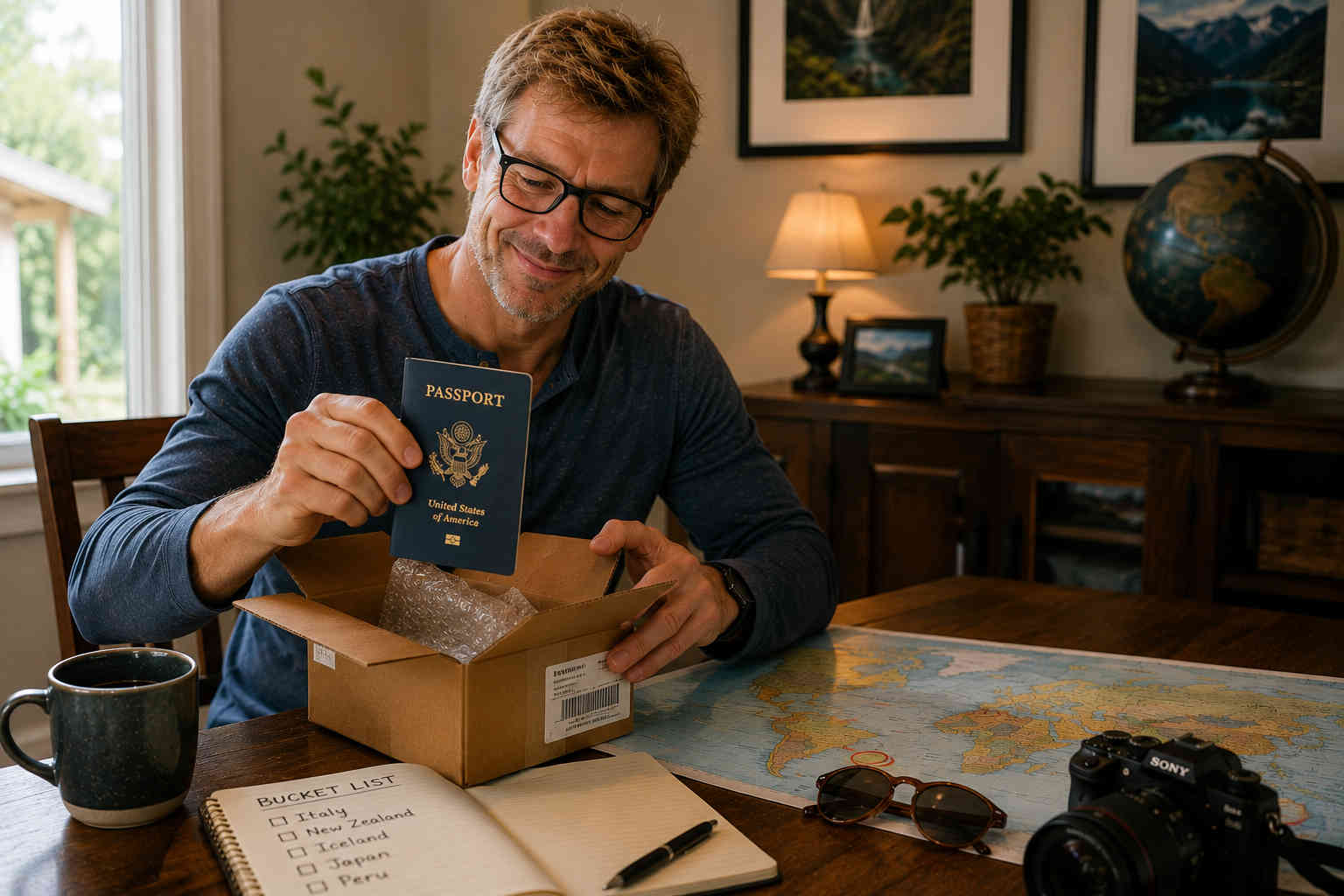
Years from now, you probably will not remember every ordinary weekend or every purchase you almost made. You will remember the first passport arriving in the mail. The road that opened into an unexpected view. The meal at a festival you did not know was happening. The moment you put on scuba gear for the first time. The trip where you realized you no longer needed somebody else to give you permission to go.
Write the list. Keep changing it. Save for it. Put a date beside one item.
Then go.

Your Travel Rule
Replace “Someday” With A Date
Choose one trip that is realistic for the next twelve months, estimate what it will cost, and give it a departure month. A bucket list starts changing your life the moment one dream becomes a plan.