
Preventive Health After Divorce
Your Health Deserves A Fresh Start, Too
Divorce can change nearly every part of a man's routine. You may be adjusting to a different home, preparing meals for one, sleeping poorly, managing new financial pressure, or putting all your energy into work and family obligations. In the middle of those changes, preventive medical care is easy to postpone. You may tell yourself you feel fine and will schedule an appointment when life settles down.
But feeling fine does not always mean everything is fine. High blood pressure, elevated cholesterol, prediabetes, and some cancers can develop without obvious early symptoms. By your fifties, a few deliberate conversations with a primary care professional can make a meaningful difference in what happens over the next ten or twenty years.
These ten health checks are a practical starting point, not a universal list of tests that every man must receive every year. The right screening schedule depends on your age, family history, symptoms, medications, previous results, and personal risk factors. Use this guide to prepare for an informed appointment—not to order every test on your own.
1. Blood Pressure: The Problem You May Never Feel
High blood pressure often causes no symptoms, yet it increases the risk of heart attack, stroke, kidney disease, and other serious problems. Stress, poor sleep, inactivity, excess alcohol, and weight gain can all make blood-pressure management more difficult after divorce. That is why a reliable measurement matters more than whether you feel tense or relaxed.
Have your blood pressure measured during routine care and ask what your readings mean. If a number is elevated, a clinician may recommend repeat measurements or home monitoring rather than relying on one reading in an unfamiliar office. Sit quietly before the measurement, keep your feet flat on the floor, and use a correctly sized cuff.
Ask your doctor: What is my blood-pressure goal, and should I track readings at home? If medication is needed, discuss side effects and how it fits alongside activity, diet, and weight management.

2. Cholesterol Testing: Understanding Your Heart Disease Risk
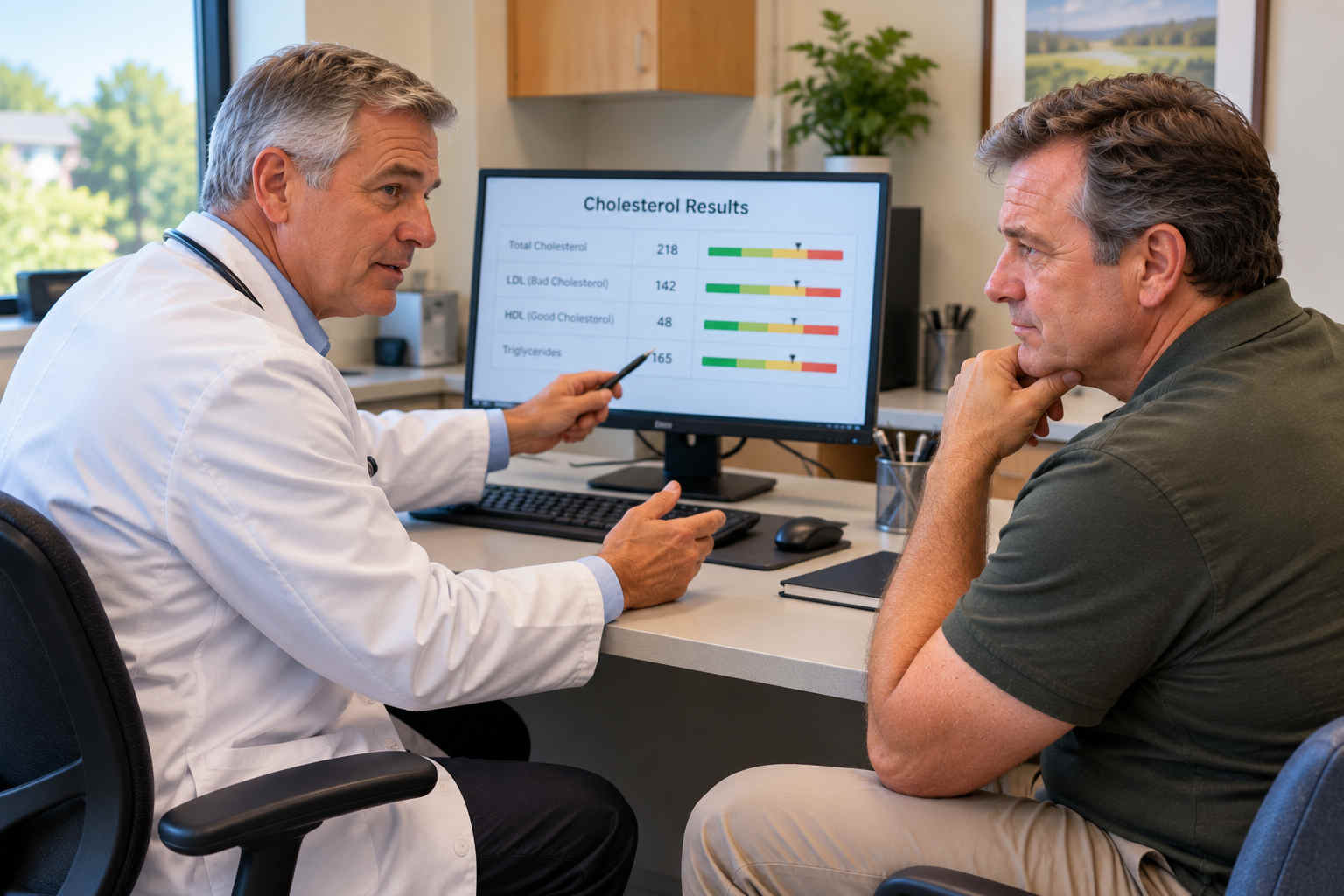
A lipid panel measures cholesterol and triglycerides, but the numbers become most useful when interpreted in context. Your clinician may consider LDL cholesterol, HDL cholesterol, blood pressure, diabetes, smoking, age, and family history together when estimating cardiovascular risk. A single number rarely tells the whole story.
Men over 50 should know when their last cholesterol test was performed and whether repeat testing is appropriate. Some men benefit from lifestyle changes alone; others may benefit from cholesterol-lowering medication depending on their overall risk. Family history of early heart disease is especially important to mention.
Ask your doctor: What is my overall risk of heart attack or stroke, and what would meaningfully lower it? A discussion of diet, physical activity, tobacco use, and medication may be more useful than focusing only on a target number.
3. Blood Sugar And A1C: Catching Diabetes Early
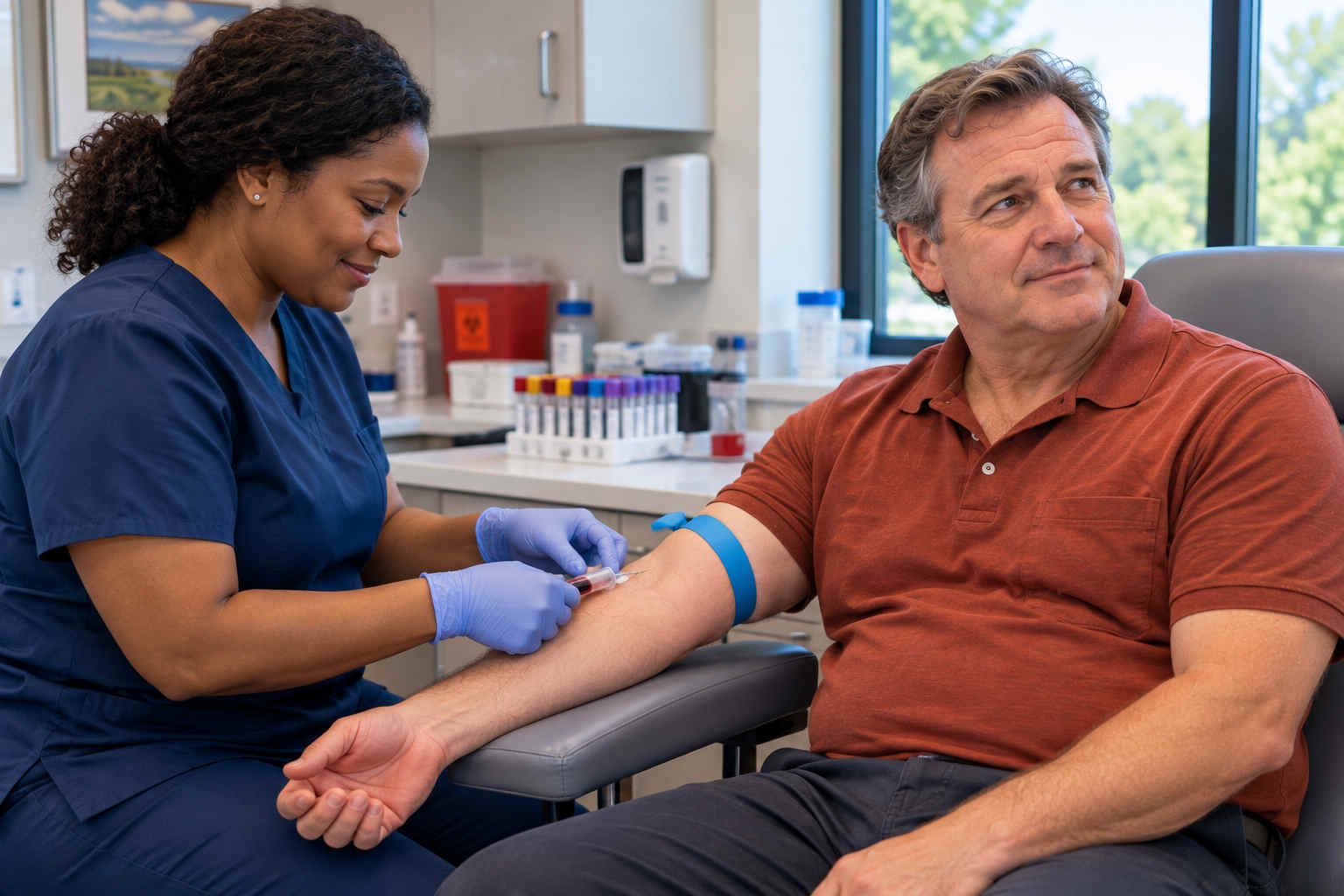
Type 2 diabetes can develop gradually. Early changes in blood sugar may go unnoticed while damage to blood vessels, nerves, eyes, and kidneys accumulates. Being over 50, carrying extra abdominal weight, having a family history of diabetes, or living with high blood pressure can make screening particularly relevant.
Common screening options include a fasting blood-glucose test and hemoglobin A1C, which reflects average blood sugar over roughly the previous two to three months. Your clinician will determine which test is appropriate and how often it should be repeated. A result in the prediabetes range is not a reason to panic; it is an opportunity to discuss changes that may reduce the chance of progression.
Ask your doctor: Should I be screened for diabetes now, and what do my results mean? If blood sugar is elevated, ask about realistic goals for nutrition, walking, strength training, sleep, and weight reduction.
4. Colorectal Cancer Screening: Do Not Wait For Symptoms
Colorectal cancer screening is one of the most important preventive conversations for adults in their fifties. For people at average risk, routine screening generally begins at age 45. That means a man who is 50 or older and has never been screened should bring it up rather than wait for abdominal pain or visible bleeding.
Options may include colonoscopy and several stool-based tests. These approaches differ in how often they are performed, what they can detect, and what follow-up is needed. A positive stool-based screening test generally requires a diagnostic colonoscopy. Your personal and family history may change which method is appropriate and when to begin.
Ask your doctor: Am I overdue for colorectal screening, and which option makes sense for me? Report persistent bowel changes, rectal bleeding, or unexplained weight loss promptly; symptoms deserve evaluation rather than routine screening alone.

5. Prostate Health: Understanding PSA Testing And Urinary Changes
Prostate health deserves a thoughtful discussion, but a PSA blood test is not automatically the right choice for every man. PSA screening may help detect some prostate cancers earlier, yet it can also lead to false alarms, additional procedures, and treatment of cancers that might never have caused harm. The balance of benefits and downsides depends on individual circumstances.
Many men in their fifties can reasonably discuss PSA screening with their clinician, especially if they have a close relative with prostate cancer or other factors that increase risk. Mention changes in urination, pain, or blood in the urine; these symptoms can have causes other than cancer and should not be ignored.
Ask your doctor: Given my age, family history, and preferences, should we discuss PSA screening now? What would happen if a result were elevated? A shared decision is more valuable than assuming more testing is always better.

6. Cardiovascular Risk: Looking Beyond One Number
Heart health is not a single test. It is an assessment of several interacting factors: blood pressure, cholesterol, blood sugar, tobacco use, family history, activity level, and sometimes kidney health or other medical conditions. Your clinician may use a cardiovascular risk calculator to estimate your likelihood of a future heart attack or stroke and help guide prevention.
Depending on your situation, a clinician may discuss whether additional evaluation is useful. Routine electrocardiograms, stress tests, or imaging are not necessarily beneficial for every man without symptoms. If you experience chest pressure, unusual shortness of breath, fainting, or a sudden change in exercise tolerance, seek prompt medical evaluation rather than waiting for an annual visit.
Between appointments, build cardiovascular fitness at a sustainable pace. Walking regularly, reducing tobacco exposure, eating more fiber-rich foods, and adding age-appropriate resistance training can help. You do not need to become a runner to begin improving your health.

7. Weight, Waist Circumference, And Metabolic Health
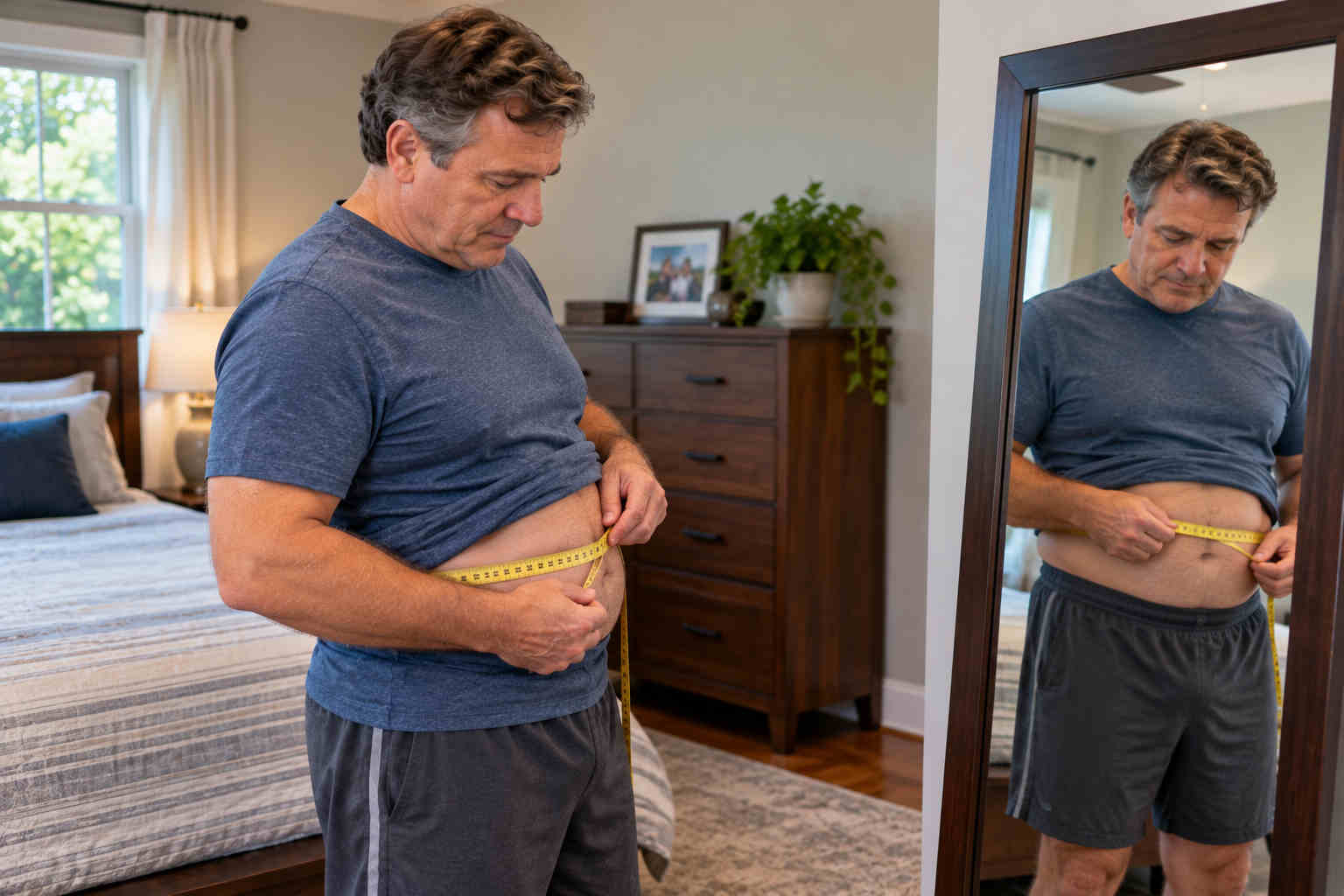
The bathroom scale tells you something, but it does not tell you everything. Waist circumference can offer additional information about abdominal fat, which is associated with cardiometabolic risk. A clinician may consider your weight, waist measurement, blood pressure, glucose, and cholesterol together rather than treating body mass index as the complete picture.
Divorce can change eating habits quickly. Restaurant meals, takeout, alcohol, irregular sleep, and reduced physical activity may gradually increase abdominal weight. Instead of chasing a dramatic transformation, start with changes you can sustain: a predictable grocery routine, protein and vegetables at meals, fewer liquid calories, regular walks, and strength training appropriate to your abilities.
Ask your doctor: What would be a reasonable weight or waist goal for my health, and should we check for conditions that complicate weight management? Track progress over months, not days. Small, sustained improvements matter.
8. Mental Health: Depression, Anxiety, And Alcohol Use
Emotional health is part of preventive healthcare, not a separate issue to discuss only when life becomes unmanageable. Divorce may bring loneliness, grief, anxiety, changes in identity, and chronic stress. Some men respond by withdrawing from friends, working longer hours, drinking more, or dismissing persistent sadness as ordinary fatigue.
During a checkup, a clinician may use brief screening questions for depression, anxiety, or unhealthy alcohol use. Answer candidly. These questions are intended to identify when a deeper conversation could help, not to judge your ability to cope. Counseling, social support, sleep treatment, and sometimes medication can all play a role depending on the problem.
Ask your doctor: Could my mood, stress, or drinking habits be affecting my physical health? If you feel hopeless or have thoughts of harming yourself, seek immediate help; in the United States, call or text 988 for crisis support.

9. Sleep Health And Sleep Apnea Evaluation
Sleep is often disrupted after divorce. A new home, financial worries, an inconsistent schedule, and nighttime rumination can leave you tired even after spending enough hours in bed. But persistent fatigue is not always caused by stress. Obstructive sleep apnea becomes more common with age and excess weight, and it can contribute to daytime sleepiness and cardiovascular problems.
Tell your clinician if you snore loudly, wake gasping, have morning headaches, struggle to stay awake during the day, or have been told that you stop breathing during sleep. Depending on your symptoms and risk factors, a sleep study may be appropriate. Insomnia may require a different approach, including behavioral treatment rather than simply taking a sleeping pill.
Ask your doctor: Do my symptoms suggest sleep apnea or insomnia, and what evaluation would help? Also discuss alcohol close to bedtime, caffeine, medications, and whether your sleep schedule is consistent enough to support recovery.
10. Vaccinations And Age-Related Preventive Care
Preventive care includes more than blood tests and cancer screening. Review your vaccination history with a clinician or pharmacist. Depending on age, prior doses, health conditions, and current recommendations, relevant vaccines may include influenza, COVID-19, shingles, tetanus-diphtheria-pertussis, hepatitis B, and pneumococcal vaccination. Recommendations change, so check the current schedule rather than relying on an old checklist.
This is also a good time to ask about dental care, vision and hearing concerns, tobacco cessation, and any screening tied to your personal history. For example, some men with a substantial smoking history qualify for annual low-dose CT screening for lung cancer. Men who have ever smoked may also need a one-time abdominal aortic aneurysm screening when they reach the appropriate age, often 65 to 75.
Ask your doctor: Which vaccines or age-related screenings am I missing based on my records and risk factors? Bringing a list of previous immunizations and medical procedures can save time and prevent unnecessary repeats.
How To Turn This Checklist Into One Useful Appointment
You do not need to schedule ten separate visits. Start with a primary care appointment and explain that you want to review preventive health after a major change in your life. Bring a current medication list, previous test results if available, the dates of past cancer screenings, and any family history of heart disease, diabetes, or cancer.
Write down what has changed since your last visit: sleep, weight, activity, alcohol use, mood, and any new symptoms. Be specific. “I have been waking up four nights a week for three months” is more useful than “I do not sleep well.” If cost or insurance coverage is a concern, ask which services are preventive, which are diagnostic, and whether a particular test requires a separate appointment or copayment.
Before you leave, agree on a manageable plan. That might include a blood-pressure log, a few lab tests, one cancer-screening referral, a vaccination, and a follow-up visit to review results. Make sure you know who will contact you about abnormal findings and what you should do if you do not hear back.
Five Questions To Take To Your Appointment
- Which screenings am I due for, and which do I not need yet?
- What are my most important cardiovascular and metabolic risk factors?
- Does my family history change the usual screening schedule?
- Could my sleep, mood, or alcohol use be affecting my health?
- What are the two or three highest-impact changes I can make before my next visit?
Final Thoughts: Protecting Your Health Is Part Of Rebuilding Your Life
After divorce, it is tempting to define progress by what other people can see: a new home, a better job, a different relationship, or a smaller waistline. But one of the most valuable things you can do for your future is less dramatic. Make the appointment. Ask the questions. Understand your numbers. Follow through on the next step.
At 50, 56, or 65, the goal is not to eliminate every possible risk. It is to make informed decisions early enough to matter. You deserve a future in which you have the energy to enjoy your family, pursue new experiences, and build a meaningful next chapter. Taking care of your health helps make that future possible.