
Before Your First Investment
Investing Shouldn't Be Your First Financial Move
One of the most common questions new investors ask is, “How much money do I need before I start investing?” The answer is not a magic dollar amount. You can technically begin with a very small amount of money, but being able to invest and being financially ready to invest are two different things.
For a man rebuilding his finances after divorce, that distinction matters. You may be trying to rebuild savings, absorb a new housing payment, handle child-related expenses, pay down debt, or recover from the cost of dividing one household into two. Putting every available dollar into investments can look responsible while actually making your financial life more fragile.
The goal is not to wait until everything is perfect. The goal is to build enough stability that a car repair, medical bill, insurance deductible, or bad month does not force you to sell investments or reach for a credit card.
Step 1: Know What Your Month Actually Costs
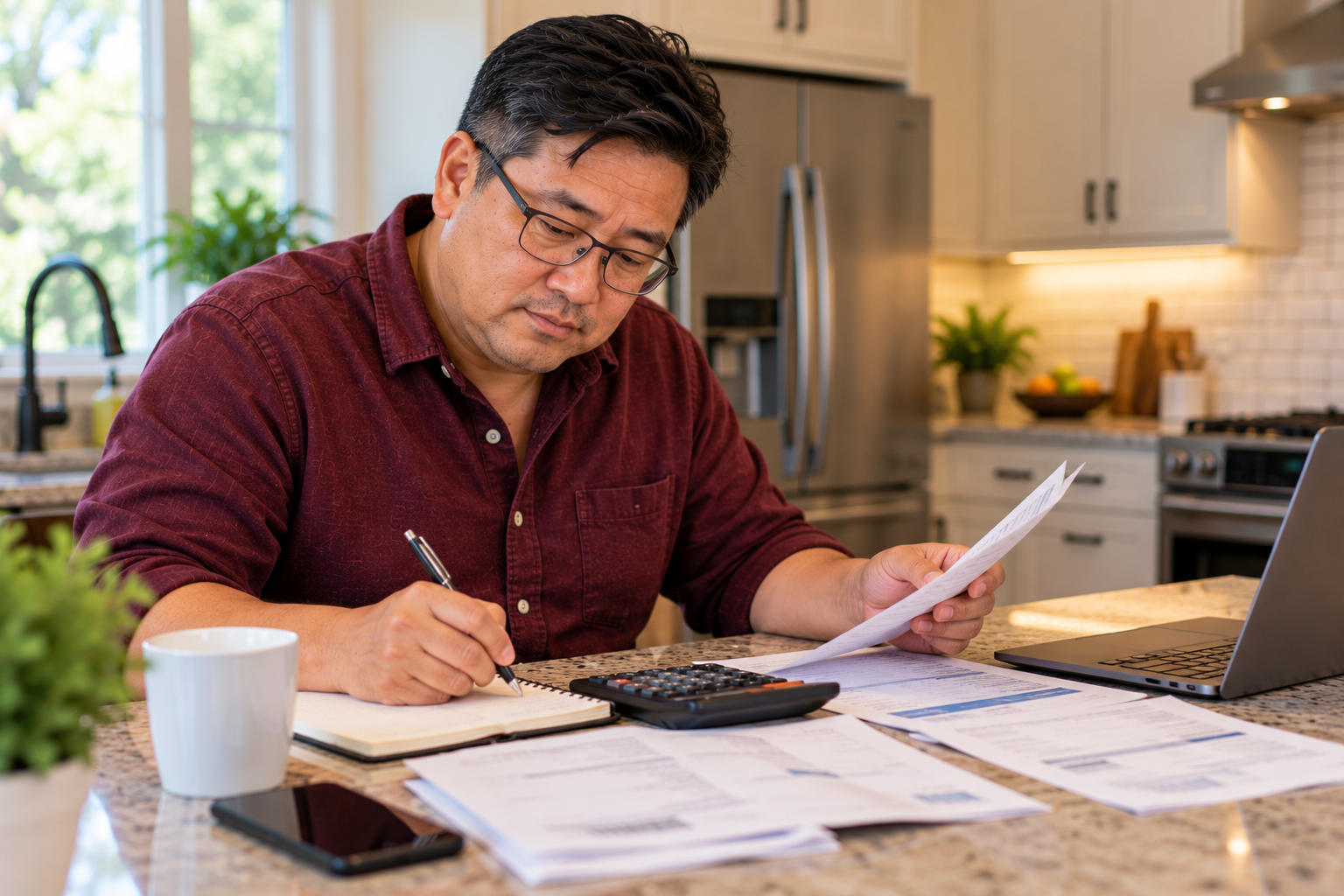
Start with the number that controls nearly every other decision: your essential monthly expenses. Do not use a rough guess. Add up housing, utilities, groceries, transportation, insurance, minimum debt payments, child support or other required family expenses, and the basic costs necessary to keep your life running.
If your essential expenses are $3,500 a month, that number gives you a way to judge whether $2,000 in savings is substantial or dangerously thin. The same savings balance means very different things to a man whose essentials cost $2,000 a month and one whose essentials cost $6,000.
Step 2: Build A Starter Emergency Fund
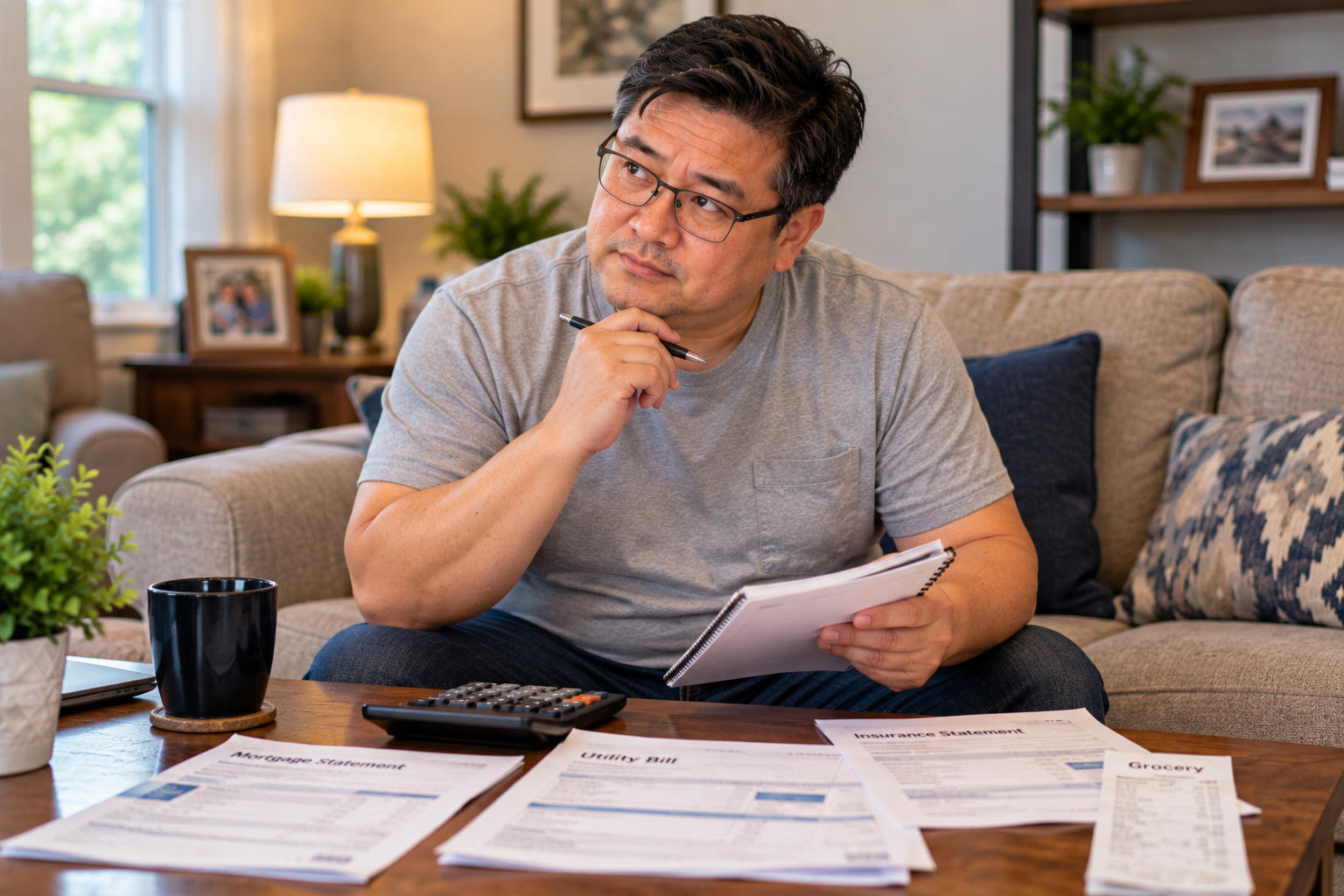
If you have almost no cash reserve, the first goal is usually not a brokerage account. It is a starter emergency fund. Even a modest reserve can prevent a routine problem from becoming new high-interest debt.
A practical first milestone might be enough to cover one significant unexpected expense or several weeks of essential bills. From there, work toward a larger reserve based on the stability of your income and responsibilities. A man with a very predictable paycheck and few dependents may need less cash than someone who is self-employed, supports children, owns an older home, or has irregular income.

Step 3: Look Hard At High-Interest Debt
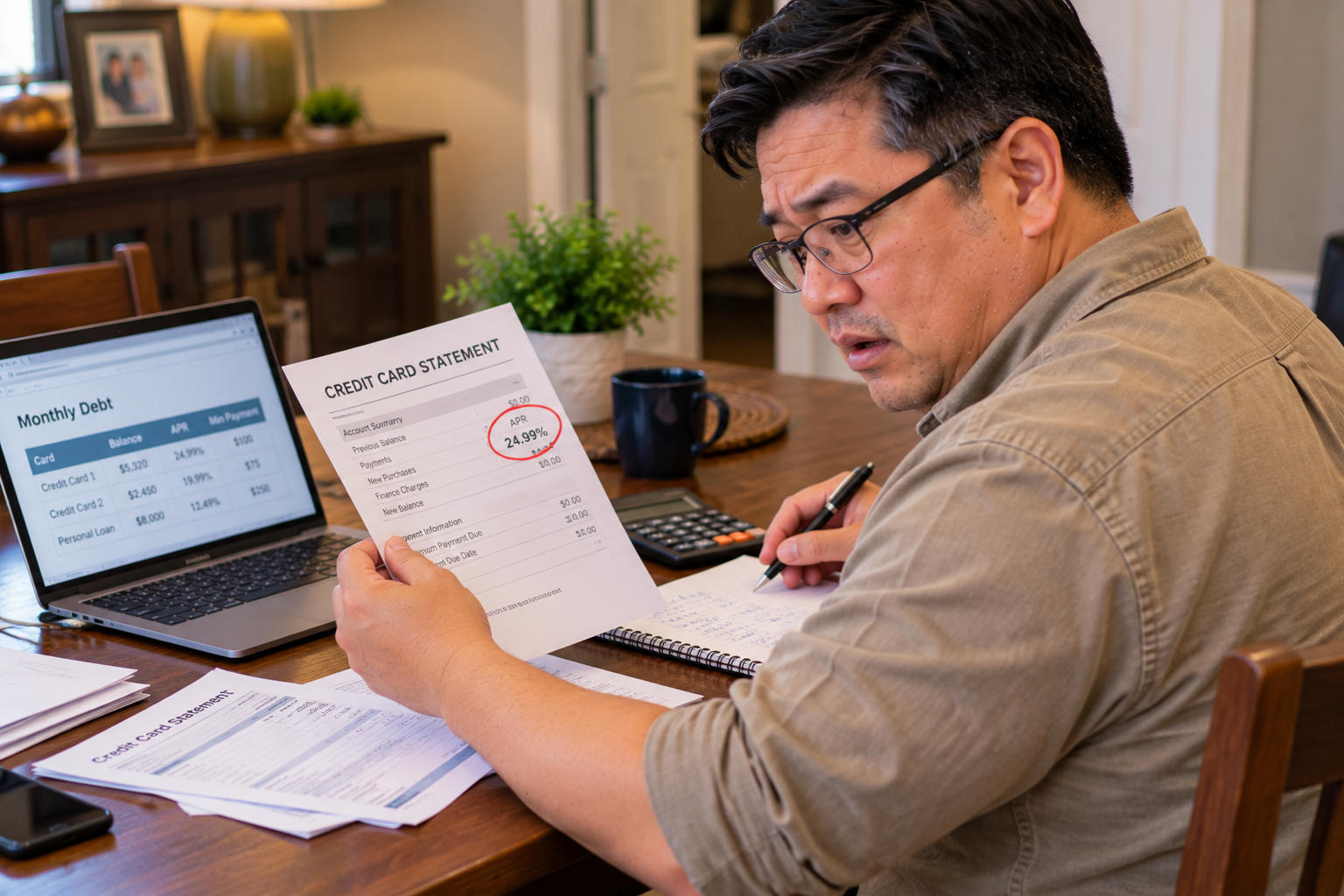
Investing while carrying expensive credit-card debt deserves careful thought. If a card is charging an interest rate in the high teens or twenties, paying down that balance produces a guaranteed reduction in future interest expense. Investment returns, by contrast, are never guaranteed over a short period.
This does not mean every debt must disappear before you invest a dollar. A low-rate mortgage, for example, is different from revolving credit-card debt. The important point is to recognize the interest rate you are paying and avoid building an investment account while an expensive balance is quietly working against you.
Step 4: Separate Emergency Savings From Investment Money
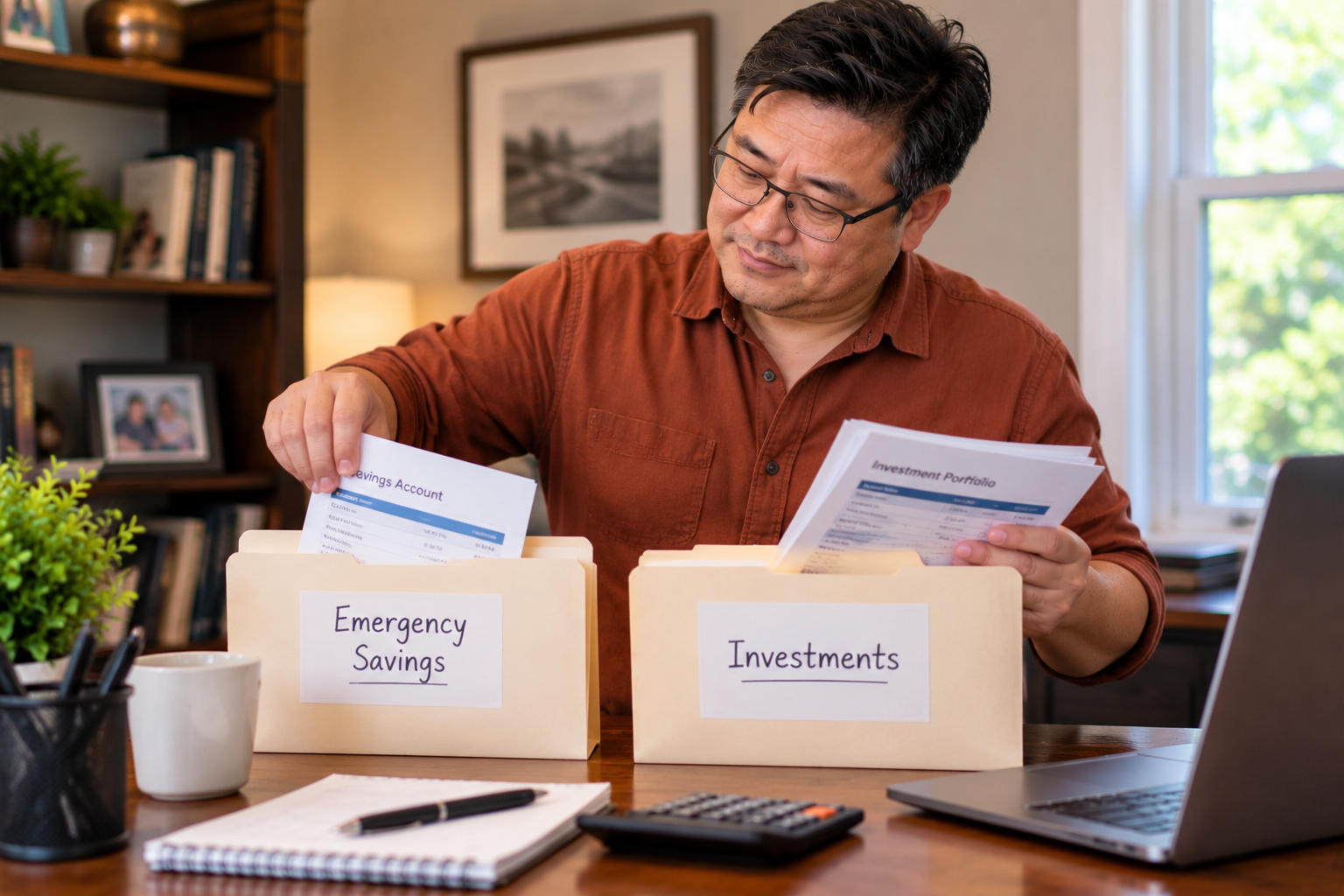
Your emergency fund and your investments have different jobs. Emergency savings is there for access and stability. Investments are generally for money you can leave alone long enough to tolerate market declines.
If the stock market falls at the same time you lose your job, you do not want your only emergency reserve invested in assets that may be temporarily down. Keeping the two categories separate protects you from being forced to sell at a bad time.
Step 5: Decide How Many Months Of Cash You Need
There is no universal emergency-fund number that fits every man. Three to six months of essential expenses is a commonly used planning range, but your circumstances may justify less or more. Think about job security, health insurance deductibles, dependents, home and vehicle reliability, and how quickly you could replace your income if your job disappeared.
If your essential expenses are $3,500 a month, three months is $10,500 and six months is $21,000. That does not mean you must wait until you reach $21,000 before investing anything. It means you should know the target and make an intentional decision about how you will build toward it.
A Simple Way To Think About It
Very little cash: concentrate first on creating a basic buffer.
Starter emergency fund established: you may be able to begin investing modestly while continuing to build cash.
Emergency reserve and expensive debt under control: more of your monthly surplus can usually be directed toward long-term investing.
Step 6: Start Small Instead Of Waiting For A Perfect Number
A common mistake is believing investing begins only after you have accumulated $10,000, $25,000, or some other impressive balance. It does not. Once the basic financial foundation is in place, a small recurring contribution can be more useful than waiting years for the “right” amount.
Starting with $25, $50, or $100 a month can teach you how investing works, establish the habit, and make the process less intimidating. The amount can grow later as debt falls, income rises, and your emergency reserve becomes stronger.

So How Much Cash Should You Actually Have?
A useful answer is not “$5,000” or “$20,000.” It is enough cash to handle normal financial shocks without immediately undoing your investment plan. For many people, that means progressing from a starter emergency fund toward several months of essential expenses while keeping known short-term costs out of the market.
Your target should reflect your own life. If you are recently divorced and still learning what your new household costs, you may want a larger cash cushion temporarily. If your income includes commissions or bonuses, base your essential budget on the income you can reliably expect rather than the best months.
What If You Only Have $500?
If $500 is all the extra money you have, do not feel pressured to invest it simply because investing sounds more sophisticated than saving. If that $500 is your entire financial cushion, keeping it accessible may be more valuable than exposing it to market risk.
But if you already have emergency savings and the $500 is genuinely long-term money, it can be enough to begin. The lesson is that readiness depends more on what the money represents than on the number printed on the account balance.
What If You Have $10,000 Sitting In The Bank?
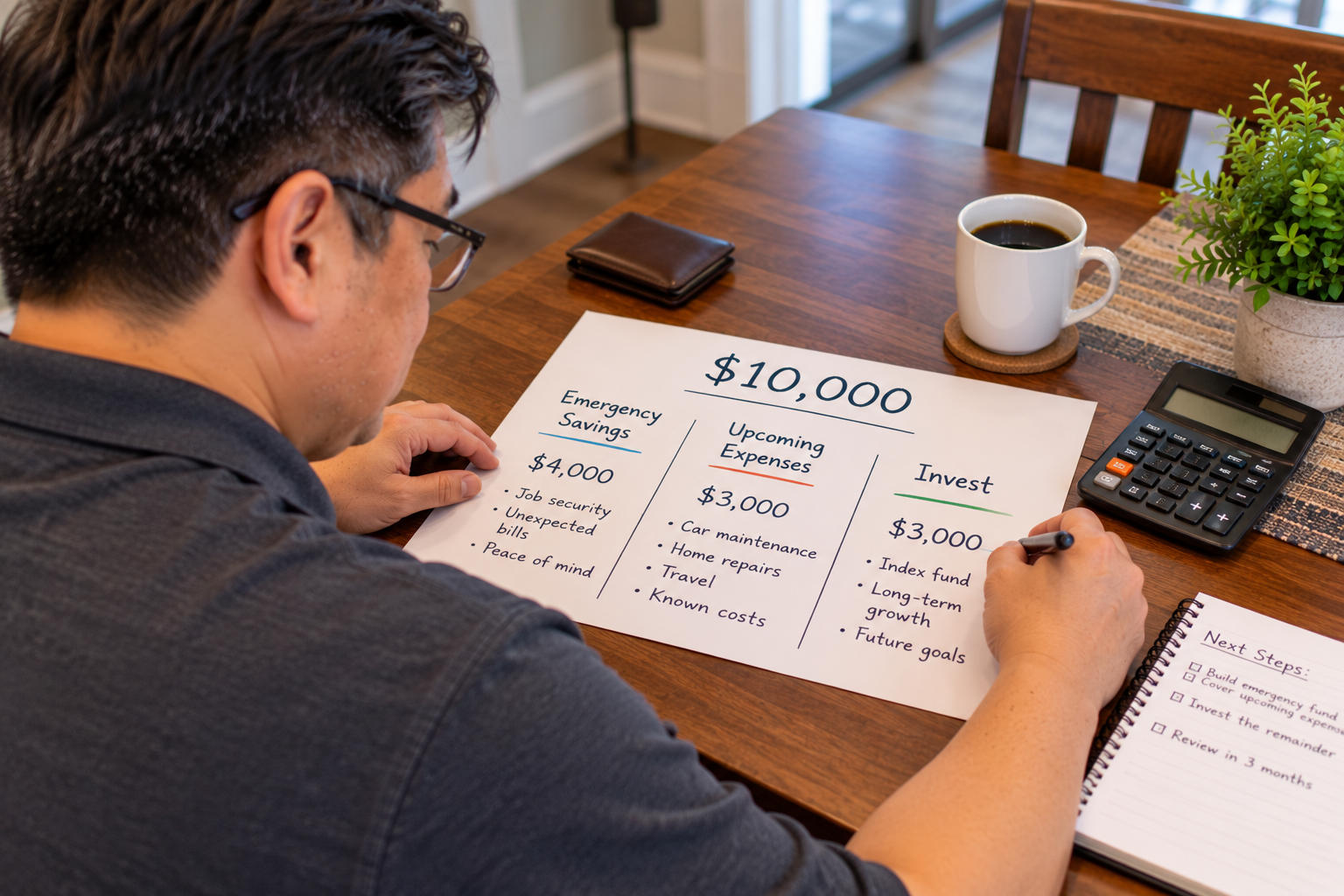
Having $10,000 does not automatically mean you should invest $10,000. First assign jobs to the money. Part may belong to your emergency reserve. Part may be needed for a known expense such as a car repair, insurance premium, home maintenance, taxes, or travel to see your children. Only the portion that is truly long-term money should be considered available for investing.
Money You'll Need Soon Usually Shouldn't Be Taking Big Risks
Time matters. Money for a goal next year is different from money for retirement fifteen or twenty years away. Markets can fall sharply and remain down when you need the money. The shorter your time horizon, the less room you have to wait for a recovery.
Before investing, list the large expenses you reasonably expect over the next few years. A replacement vehicle, moving costs, tuition, a home down payment, major repairs, legal expenses, or a large insurance deductible may deserve their own savings category. Do not confuse “money I am not spending this month” with “money I will not need for years.”
Starting Over At 40, 50 Or 60
Men who begin investing later often feel pressure to catch up immediately. That pressure can lead to two bad decisions: waiting because the goal feels impossible, or taking excessive risk because you believe you must make up for lost time.
A better approach is to establish the foundation, determine what you can invest consistently, and increase contributions as your financial position improves. Starting later makes consistency and contribution rate important, but it does not make reckless investing sensible.

Divorce Can Actually Give You A Financial Reset
Divorce can damage finances, but it can also force clarity. For the first time in years, you may be making financial decisions entirely around your own income, obligations, priorities, and future. That creates an opportunity to rebuild deliberately.
You can decide how much house you really need, what lifestyle is sustainable, which debts deserve priority, and how much of every raise or bonus will go toward your future. Investing becomes more effective when it is part of a larger system rather than an isolated attempt to “make money.”
A Simple Pre-Investing Checklist
- You know your essential monthly expenses.
- You have at least a basic emergency cash reserve.
- You understand the interest rates on your debts.
- You have a plan for high-interest balances.
- You have separated near-term spending money from long-term money.
- You know which upcoming expenses could require cash.
- You can invest without needing the money back next month.
- You can make a recurring contribution without missing required bills.
You do not need every box to be perfect before making your first small investment. The checklist is meant to reveal weak spots so you are not investing blindly.
You Don't Need To Be Wealthy To Become An Investor
The most important number is not the balance that makes you feel like a “real investor.” It is the amount you can invest without making the rest of your financial life unstable.
For one man, that may be $50 a month while he rebuilds savings. For another, it may be several hundred dollars every payday. Someone else may need to spend six months attacking credit-card debt before increasing investment contributions. The right starting point is the one that lets you move forward without repeatedly moving backward.
Build cash. Control expensive debt. Protect money you will need soon. Then begin investing an amount you can sustain and increase over time.
You are not trying to look wealthy. You are building the habits and financial structure that can create wealth over the years ahead.

The Starting Rule
Invest From Stability, Not Pressure
The goal is not to reach an arbitrary bank balance before you invest. Build enough cash and control enough debt that your investments can stay invested when ordinary life gets expensive.