Authentic Reinvention
Reinvention Should Feel Like A Better Fit, Not A Disguise
Divorce has a way of making a man question more than the marriage. It can make him question his judgment, his future, and even the personality he thought was his own. For years, you may have introduced yourself through roles: husband, father, provider, homeowner, part of a couple. When one of those roles disappears, the empty space can feel like proof that you have lost yourself.
That uncertainty often creates pressure to make a dramatic change. You may feel tempted to dress younger, spend more freely, chase attention, move impulsively, or adopt interests that look impressive from the outside. None of those choices are automatically wrong. The problem begins when change becomes a performance designed to convince your ex, your friends, or yourself that you are doing better than you actually feel.
If you are wondering how to reinvent yourself without pretending to be someone else, begin with a different definition. Reinvention is not becoming a stranger. It is editing your life until it expresses the strongest, most honest version of who you already are.
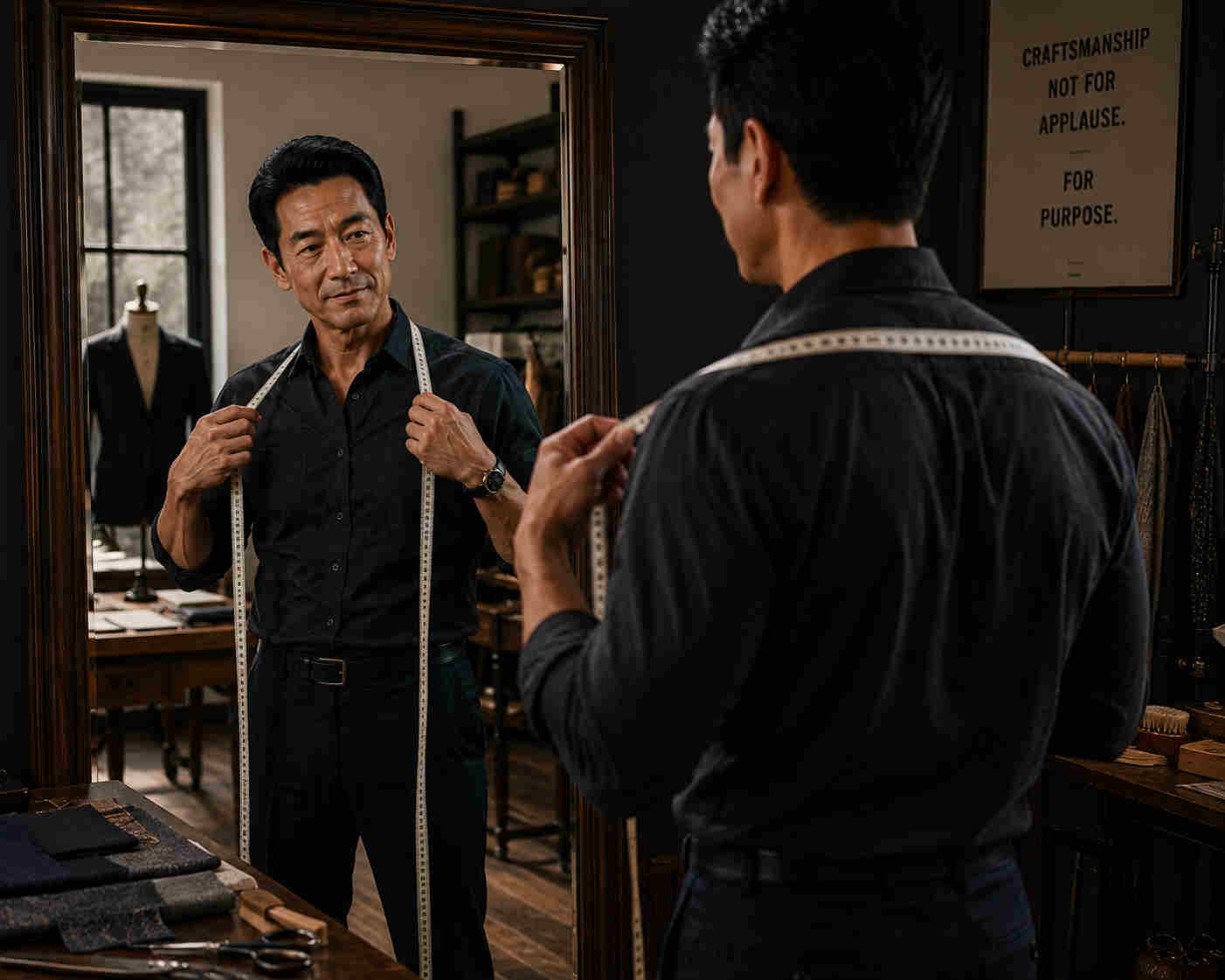
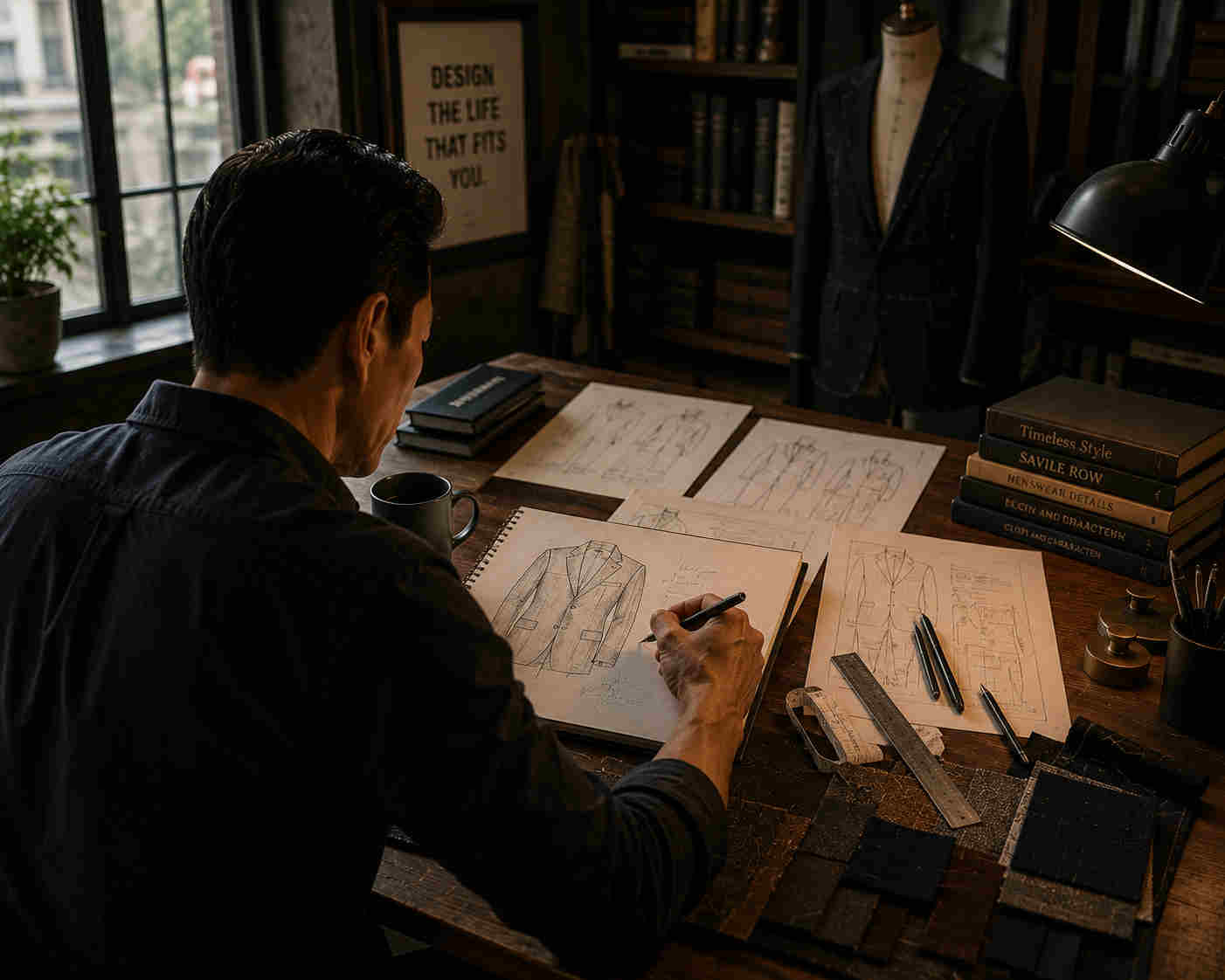
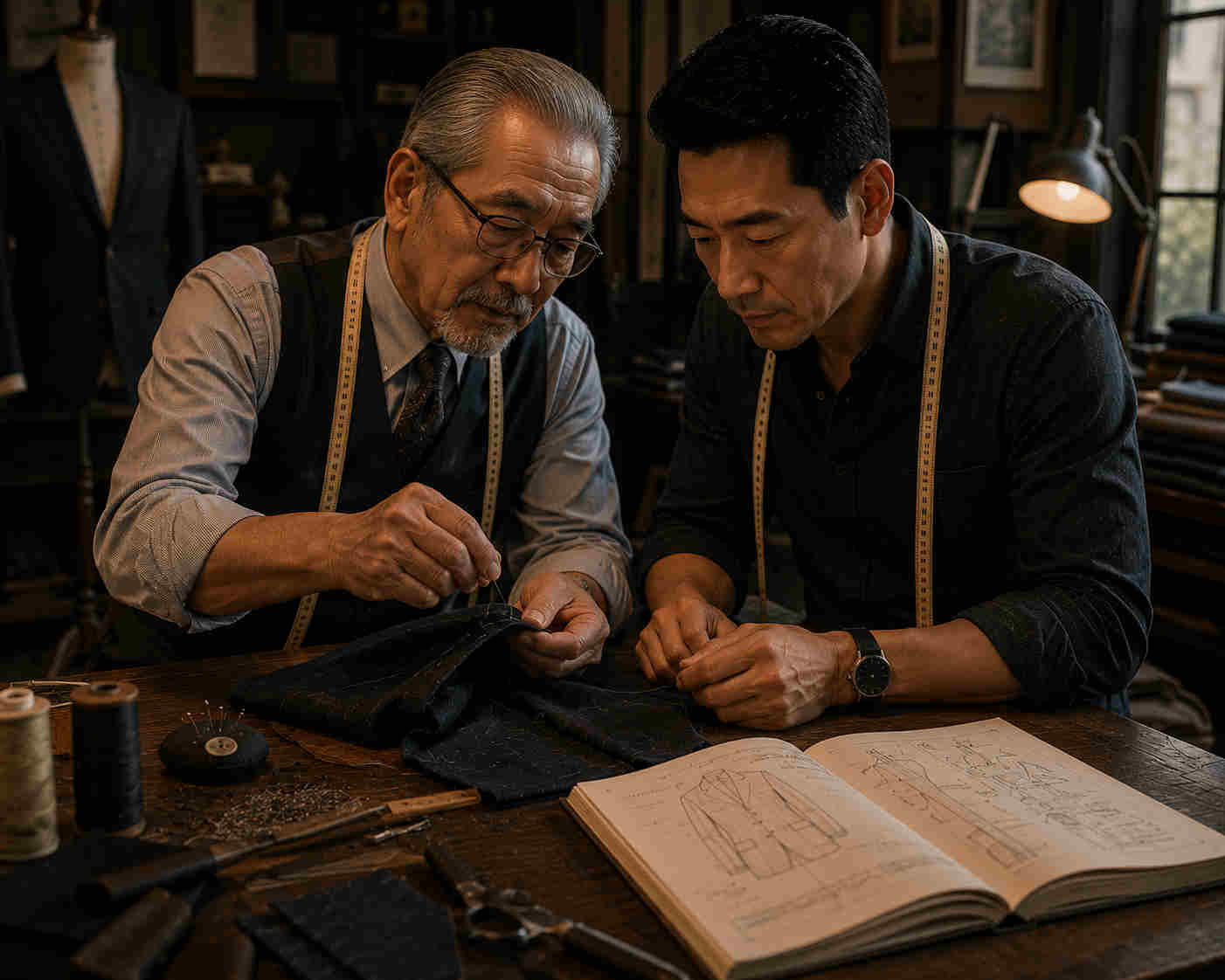
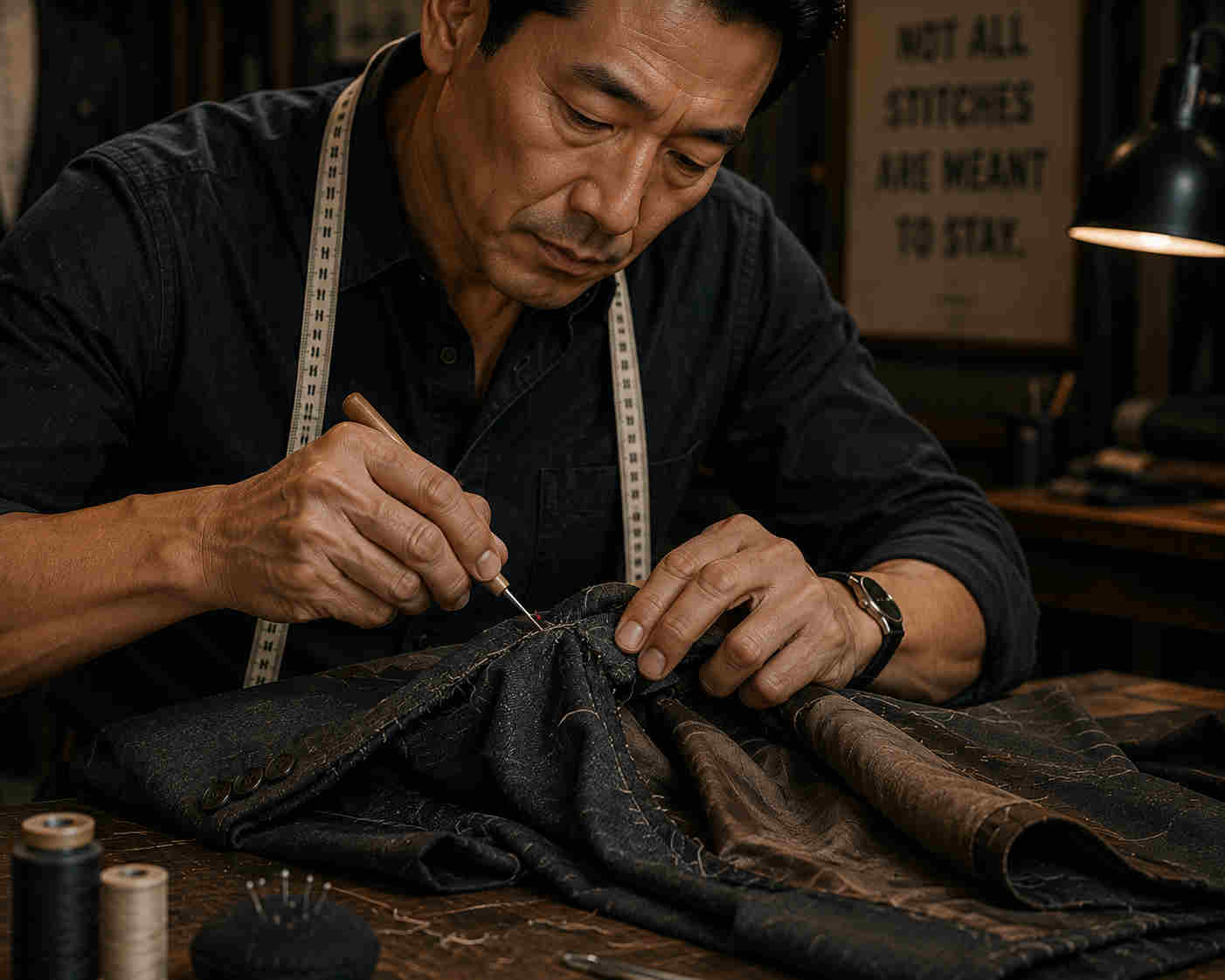
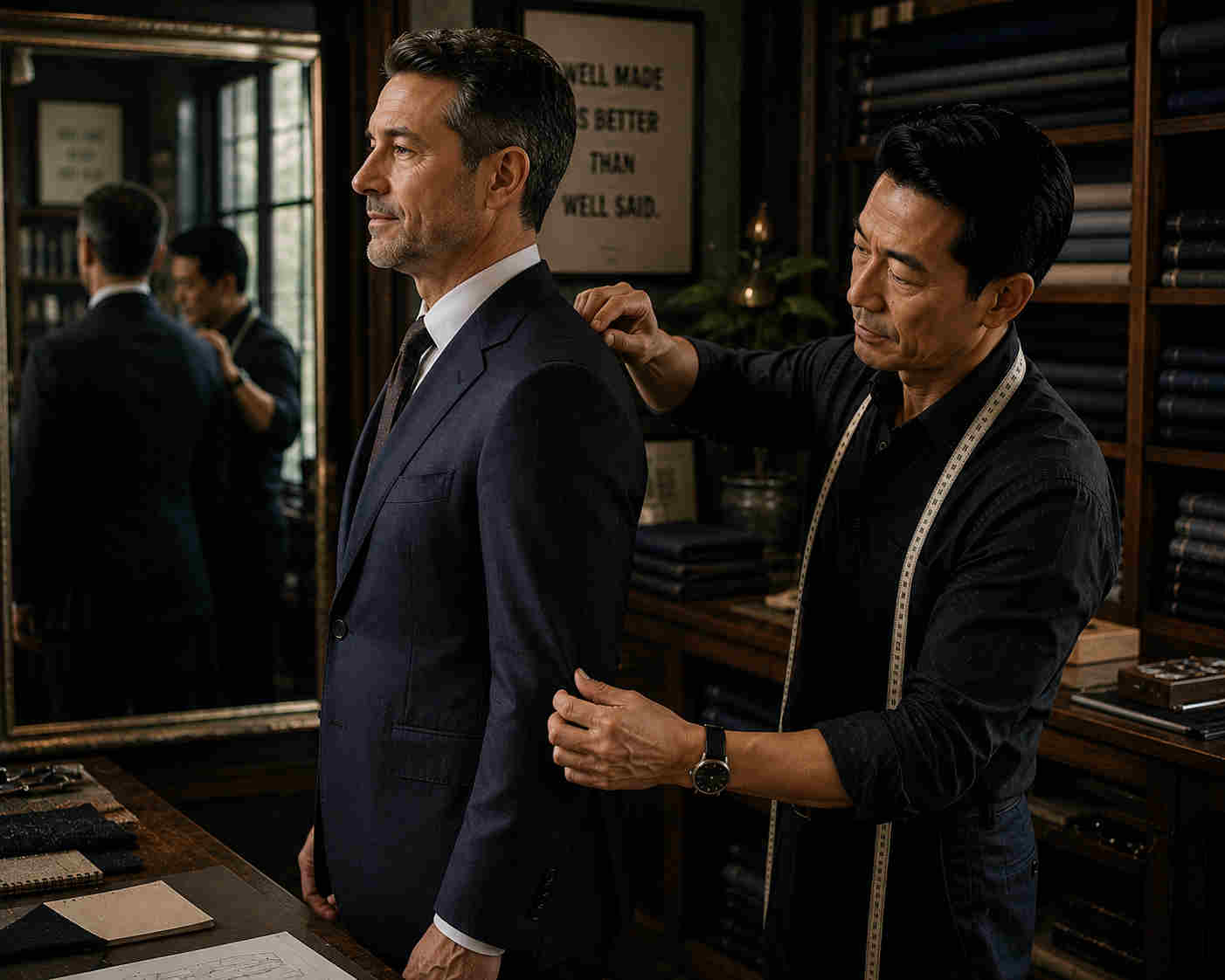
Think of a skilled tailor. He does not force every man into the same suit. He studies the person in front of him, takes accurate measurements, chooses material with intention, removes what does not fit, and builds something that belongs to that individual. Authentic reinvention works the same way.
Why Divorce Can Make You Feel Like You Lost Yourself
One of the least discussed consequences of divorce is identity loss. Most men expect sadness, anger, or loneliness. Fewer expect the strange confusion that arrives when nobody is waiting for them to play the role they performed for years.
You may ask what you enjoy now, what kind of future you actually want, or who you are when a spouse is no longer influencing your schedule, home, friendships, and priorities. Those questions are not evidence that you are broken. They are evidence that a former structure has disappeared and a new one has not yet been built.
Many men made thousands of decisions around the needs of a marriage or family. They chose where to live, how to spend weekends, what risks to avoid, and which interests to postpone. After divorce, freedom returns, but direction does not automatically return with it. That is why finding yourself after divorce can feel less like liberation and more like standing in an empty room.
Do not rush to fill that room with borrowed furniture. Give yourself enough time to notice what genuinely belongs there.
Stop Reinventing Yourself For An Audience
After divorce, it is easy to build goals around proving something. You may want to lose weight so your ex notices. You may want a more expensive car so nobody thinks the divorce damaged you. You may date constantly because being alone feels like public failure. You may post every improvement online so the transformation appears undeniable.
These goals can produce temporary momentum, but they place your identity in other people's hands. The audience must keep reacting or the change begins to feel meaningless.
Authentic reinvention asks a quieter question: If nobody could see this decision, would I still want it?
Would you still take the class if you could not mention it online? Would you still train if your ex never saw the result? Would you still move to that city if nobody considered it impressive? Would you still buy that jacket if the label were hidden?
Those questions separate genuine preference from performance. They help you recover an authentic self after divorce instead of replacing one limiting role with another.
Build Your Identity Around Values Instead Of Roles
Roles are temporary. Values are portable.
You may no longer be a husband. Your children will eventually need you differently. Careers change. Retirement comes. Homes are sold. Social circles shift. If your identity depends entirely on a title, every transition can feel like personal erasure.
Values create continuity. They tell you how to behave even when the setting changes. A reliable man can be reliable as a father, friend, employee, business owner, volunteer, or partner. A curious man can keep learning at thirty, fifty, or seventy. A courageous man can tell the truth, ask for help, begin again, or walk away from what violates his standards.
Write down five qualities you want your next chapter to express. Avoid vague words that sound impressive but do not guide behavior. Choose values you can recognize in action:
- Integrity: I tell the truth early, especially when the truth is uncomfortable.
- Reliability: I do what I said I would do.
- Curiosity: I keep learning instead of defending old assumptions.
- Courage: I take useful action before confidence arrives.
- Contribution: I use my experience to make someone else's path easier.
When your identity is built around values, you can rebuild your identity without inventing a personality that does not belong to you.
Rediscover What Was Yours Before Life Became Complicated
Before marriage, mortgages, deadlines, and family logistics filled the calendar, what made you curious? What could hold your attention for hours? What did you enjoy before every hobby had to justify its cost or fit around someone else's preferences?
Perhaps you loved photography, woodworking, camping, music, cooking, history, astronomy, gardening, writing, travel, mechanics, or learning languages. Some interests disappeared because life became busy, not because you stopped caring about them.
Revisiting an old interest is not a retreat into the past. It is a way to identify emotional material that still feels like yours. The goal is not to recreate the man you were at twenty-five. It is to recover the parts of him that remain useful and combine them with the judgment you have now.
Make three lists:
What I Miss
Activities, friendships, routines, or environments that once made you feel engaged and alive.
What I Have Outgrown
Habits, expectations, relationships, and identities that no longer fit the man you are becoming.
What I Am Curious About Now
Subjects, skills, places, and forms of service that keep returning to your attention.
The overlap among those lists often reveals the most honest direction for creating a new life after divorce.
Remove What No Longer Fits Before Adding More
Men often approach reinvention by adding things: a new routine, new clothes, new hobbies, new dating profiles, new goals. Addition feels productive. But a life can become crowded with impressive activities that still do not feel authentic.
Sometimes the most important change is subtraction.
Stop attending gatherings that leave you drained merely because you have always attended them. Reduce contact with people who require you to stay bitter so they can feel loyal to you. Remove possessions that preserve a version of life you are no longer living. Retire the habit of explaining every decision to people who do not carry its consequences.
Also examine the stories you repeat about yourself. “I am not creative.” “I am too old to start over.” “I have never been disciplined.” “I am just not social.” Some of those statements may describe your past behavior, but they do not have to become permanent measurements.
Do not replace them with empty affirmations. Replace them with experiments. Take one class. Attend one event. Complete one month of training. Make one piece of work. Let evidence update the story.
Learn New Skills Because They Interest You, Not Because They Impress People
There is a meaningful difference between self-improvement and self-rejection.
Self-improvement says, “There is more in me that I want to develop.” Self-rejection says, “The person I am is unacceptable, so I need a replacement.” The first creates energy. The second creates exhaustion.
Choose skills because they expand your life. Learn photography because you notice light and detail. Study investing because financial competence creates freedom. Learn to cook because feeding yourself well is an act of self-respect. Take a public-speaking course because your ideas deserve clearer expression. Learn guitar because music still moves you.
You do not have to become exceptional at everything you try. A beginner's life is valuable because it interrupts the belief that your identity is already finished.
Reinvention often begins with humility: admitting that you want something you do not yet know how to create.
Build Confidence By Creating Value For Other People
Many men try to rebuild confidence by improving their image. They focus on appearance, income, status, or dating success. Those areas can matter, but confidence becomes fragile when it depends only on being admired.
A more durable confidence comes from usefulness.
Fix something that has been neglected. Teach someone a skill. Help a younger employee avoid a mistake you once made. Show up when your child needs consistency. Volunteer where reliability matters more than charisma. Build something that works better because you touched it.
Contribution gives you evidence that your experience still has value. It moves you out of the endless question, “How am I being seen?” and into the more grounded question, “What can I improve here?”
Design An Ordinary Life You Do Not Need To Escape
Some men reinvent themselves by running away. They change cities, careers, relationships, or appearances in rapid succession. Sometimes those changes are healthy. But geography and novelty cannot permanently solve patterns you carry with you.
Instead of asking only where you should go, ask what kind of ordinary Tuesday you want to live.
What time do you wake up? What work fills the middle of the day? How does your home feel when you return? Who can you call without performing? What do you do with the two hours between dinner and sleep? What habits make tomorrow easier?
A meaningful life is rarely built from constant excitement. It is built from ordinary days that contain enough health, purpose, connection, competence, and peace that you do not spend the week waiting to escape on Friday.

Reinvention Happens Quietly Through Repetition
Transformation is often presented as a dramatic event: the new job, the big move, the physical makeover, the first date, the public announcement. In real life, most reinvention is almost invisible while it is happening.
You wake up thirty minutes earlier. You begin walking every morning. You read instead of scrolling. You prepare food before hunger makes the decision. You call a friend. You keep one promise to yourself. You organize your finances. You practice a skill when nobody is watching.
None of those actions looks like a new identity on the first day. But identity follows repeated evidence. Eventually you stop saying you are trying to become disciplined because your calendar shows that you already are.
This is why personal growth for divorced men should not depend on a permanent state of motivation. Create small rules that remain useful on ordinary days:
- Do one physically demanding thing three times each week.
- Spend thirty focused minutes on a meaningful skill before entertainment.
- Initiate one honest conversation instead of waiting to be contacted.
- Review money, health, relationships, and goals once each week.
- Complete one uncomfortable but useful action every seven days.
Discovering Your New Purpose
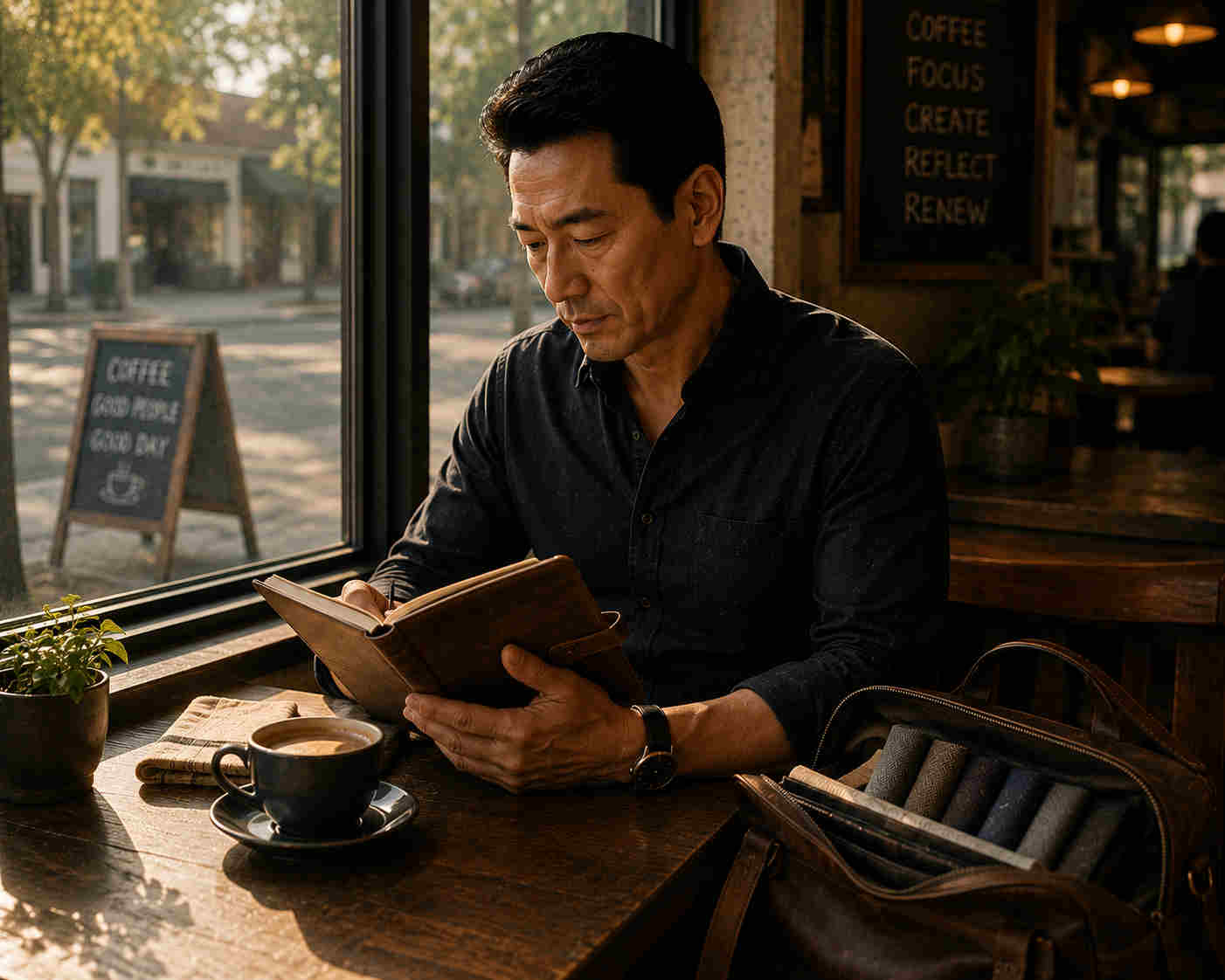
Purpose is often misunderstood as a single hidden answer that must be discovered before life can begin. Men wait for a dramatic revelation that explains exactly what they are supposed to do next. That expectation creates unnecessary pressure.
Purpose is usually built through participation. It grows where interest, ability, responsibility, and contribution begin to overlap.
Instead of repeatedly asking, “What is my purpose?” ask more useful questions:
- What problems do I enjoy solving?
- What kind of work leaves me satisfied even when it is difficult?
- What do people naturally ask me to help with?
- What experiences have taught me something another man may need?
- Where do I feel useful rather than merely noticed?
For one man, purpose after divorce may involve mentoring younger employees. For another, it may involve rebuilding a neglected business, restoring old houses, teaching a trade, coaching youth sports, caring for aging parents, writing, volunteering, or becoming a more present father.
Purpose does not have to become a career. It does not have to produce applause. It does not even have to remain the same for the rest of your life. Your purpose at thirty may have involved building a family. At sixty, it may involve transferring wisdom, creating financial stability, strengthening a community, or helping someone avoid the mistakes you made.
Track your energy for two weeks. At the end of each day, write down what absorbed you, what drained you, when you lost track of time, and where you felt useful. Patterns often appear before a complete plan does.
Do Not Wait To Feel Like A Different Person
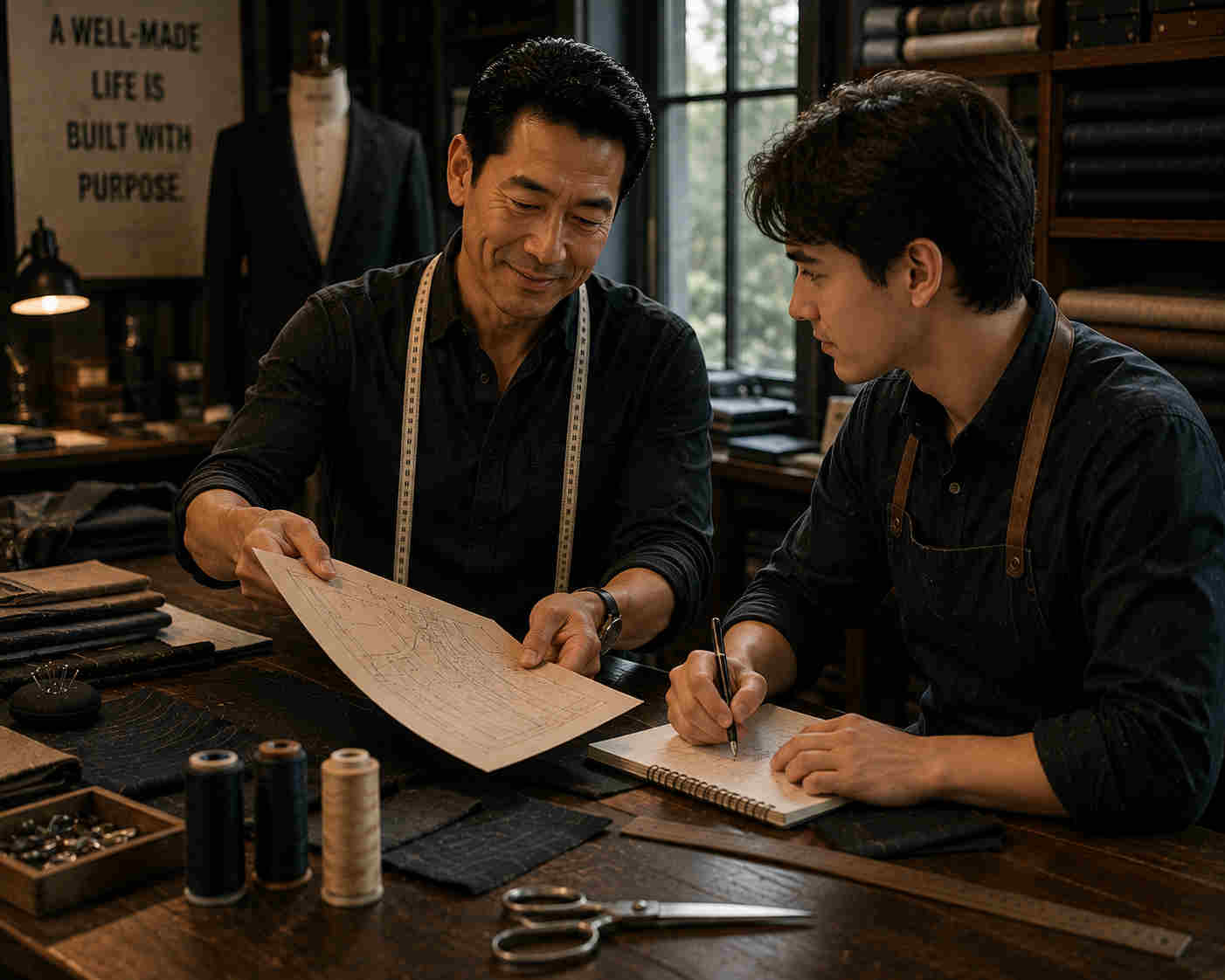
Many men postpone change because they do not yet feel confident, motivated, social, creative, or ready. But identity usually follows behavior.
You do not become confident and then enter the unfamiliar room. You enter the unfamiliar room, survive the discomfort, and collect evidence that you can handle it. You do not become disciplined before following a routine. You follow the routine until discipline becomes the most accurate description of what you repeatedly do.
Action creates evidence. Evidence changes belief. Belief changes identity.
Choose one area where you have been waiting for a feeling. Then replace the emotional requirement with a visible action. Send the application. Attend the class. Schedule the medical appointment. Invite the friend to coffee. Open the savings account. Spend twenty minutes making the first rough version.
Your first action does not need to prove that you have transformed. It only needs to prove that the old story is no longer fully in control.
Final Thoughts: Wear The Life That Actually Fits You
The strongest reinvention will not make you look like a completely different man. It will make you look more settled inside your own life.
You will stop explaining every preference. You will choose friends because the relationship is mutual, not because history makes it obligatory. You will learn because curiosity remains alive. You will care for your body because you intend to use it. You will serve where your experience has value. You will become less interested in appearing transformed and more interested in living according to your standards.
That is what living authentically looks like after divorce. It is not louder. It is more aligned.
You do not need a different personality. You do not need to imitate successful men. You do not need to become fearless, younger, wealthier, or permanently optimistic before your next chapter can begin.
You need enough honesty to take accurate measurements, enough courage to remove what no longer fits, and enough patience to build a life one deliberate stitch at a time.

The Authentic Reinvention Rule
Do Not Build A Life For The Audience
Choose one decision you would still make if nobody could praise, envy, question, or misunderstand it. That decision is often where your real next chapter begins.