Leading By Example
Your Kids Are Studying You More Than You Realize
You can tell your children a hundred times that their word matters. You can lecture them about honesty, responsibility, commitment, and doing what they said they would do. But the lesson that sticks deepest usually does not come from a lecture. It comes from watching you.
Children pay attention to whether Dad actually arrives when he says he will. They notice whether “I’ll help you tonight” turns into help tonight or another excuse. They notice whether rules and consequences disappear when enforcing them becomes inconvenient. They notice what happens when you make a mistake: whether you admit it or explain it away.
That is why teaching children to keep their word begins with something more demanding than giving them rules. It begins with making your own word dependable.

Start With the Small Promises
Fathers often think promises only count when they sound important. Children do not make that distinction. “We’ll shoot baskets after dinner,” “I’ll look at your project tonight,” and “I’ll pick you up at five” may feel small to you, but repeated follow-through teaches your child what your words are worth.
If you routinely make casual promises and forget them, your children learn that words are flexible. If you treat even ordinary commitments seriously, they learn that saying something creates an obligation.
Stop Saying Yes Before You Know You Can Deliver
One of the easiest ways to become unreliable is to promise too quickly. Sometimes dads say yes because they want to avoid disappointing a child in the moment. The problem is that a quick yes followed by a broken promise usually creates more disappointment later.
It is better to say, “Let me check,” than to promise something you have not thought through. Reliability is not about agreeing to everything. It is about making fewer, clearer commitments and taking them seriously.
Make Your Word Specific
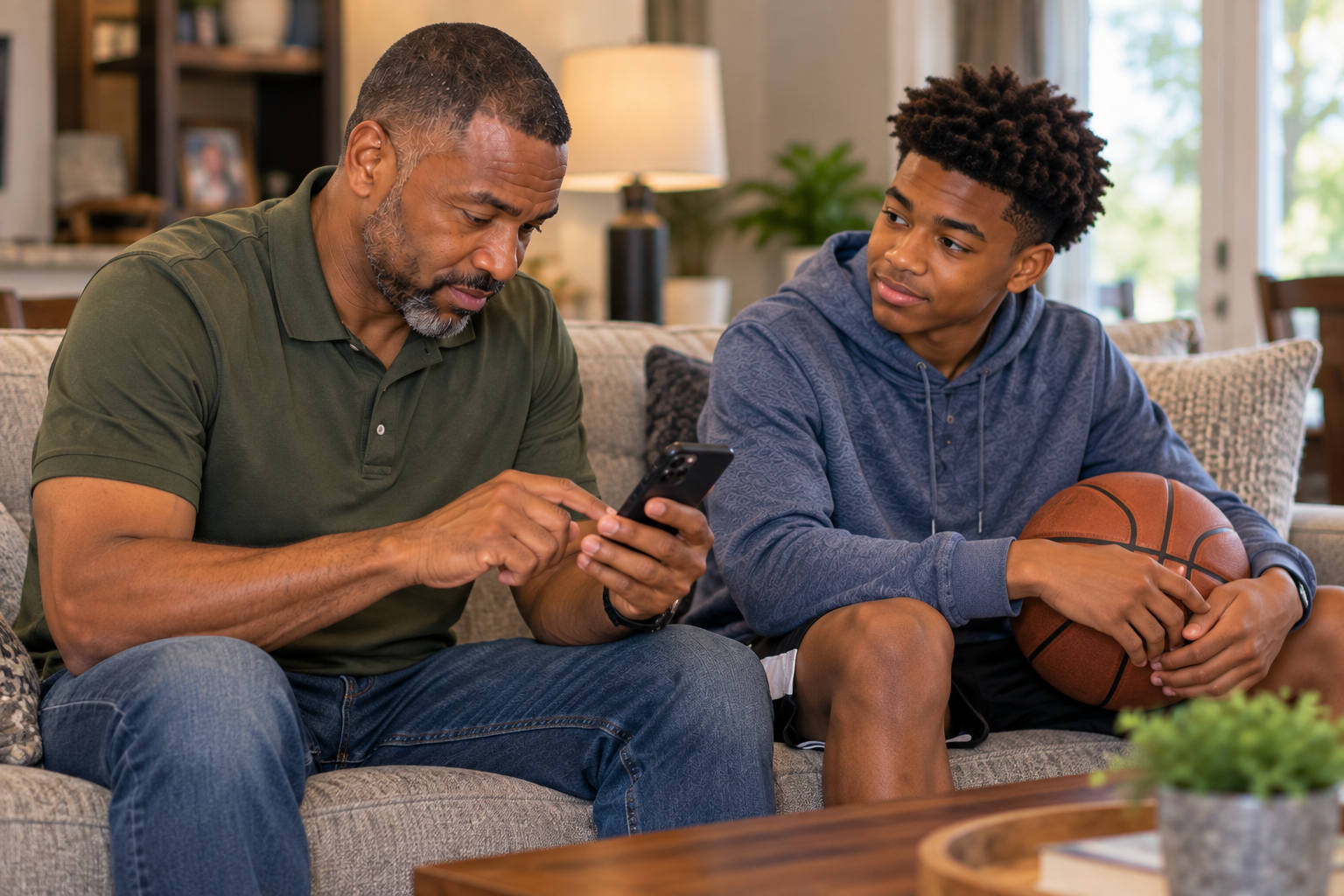
Vague promises are easy to escape. “We’ll do something this weekend” can mean almost anything. “I’ll pick you up Saturday at ten and we’ll go to the park” gives both you and your child something concrete to expect.
Specific commitments also teach children how to make better promises themselves. Instead of “I’ll clean my room later,” they can learn to say what they will do and when they will do it.
Show Up When It Matters
Children remember presence. They remember the game you attended, the school event you made time for, and the day you drove across town because you said you would be there. You will not make every event, especially when work schedules, distance, and shared custody complicate family life. But when you have committed to being somewhere, treat that commitment as real.

Let Your Children See the Work Behind Reliability
Keeping your word often requires planning. You may have to leave work on time, set a reminder, put gas in the car, move another appointment, or prepare the night before. Letting your children occasionally see that effort teaches an important truth: dependable people are not magically more organized. They build habits that help them follow through.
Do Not Use Divorce as an Excuse for Everything
Divorce can make promises harder to keep. Schedules change. Transportation becomes complicated. Another household affects timing. Some changes will genuinely be outside your control. But your children should not hear every disappointment turned into an accusation against their mother.
When plans change, explain what they need to know, take responsibility for the part that belongs to you, and focus on what can happen next. That teaches emotional control along with integrity.

Follow Through on Consequences Too
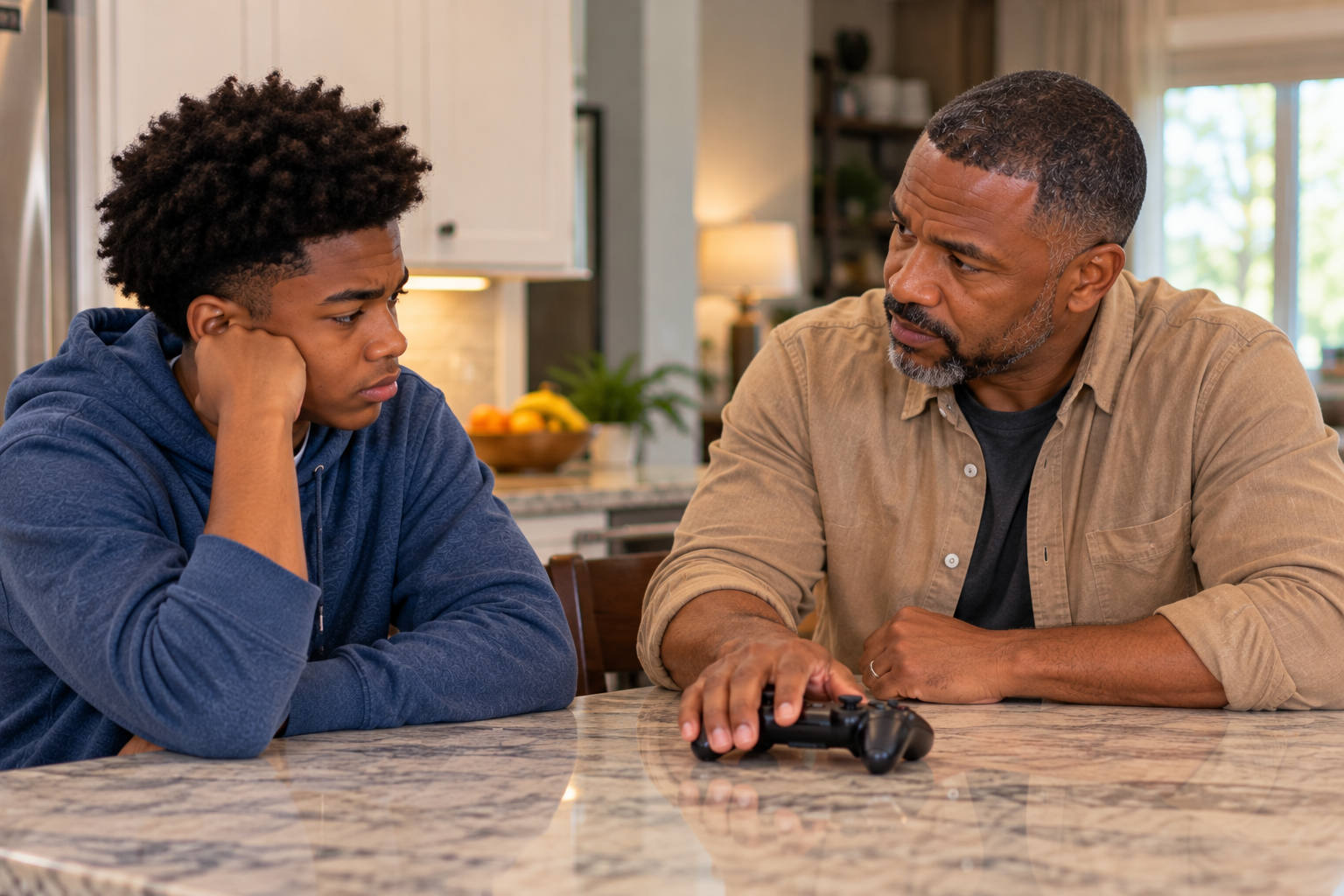
Your word does not only matter when you promise something enjoyable. It also matters when you establish a boundary. If you tell your son that ignoring a responsibility means losing gaming time, then repeatedly abandon the consequence because enforcing it is uncomfortable, he learns that your words are negotiable.
Consequences do not need anger. In fact, calm follow-through is usually stronger. You said what would happen, the choice was made, and now you quietly do what you said.
Let Them See You Keep Your Word to Other People
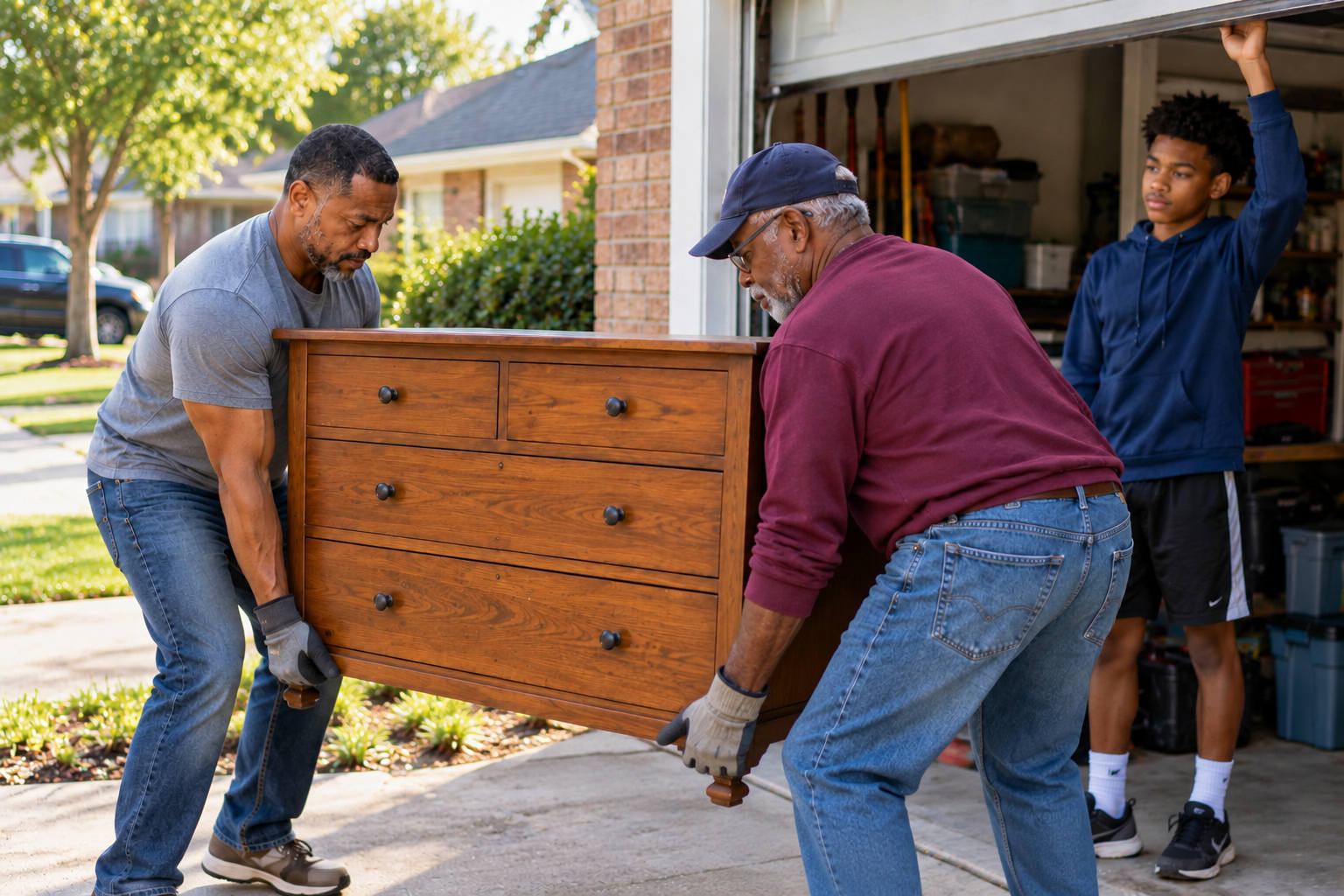
Your children are also watching how you treat people who cannot discipline you. If you tell a neighbor you will help on Saturday and then show up, your children see integrity outside the parent-child relationship. If you borrow something and return it when promised, pay what you owe, arrive when expected, and finish work you agreed to do, you make reliability part of your identity.
When You Break Your Word, Own It
You are going to fail sometimes. You will forget, run late, misjudge what you could accomplish, or make a promise you should not have made. Your credibility does not require perfection. It requires honesty when you fall short.
Do not hide behind “something came up” when the real problem was poor planning. Tell your child what happened, apologize without making them comfort you, and explain what you will do differently. That may be one of the strongest integrity lessons you ever teach.

Do Not Demand a Standard You Refuse to Live By
It is difficult to teach a teenager that excuses are unacceptable while constantly making excuses yourself. If you expect chores to be finished, appointments to be respected, borrowed items to be returned, and commitments to be honored, your children need to see you practicing the adult version of those same standards.
That does not mean pretending parents and children have identical responsibilities. It means showing that accountability does not disappear when someone becomes an adult.
Give Your Kids Opportunities to Practice Keeping Their Word
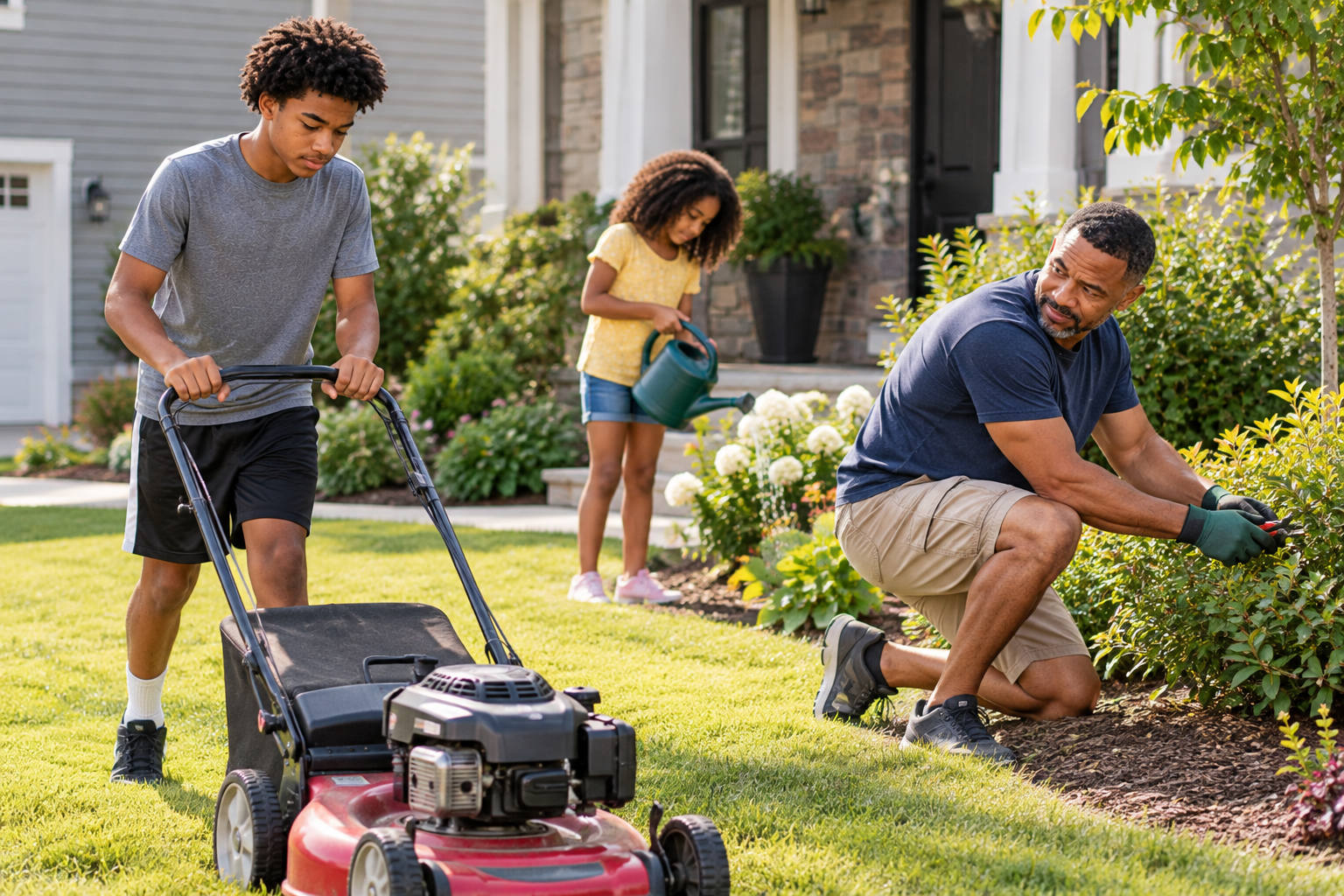
Integrity becomes stronger through use. Give your children responsibilities that are real enough to matter but appropriate for their age. Let your son commit to mowing the lawn. Let your daughter promise to finish a household task before an activity. Then resist the urge to hover over every step.
The goal is for them to experience the connection between saying, doing, and becoming trusted.
Notice Follow-Through, Not Just Failure
If the only time you discuss integrity is when your child breaks a promise, keeping their word starts to feel like another way to avoid punishment. Notice when they do what they said. You do not need to turn it into a ceremony. A simple “You said you’d handle it, and you did” connects behavior with character.
That kind of recognition helps children see reliability as something they are capable of becoming, not merely a rule imposed by Dad.
Teach Them That Their Word Affects Other People
Children often think about a broken promise mainly in terms of whether they will get in trouble. Help them see the larger effect. When someone counts on you, your decision affects their time, plans, money, feelings, and willingness to trust you next time.
This is where responsibility becomes more than obedience. Your child begins to understand that keeping a commitment is one way of respecting another person.
Do Not Confuse Changing a Plan With Breaking Your Word
Life changes, and responsible people sometimes need to renegotiate a commitment. Teach your children that integrity does not mean blindly following a plan when circumstances genuinely change. It means communicating early, telling the truth, and taking responsibility for the change.
A child who learns this distinction is less likely to hide mistakes or avoid difficult conversations. They learn that trust can survive a changed plan when honesty remains intact.
Trust Should Grow With Evidence
As your children become more reliable, give them more freedom. A teenager who repeatedly comes home when promised, communicates when plans change, and handles responsibilities should experience the benefits of being trustworthy.
This makes integrity practical. Keeping your word is not simply something adults demand. It creates stronger relationships and greater independence.
Your Children Will Remember Your Patterns
Years from now, your kids probably will not remember most of the speeches you gave them about responsibility. They will remember the pattern. Dad showed up. Dad did what he said. Dad admitted it when he was wrong. Dad did not make promises just to sound good. Dad could be counted on.
That pattern becomes part of their definition of what a trustworthy man looks like.
Become the Example Instead of the Lecturer
The strongest lesson in keeping your word is a life your children can observe. Make commitments carefully. Put them on your calendar. Follow through when it is inconvenient. Enforce the boundaries you establish. Admit your failures. Repair what you can. Give your children chances to practice the same standard.
You do not need to announce that you are teaching integrity. Live in a way that makes the lesson difficult to miss.

The Standard
Make Your Word Something Your Children Can Trust
Your kids do not need a perfect father. They need one whose promises mean something, whose mistakes are owned, and whose everyday behavior shows that honesty and follow-through are worth the effort.