Create Emotional Safety
Make home and time with Dad a place where children can speak honestly, ask difficult questions, and express feelings without being mocked, dismissed, or pressured to take sides.
Fatherhood
Divorce changes a child's family structure, but it does not have to weaken a child's emotional foundation. This hub is designed to help fathers create security, encourage honest communication, build resilience, and remain a steady source of support as their children grow.
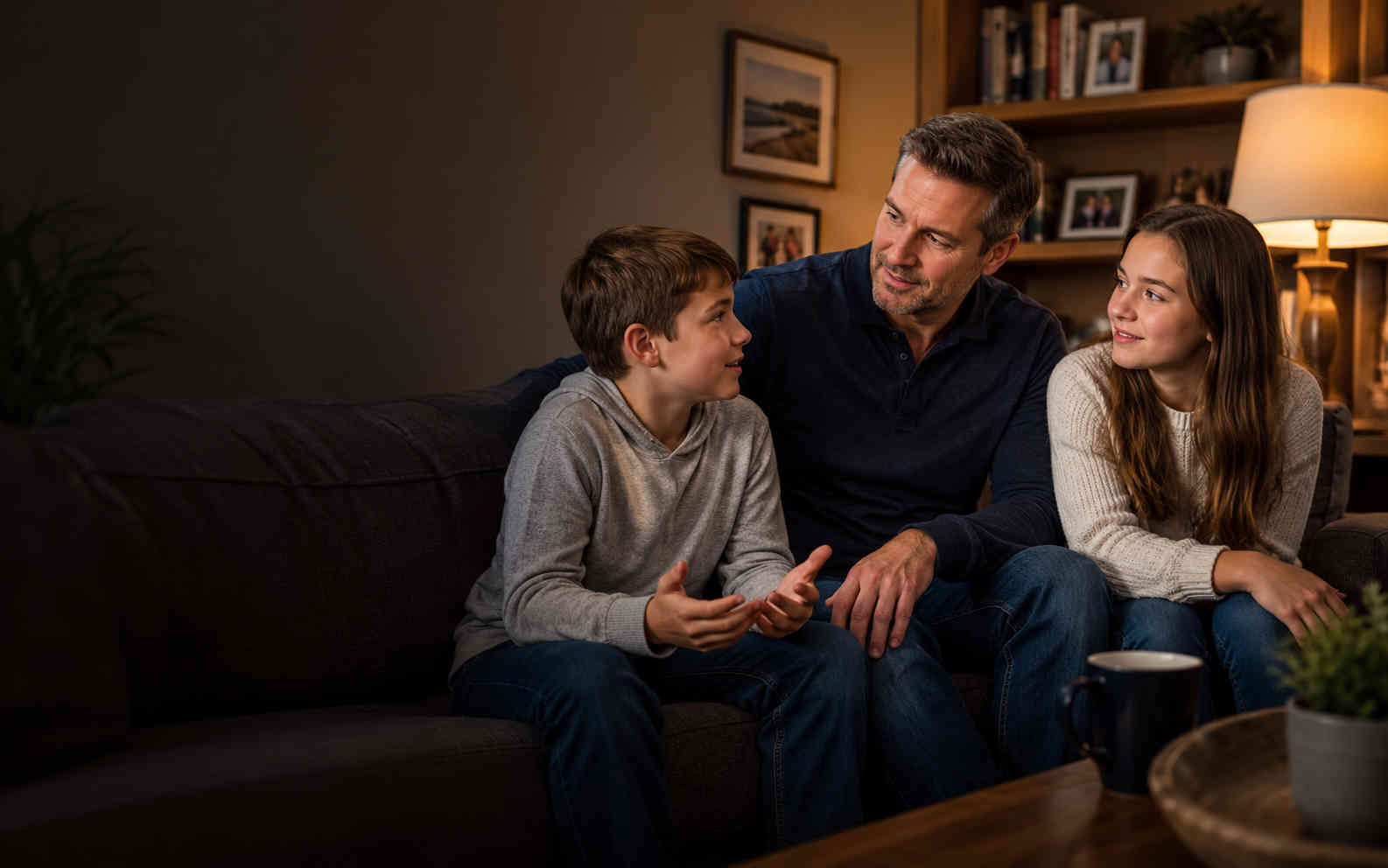
Children do not need a perfect father. They need a father who is dependable, emotionally available, willing to listen, and able to make them feel safe being themselves.
After divorce, children may experience sadness, anger, confusion, divided loyalties, fear of change, or uncertainty about where they fit. Some children talk openly about those feelings. Others become quiet, irritable, withdrawn, overly agreeable, or unusually independent.
Raising emotionally healthy children means giving them a stable relationship in which emotions can be expressed without shame, problems can be discussed without fear, and love does not depend on choosing sides between parents.
Strong Emotional Foundations
These areas provide a practical foundation for helping children understand emotions, trust their relationship with you, and develop the confidence to handle challenges.
Make home and time with Dad a place where children can speak honestly, ask difficult questions, and express feelings without being mocked, dismissed, or pressured to take sides.
Help children name what they feel, explain what happened, listen to other viewpoints, and learn that conflict can be handled without yelling, withdrawal, or blame.
Support children through disappointment and change while giving them age-appropriate responsibility, encouragement, and confidence in their ability to recover from setbacks.
Fatherhood Articles
Explore these guides to help your children communicate honestly, feel safe telling you the truth, develop security and resilience, build confidence without entitlement, and learn the importance of keeping their word through your example.

Learn how to create natural opportunities for your child to open up, listen without immediately trying to fix the problem, and make difficult emotions easier to discuss.
Read Article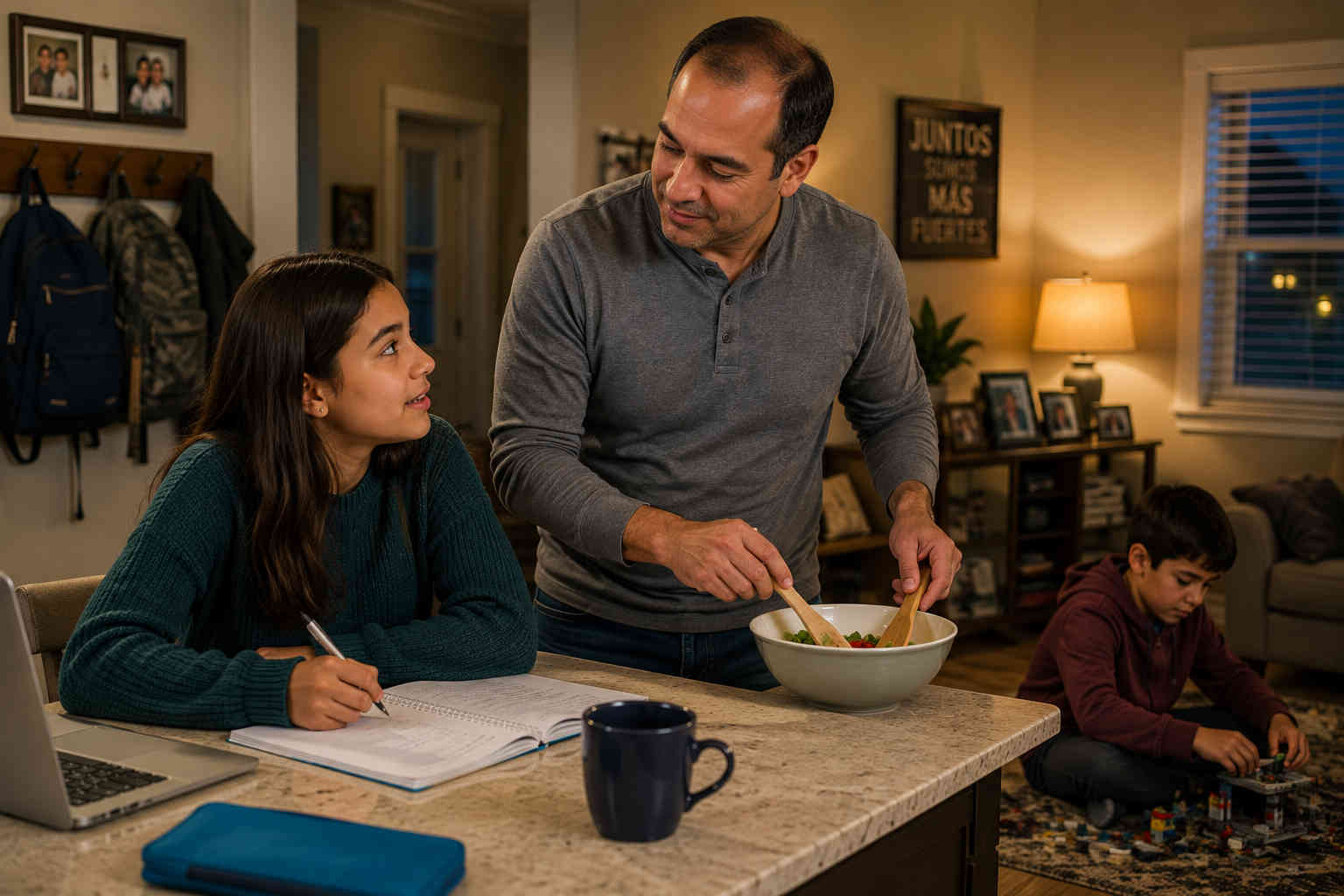
Discover how dependable routines, emotional availability, familiar traditions, and consistent follow-through can help your children feel grounded in Dad's home.
Read Article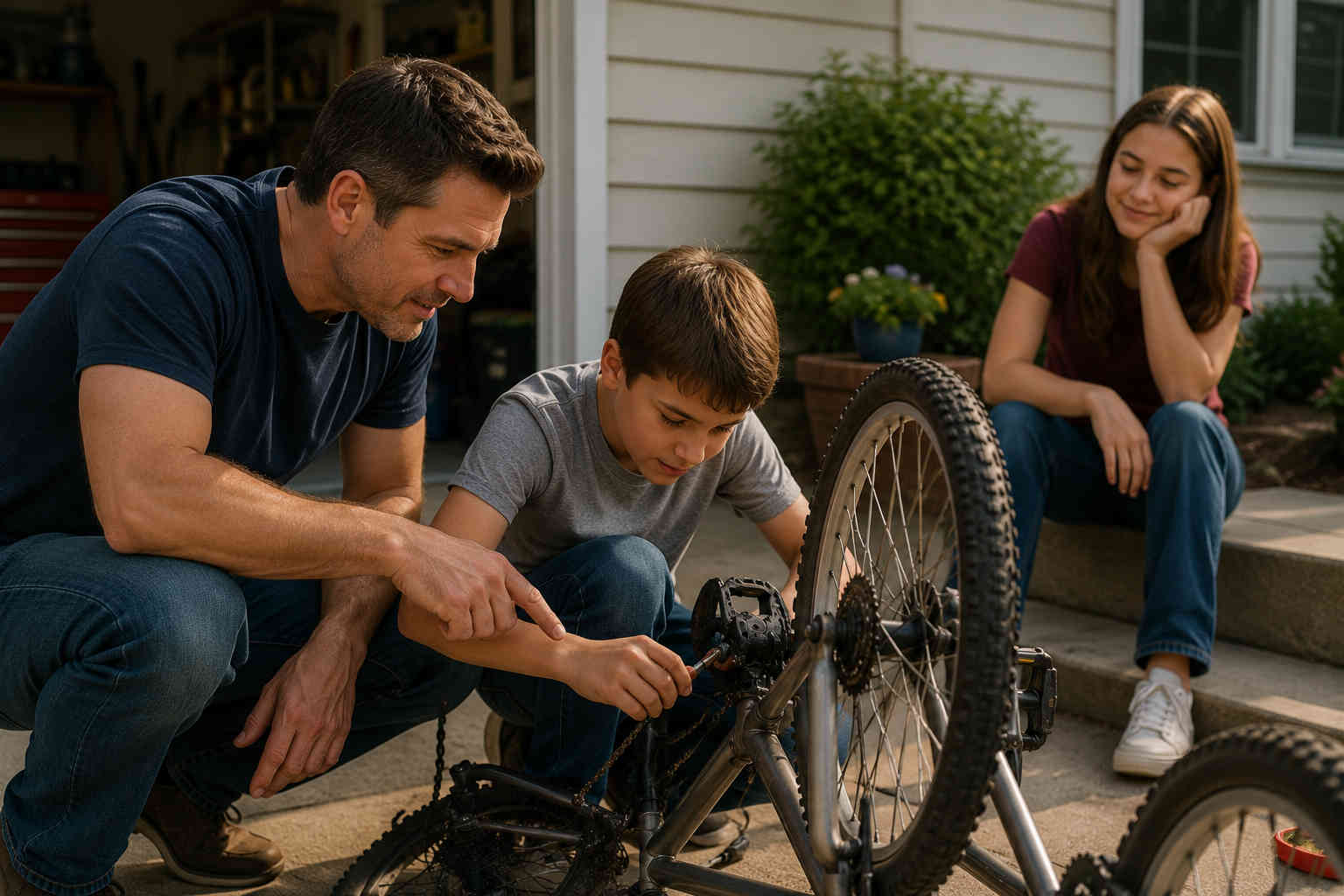
Help your children learn to work through frustration, recover from setbacks, adapt to change, and develop confidence in their ability to handle difficult moments.
Read Article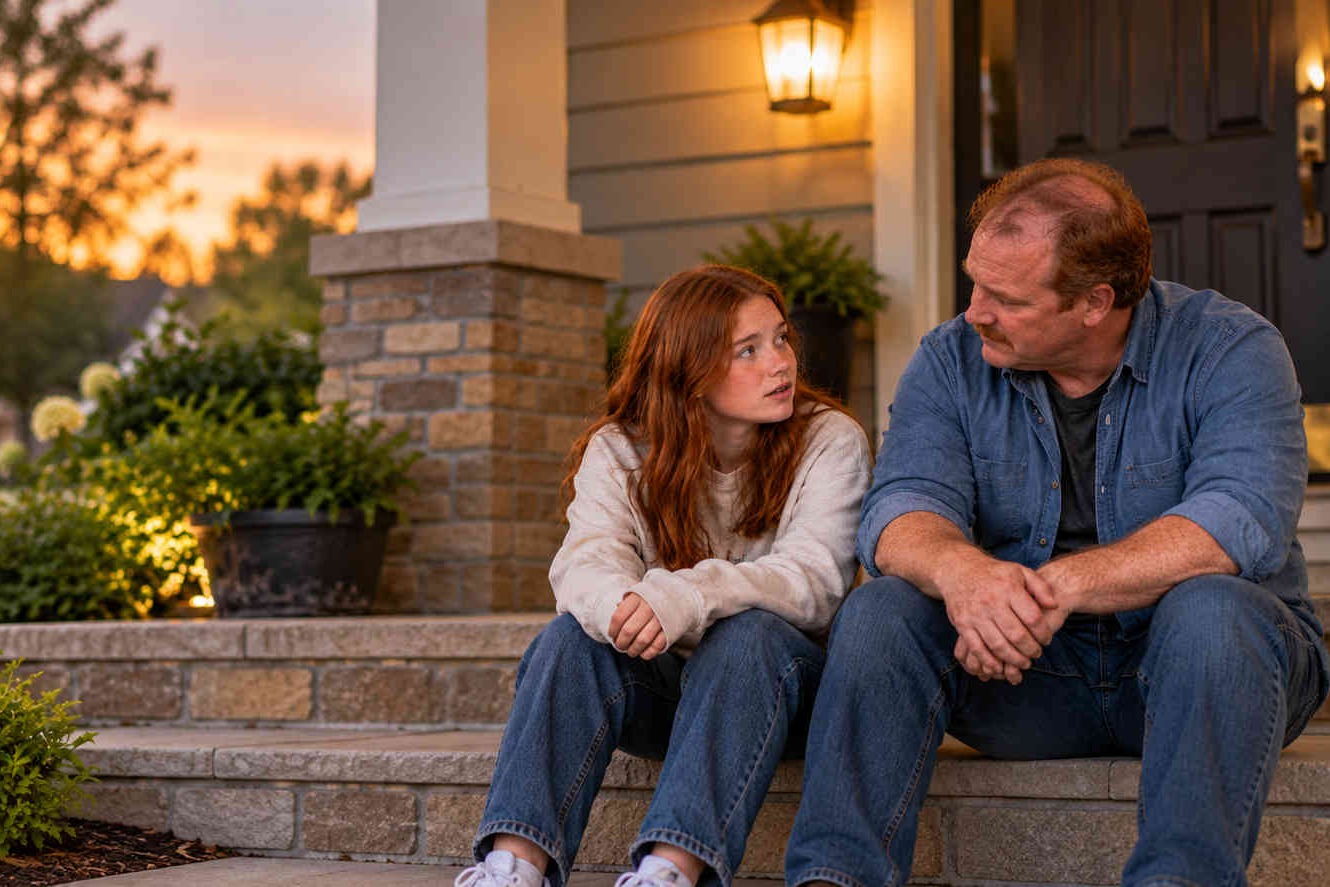
Create a relationship where your child can admit mistakes, share difficult experiences, and tell you the truth without fearing that honesty will automatically lead to anger, shame, or rejection.
Read Article
Help your child develop genuine confidence while also learning gratitude, responsibility, empathy, effort, and respect for other people instead of expecting special treatment.
Read Article
Show your children what reliability looks like by following through on your own promises, acknowledging when you fall short, and teaching them that their word should mean something.
Read ArticleEmotionally healthy children are not children who never feel upset. They are children who gradually learn that emotions can be understood, expressed, managed, and discussed with people they trust.
You cannot remove every difficult emotion or protect your children from every disappointment. You can give them something more valuable: a dependable father who listens, stays connected, models emotional strength, and helps them learn that difficult feelings can be handled without losing love, security, or self-respect.
Back To Fatherhood