The Relationship Is Still Being Written
Divorce Changes The Rhythm Of Fatherhood
Divorce changes more than your relationship with your former spouse. It can change the rhythm of your relationship with your children, too.
Before the divorce, you may have seen your kids every morning. You knew who took forever in the shower, who left cereal bowls in the sink, who needed reminding about homework, and who wanted to talk when everyone else was ready for bed.
Then suddenly, you may be seeing them every other weekend, several evenings a week, or according to a parenting schedule hanging on the refrigerator.
That difference can hurt.
Some fathers respond by trying to make every minute with their children special. Others become discouraged when their kids seem distant. Some do not know what to say about the divorce, so they avoid talking about anything uncomfortable.
But reconnecting with your children after divorce usually does not happen through one emotional conversation, an expensive vacation, or a perfectly planned weekend. It happens through something much less dramatic: you become a dependable part of their lives again.
Your children need enough experiences with you to discover that even though the family has changed, their relationship with their father has not disappeared.
Understand That Your Children Experienced A Divorce Too
You know what the divorce cost you. Your children experienced a different version of the same event.
Maybe they moved between houses for the first time. Perhaps they changed bedrooms, schools, neighborhoods, or routines. Holidays may suddenly require schedules. Birthdays may involve two celebrations instead of one. They might have stopped seeing you every day without fully understanding why.
Adults understand concepts like custody arrangements, marital incompatibility, financial settlements, and irreconcilable differences. A nine-year-old may understand something much simpler: Dad does not live here anymore.
That is why rebuilding your relationship with your child after divorce begins with seeing the situation from your child's perspective.
Do not immediately interpret distance as rejection. A child who barely talks during the first hour at your house may simply need time to transition. A teenager who prefers spending Saturday night with friends may be behaving like a teenager rather than deliberately avoiding you. A younger child who becomes upset when it is time to switch houses may be struggling with transitions rather than choosing one parent over another.
Before reacting emotionally, ask yourself: What might this situation feel like from my child's side? That question can prevent many unnecessary conflicts.
Don't Try To Make Up For Lost Time
One of the easiest mistakes for divorced fathers to make is turning parenting time into entertainment time.
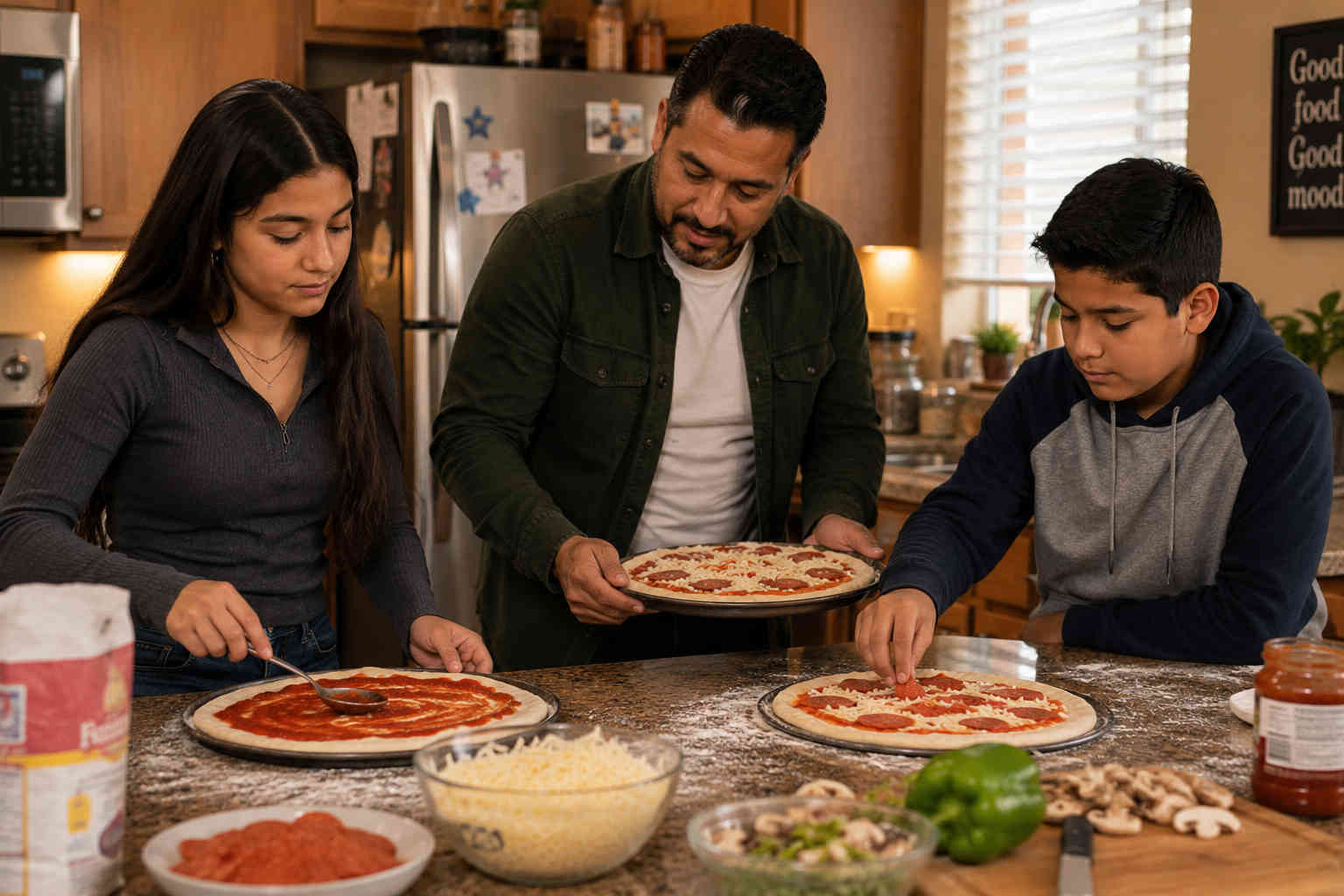
You only have the kids for the weekend, so you want the weekend to count. Friday becomes pizza and movies. Saturday becomes an amusement park, sporting event, shopping trip, or expensive dinner. Sunday morning includes another activity before returning them home.
There is nothing wrong with having fun with your children. The problem begins when you believe you must constantly entertain them to maintain your relationship.
Your children do not only need special-event Dad. They need regular Dad.
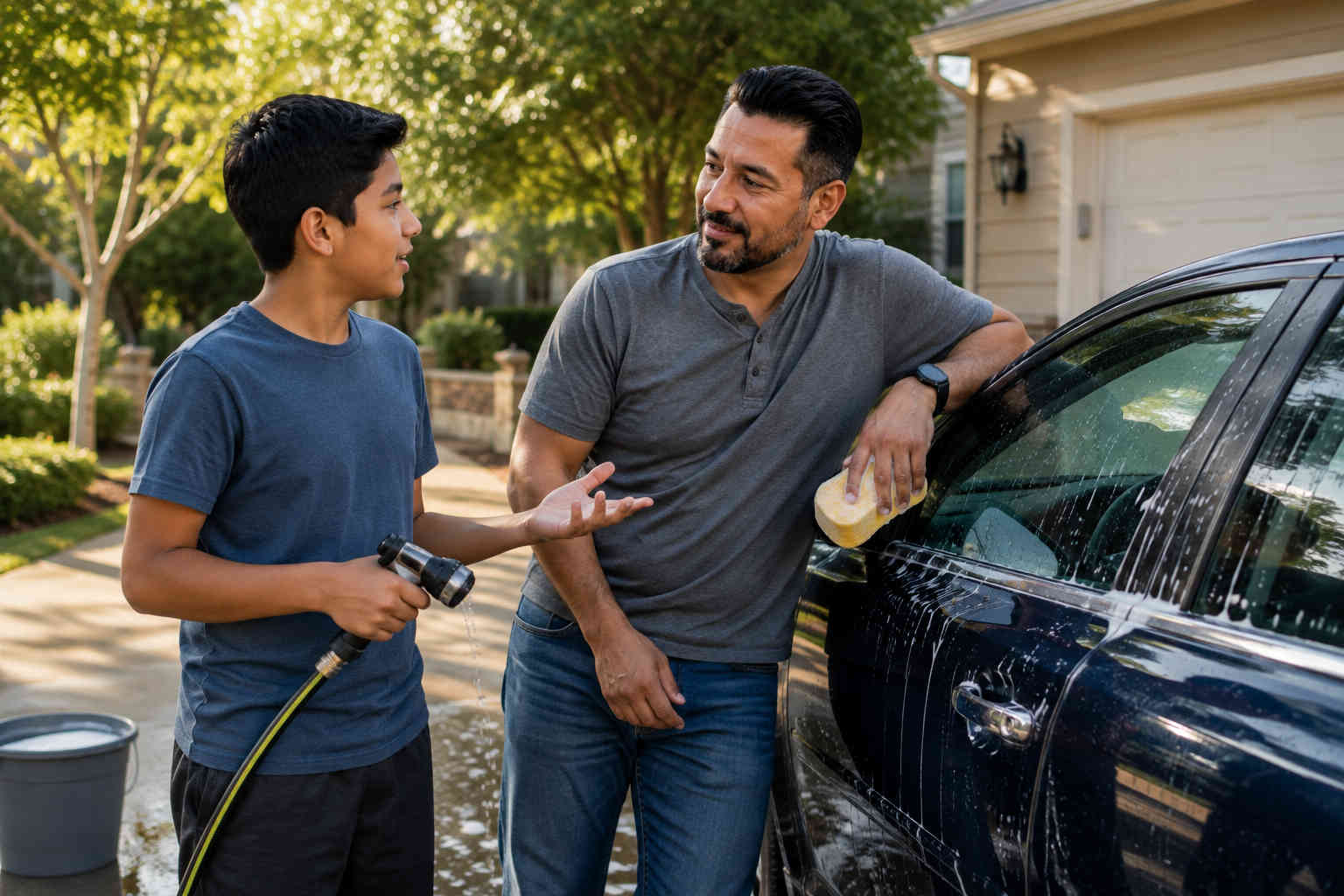
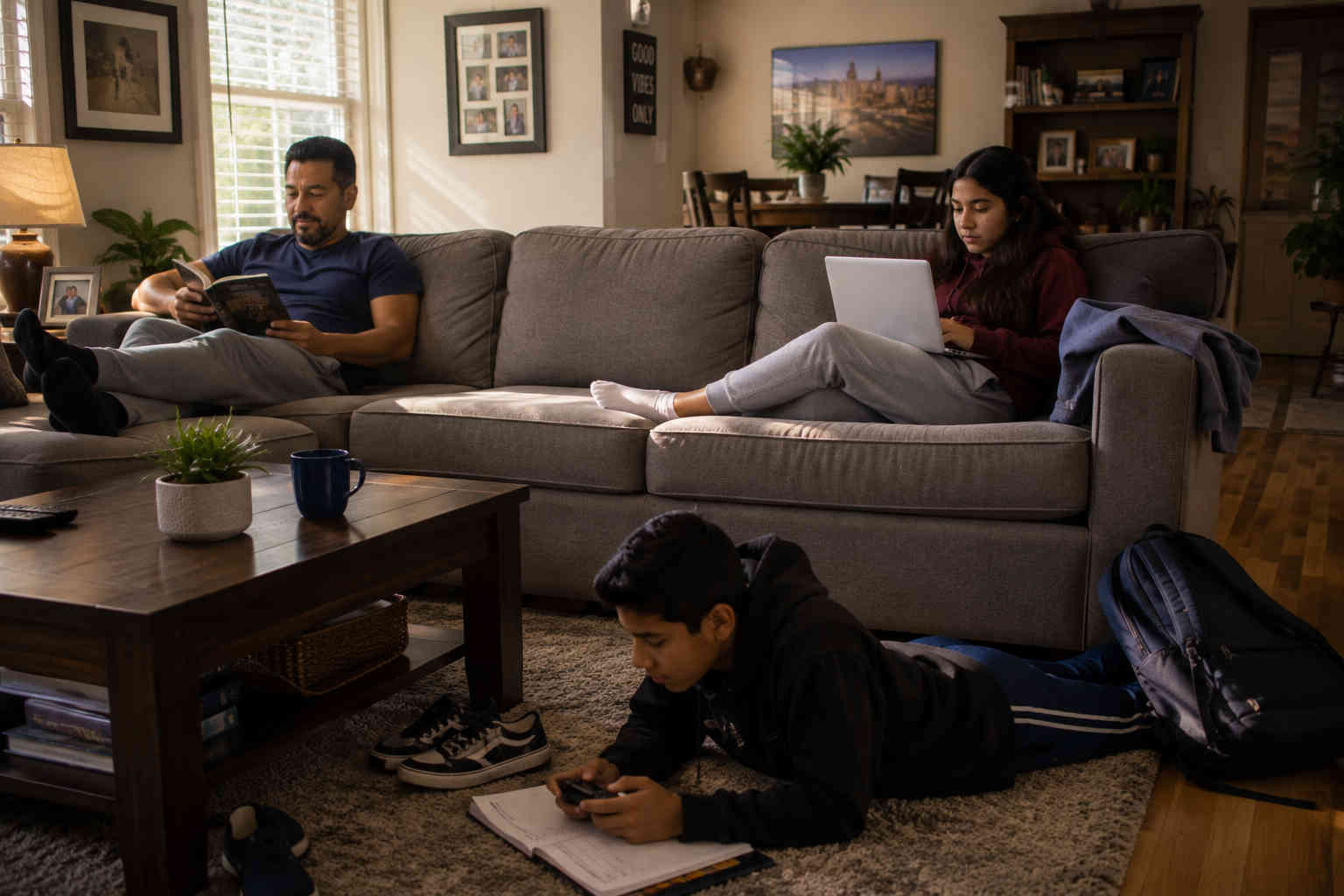
Let them see you grocery shopping. Cook dinner together. Ask them to help wash the car. Sit in the living room while they do homework. Drive them to soccer practice. Make pancakes badly and laugh about it. Watch half a movie because everybody gets tired.
Those ordinary moments are enormously important because they make your home feel like part of their normal life rather than a place they visit for scheduled entertainment.
You are not competing for customer satisfaction. You are being their father.

Create Small Traditions That Belong To Your Relationship
When reconnecting with kids after separation, consistency can be more powerful than extravagance.
Create a few traditions that your children can associate specifically with their time with you. They do not need to cost much.
Maybe Saturday morning means pancakes. Perhaps you always stop for a milkshake after baseball practice. Maybe Wednesday night is taco night. You might take a walk after dinner, play cards before bedtime, make homemade pizza once a month, or watch one episode of a television series together every visit.
The activity itself is not the important part. The repetition is.
A tradition quietly tells a child: This is something Dad and I do.
Over time, those small rituals create continuity between visits. Eventually your child may start reminding you: “Are we still making pancakes Saturday?”
That is a small sentence with a much bigger meaning. Your child expects there to be another Saturday with you.

Become Predictable In Ways That Matter
If you are trying to repair a father-child relationship after divorce, reliability matters tremendously.
Do not repeatedly tell your children how important they are to you while behaving unpredictably. Show them.
If you say you will call Wednesday at 7:00, call Wednesday at 7:00. If you are picking them up Friday at 5:30, do not routinely arrive at 6:15. If you promised to attend the school play, put it on your calendar. If you said you would help with a project, remember.
Children notice patterns.
One forgotten phone call probably will not damage your relationship. But repeated disappointments can teach them not to expect much from you.
The opposite is also true. Every kept promise becomes evidence.
Dad Said He Would Come. Dad Came.
Dad said he would call. Dad called. Dad remembered my game. Dad asked how my test went. Dad knows what is happening in my life.
Trust Is Built From Small Proof
Rebuilding trust with children after divorce rarely requires a dramatic gesture. It requires enough ordinary promises kept in a row that your child starts believing your word again.

Learn Their Current Life, Not The Life You Remember
Divorce sometimes creates gaps in a father's knowledge of his children's everyday lives.
You may remember what your son loved six months ago. That does not necessarily mean he loves it now. Children change quickly. Their friendships change. Music changes. Games change. Teachers change. Interests change. Problems change.
Instead of assuming you already know your children, become curious about who they are becoming.
Ask specific questions. Instead of “How was school?” try “How did that science presentation go?” Instead of “Everything okay?” try “Are you and Marcus still working on that project together?” Instead of “Did you have a good game?” try “Did Coach keep you at shortstop today?”
Specific questions communicate something generic questions often do not: I have been paying attention.
Keep track of the names that matter to them—their friends, teachers, coaches, coworkers, favorite musicians, and even the person they are currently annoyed with.
Knowing their world helps you remain part of it.

Don't Interrogate Them About The Other House
Your child should not feel like a courier traveling between two competing governments.
When your children return from their other parent's home, avoid turning the conversation into an investigation.
Questions like “Who was there?” “What did your mother say?” “Did she go somewhere Saturday?” or “Is that guy still coming around?” may seem harmless in the moment, but they can make children feel caught between parents.
They may start monitoring what they say because they are worried about upsetting you. That is the opposite of emotional closeness.
Your home should be somewhere they can talk freely without worrying that ordinary information will trigger anger, jealousy, or criticism.
If they tell you something about their mother's house, listen. If something legitimately concerns their safety or welfare, handle it appropriately as an adult. Otherwise, do not make your child responsible for supplying intelligence about your former spouse's life.
Give Them Permission To Love Both Parents
One of the most valuable things a divorced father can give his children is freedom from emotional loyalty tests.
Your child should never believe loving their mother somehow betrays you.
If they had a great weekend with her, let them tell you about it. If she gave them something they love, do not diminish it. If they miss her while they are staying with you, do not take it personally.
You do not lose your position as their father because they have a strong relationship with their mother. In fact, demonstrating that you can tolerate their affection for both parents can make children feel safer with you.
They do not have to protect your feelings. They can simply be your kids.
Stop Trying To Get Them To Understand Your Side
Maybe you believe your former spouse caused the divorce. Maybe you are angry about what happened. Maybe your children have heard a version of the story you believe is unfair.
The temptation to defend yourself can be enormous. But your child does not need to become the jury in your divorce.
There may eventually be age-appropriate conversations about what happened, particularly as children become adults and ask more sophisticated questions. That is different from recruiting them into your conflict.
Avoid statements like “You'll understand what your mother is really like someday,” “I didn't want this divorce,” “Ask your mother why that happened,” or “Your mom took everything.”
Those statements may temporarily make you feel heard, but they put your child in an impossible position.
Your relationship with your children should not depend on winning the historical argument about your marriage. Build the relationship based on how you behave now.

Apologize When You Actually Got Something Wrong
Some fathers fear that apologizing to their children weakens their authority. Usually, the opposite happens.
Suppose you lost your temper. You missed something important. You became emotionally unavailable during the divorce. You made promises you could not keep. You said things about their mother that you should not have said.
Own it.
A meaningful apology does not need a ten-minute explanation. You can say, “I shouldn't have said that about your mom. I was angry, but you shouldn't have been put in the middle. I'm sorry.”
Notice what is missing? No excuse. No “but she started it.” No request for your child to reassure you.
You simply acknowledge your mistake and behave differently afterward.
Children do not need a flawless father. They need a father who can recognize when he is wrong.

Connect Differently With Teenagers
Reconnecting with a teenager after divorce can require a different strategy than reconnecting with a younger child.
Teenagers are already becoming more independent. They have friends, activities, jobs, dating relationships, sports, school responsibilities, and their own plans.
A rigid insistence that “this is my weekend” can sometimes turn parenting time into something the teenager resents.
That does not mean disappearing whenever your teenager wants to do something else. It means making room for their developing independence.
Maybe your daughter wants to attend a friend's birthday party during your weekend. Take her. Maybe your son has practice Saturday morning. Go watch. Maybe they want friends to come to your house. Make your home welcoming.
Your goal is not to isolate your teenager from their normal life so you can have uninterrupted access to them. Your goal is to become part of the life they are actually living.
Use Technology To Maintain Connection Between Visits
If you have limited parenting time after divorce, your relationship does not have to disappear between scheduled visits.
Use technology naturally. Send a funny photo. Text before a test. Ask how the game went. Send them something related to an interest you have discussed. Call occasionally. Video chat when appropriate.
But avoid turning digital communication into attendance monitoring. Ten unanswered messages are not connection. They are pressure.
Think quality rather than quantity. A simple message—“Good luck on your presentation today. You've got this.”—can tell your child that you are thinking about something important happening in their world.
That is often more meaningful than repeatedly asking, “What are you doing?”
Give Each Child Individual Time
If you have multiple children, do not assume family time automatically creates an individual connection with each one.
Children experience divorce differently. One child may talk constantly. Another may withdraw. One may want physical affection. Another may prefer doing something together without discussing feelings.
Find occasional opportunities to spend individual time with each child.
Take one to breakfast. Run an errand together. Go fishing. Take a walk. Drive somewhere without siblings in the car.
You may discover that the child who says almost nothing at the dinner table suddenly talks during a twenty-minute drive.
Do not force those conversations. Create situations where they can happen.
Don't Make Every Conversation About The Divorce
You should be willing to discuss the divorce when your children need to. But divorce should not become the central subject of your relationship.
Talk about ridiculous things. Sports. Movies. Cars. Music. School gossip. Video games. Food. College. Their first job. Something strange you saw at the grocery store.
A relationship becomes exhausting when every interaction feels like a therapy session.
Your children need emotional safety, but they also need laughter and normalcy.
Sometimes reconnecting with your children after divorce means talking honestly about something painful. Sometimes it means arguing over which pizza topping is terrible.
Both can matter.
Don't Demand Evidence That The Relationship Is Improving
You may be watching closely for signs that you are reconnecting. Are they talking more? Do they seem happier at your house? Why did they not hug you? Why have they not called? Why do they text their friends constantly but barely text you?
Be careful. Children should not become responsible for reassuring you that you are still important.
If you constantly measure their affection, they may begin feeling pressure whenever they are around you.
Instead, focus on what you control. Are you present? Are you dependable? Are you interested? Are you listening? Are you respecting their boundaries? Are you keeping promises? Are you creating opportunities to spend time together?
Keep doing those things without demanding immediate emotional payment.
Understand That Reconnection May Happen Quietly
You may be waiting for a dramatic moment. Perhaps you imagine your child eventually saying, “Dad, I'm glad we're close again.” Maybe that happens.
More often, rebuilding a relationship after divorce looks much less dramatic.
Your daughter starts leaving her things at your house because she assumes she will be back. Your son asks whether you can drive him to practice. Your teenager walks into the kitchen, opens your refrigerator without asking, and complains that you never buy the good snacks.
One child sends you a meme in the middle of the week. Another asks your opinion about a problem with a friend. Someone falls asleep on your couch. Someone asks whether you are coming to the game.
These moments may seem ordinary. They are not. They mean your children are beginning to experience you as part of their everyday world again.
Build A Relationship That Can Survive The New Family Structure
You cannot recreate the exact family life that existed before the divorce. Trying to do so may keep you focused on what was lost.
Instead, build something that works within the life you have now.
Your relationship with your children can become strong even if you do not live under the same roof every day.
You can become the father they call when they need advice. The father who knows their friends. The father sitting in the stands. The father who remembers the interview. The father who helps them move into their first apartment. The father they can disagree with without fearing you will disappear. The father whose house still feels like home.
That relationship is not created by a custody calendar. It is created by years of showing up.
Final Thoughts: Don't Chase The Old Relationship—Build The Next One
After divorce, it is natural to miss the relationship you once had with your children.
You may miss breakfast before school, hearing them walk through the house, spontaneous conversations, or simply knowing they were sleeping down the hall.
You cannot rewind your family to the day before everything changed. But that does not mean your best years as a father are behind you.
Your relationship with your children is still being written.
Do not try to force closeness. Create the conditions where closeness can grow.
Listen without interrogating. Keep your promises. Learn what is happening in their lives. Give them permission to love both parents. Apologize when you are wrong. Build small traditions. Show up when you say you will. And do not underestimate the importance of ordinary time together.
Years from now, your children probably will not remember every activity you planned or every dollar you spent trying to make weekends memorable.
They will remember something much more important: whether Dad was there.
Keep being there.
The Reconnection Rule
Make Your Presence More Reliable Than Your Promises
Your children do not need a perfect father or a perfect weekend. They need repeated evidence that you listen, remember, show up, and make room for them in the life you are building now.