
Men's Health After 50
Is It Low Testosterone, or Is This Just What Getting Older Feels Like?
You're 55 years old. Maybe 58. Maybe you've already crossed 60.
Ten years ago, you could work all day, handle responsibilities at home, and still have enough energy to enjoy your evening. Now, some afternoons, all you want to do is sit in your recliner and close your eyes.
You've noticed other changes, too. Your waistline is expanding even though you don't think you're eating much more than before. Your muscles don't look quite the way they used to. Getting motivated to exercise feels harder. Your interest in sex may have declined. Sometimes your concentration isn't as sharp as you remember.
If you've recently gone through a divorce, the changes can feel even more pronounced. Stress, disrupted sleep, loneliness, financial worries, and changes in your daily routine can leave you feeling physically and emotionally drained.
Then you see an advertisement about low testosterone. It describes fatigue, belly fat, reduced motivation, low sex drive, and declining muscle mass. Suddenly, everything sounds familiar.
Are you experiencing a genuine testosterone deficiency, the normal effects of aging, the consequences of stress and lifestyle changes, or some combination of all three?
The distinction matters because the right treatment depends on what's actually causing your symptoms. Low testosterone is a legitimate medical condition. However, not every tired man over 50 has a hormone deficiency, and testosterone replacement therapy isn't automatically the answer.

1. What Testosterone Actually Does in a Man's Body
Testosterone is often described as the hormone responsible for masculinity. That's an oversimplification. Although testosterone plays an important role in sexual development and reproductive function, it also contributes to several systems that affect how men feel and function throughout adulthood.
Testosterone helps support:
- Sexual desire and aspects of sexual function.
- Muscle development and maintenance.
- Bone strength and density.
- Red blood cell production.
- Sperm production.
- Normal development of male sexual characteristics.
It can also influence body composition, and changes in testosterone may be associated with changes in energy and mood. However, those relationships are complicated. Feeling unmotivated, depressed, or exhausted does not necessarily mean your testosterone is low.
Your body produces most of its testosterone in the testicles. The process is regulated through communication between the brain, pituitary gland, and reproductive system. When that system isn't functioning properly, testosterone production can fall.
Sometimes the cause involves a problem with the testicles themselves. Other times, the issue originates in the brain's hormonal signaling system. Certain medications, medical conditions, excess body fat, and sleep problems can also influence testosterone levels.
This is why diagnosing testosterone deficiency requires more than identifying a few symptoms. It requires looking at the entire picture.
2. How Testosterone Changes After Age 50
Testosterone levels often decline gradually as men get older. However, the decline is not identical for everyone. Some men maintain testosterone levels within the normal range well into their 60s and 70s. Others experience a more substantial reduction.
Researchers have observed that testosterone can decrease gradually across adulthood, but aging itself is only part of the explanation. Changes in body composition, chronic illnesses, medication use, sleep quality, and physical activity can all influence hormone levels.
For example, a man who becomes less active, gains considerable abdominal fat, and develops sleep apnea may experience lower testosterone than another man of the same age who maintains healthier habits. This does not mean that every man can prevent testosterone decline through lifestyle changes. It means that age alone doesn't tell the whole story.
Why belly fat matters
Excess abdominal fat is associated with lower testosterone levels, particularly in men with obesity. The relationship can work in both directions. Low testosterone can contribute to unfavorable changes in body composition, while excess body fat and related metabolic changes can suppress testosterone production.
That creates a situation in which weight gain and declining hormone levels may reinforce each other. For men who have gained weight after divorce, this relationship is worth understanding. A period of emotional stress, poor eating habits, and reduced exercise can affect health in ways that extend beyond the number on the scale.
Still, having belly fat doesn't prove you have low testosterone. Only appropriate medical evaluation can determine that.

3. The Symptoms of Low Testosterone Worth Paying Attention To
Some symptoms are more closely associated with testosterone deficiency than others. One of the most important is a persistent reduction in sexual desire. Other symptoms may include fewer spontaneous or morning erections, erectile difficulties, reduced muscle mass, and changes in physical strength.
Men may also experience fatigue, reduced endurance, difficulty concentrating, or low mood. However, those latter symptoms are less specific. A man with poor sleep, depression, thyroid disease, anemia, or chronic stress can experience many of the same problems.
Sexual changes
A noticeable, persistent decline in sexual desire can be an important clue. For example, a man who previously had a consistent interest in sex but now experiences very little desire may benefit from discussing testosterone testing with his doctor.
Erectile dysfunction can also occur alongside testosterone deficiency, although it is frequently caused by other factors, including cardiovascular disease, diabetes, medication effects, and psychological stress. Low testosterone and erectile dysfunction are not interchangeable diagnoses.
Physical changes
Men with clinically significant testosterone deficiency may experience reduced muscle mass, increased body fat, or decreased bone density. Severe or prolonged deficiency can increase the risk of osteoporosis and fractures.
Some men notice that maintaining strength becomes more difficult. But muscle loss is also associated with aging, inactivity, inadequate protein intake, and certain medical conditions. A man who stops exercising for several years should not automatically assume that testosterone is responsible for his loss of strength.
Energy and mood
Fatigue is one of the most commonly advertised symptoms of low testosterone. Unfortunately, it is also one of the least specific. Poor sleep, anxiety, depression, chronic illness, and numerous other conditions can cause persistent exhaustion.
The same applies to irritability, reduced motivation, and difficulty concentrating. These symptoms deserve attention, but they should not be treated as proof of a hormonal problem.
The most meaningful warning sign is often a combination of persistent symptoms, particularly sexual symptoms, supported by repeatedly low testosterone measurements.

4. Could Your Symptoms Be Caused by Something Else?
This is one of the most important questions in the entire discussion. Imagine two men who are both 57 years old. Both report fatigue, weight gain, reduced motivation, and declining sexual interest.
The first man has consistently low testosterone caused by a hormonal disorder. The second has untreated sleep apnea, chronic stress, and poorly controlled diabetes. Their symptoms may look similar, but their treatment needs are very different.
Prescribing testosterone without investigating other causes could leave the second man's underlying medical problems untreated.
Sleep apnea
Obstructive sleep apnea is common in middle-aged and older men, especially those who are overweight. It causes repeated interruptions in breathing during sleep. A man may spend eight hours in bed and still wake up exhausted.
Common signs include loud snoring, gasping during sleep, morning headaches, and daytime sleepiness. Sleep apnea can also contribute to sexual difficulties and other health problems. If you regularly wake up tired despite spending enough time in bed, ask your doctor whether sleep apnea screening is appropriate.
Thyroid disorders
An underactive thyroid can cause fatigue, weight gain, reduced concentration, and depressed mood. A thyroid-stimulating hormone test may help determine whether thyroid dysfunction is contributing to your symptoms.
Diabetes and metabolic problems
Diabetes and insulin resistance can contribute to fatigue, erectile dysfunction, and other health concerns. Men with obesity or type 2 diabetes may also have lower testosterone levels. Testing blood glucose or hemoglobin A1c may be appropriate depending on your medical history.
Depression and prolonged stress
Divorce can be physically and emotionally exhausting. Even when you believe you've moved past the worst of it, ongoing stress can affect sleep, appetite, concentration, sexual interest, and motivation. Depression can produce many symptoms that resemble low testosterone. Treating a genuine mood disorder is important regardless of testosterone status.
Medications and alcohol
Certain medications can affect hormone levels or sexual function. Examples include long-term opioid medications and glucocorticoids. Some medications used for depression or blood pressure can also contribute to sexual side effects.
Heavy alcohol consumption can interfere with sleep and overall health. Never stop prescribed medication without discussing it with your clinician. The point is not to dismiss testosterone deficiency. It is to avoid overlooking another treatable condition.

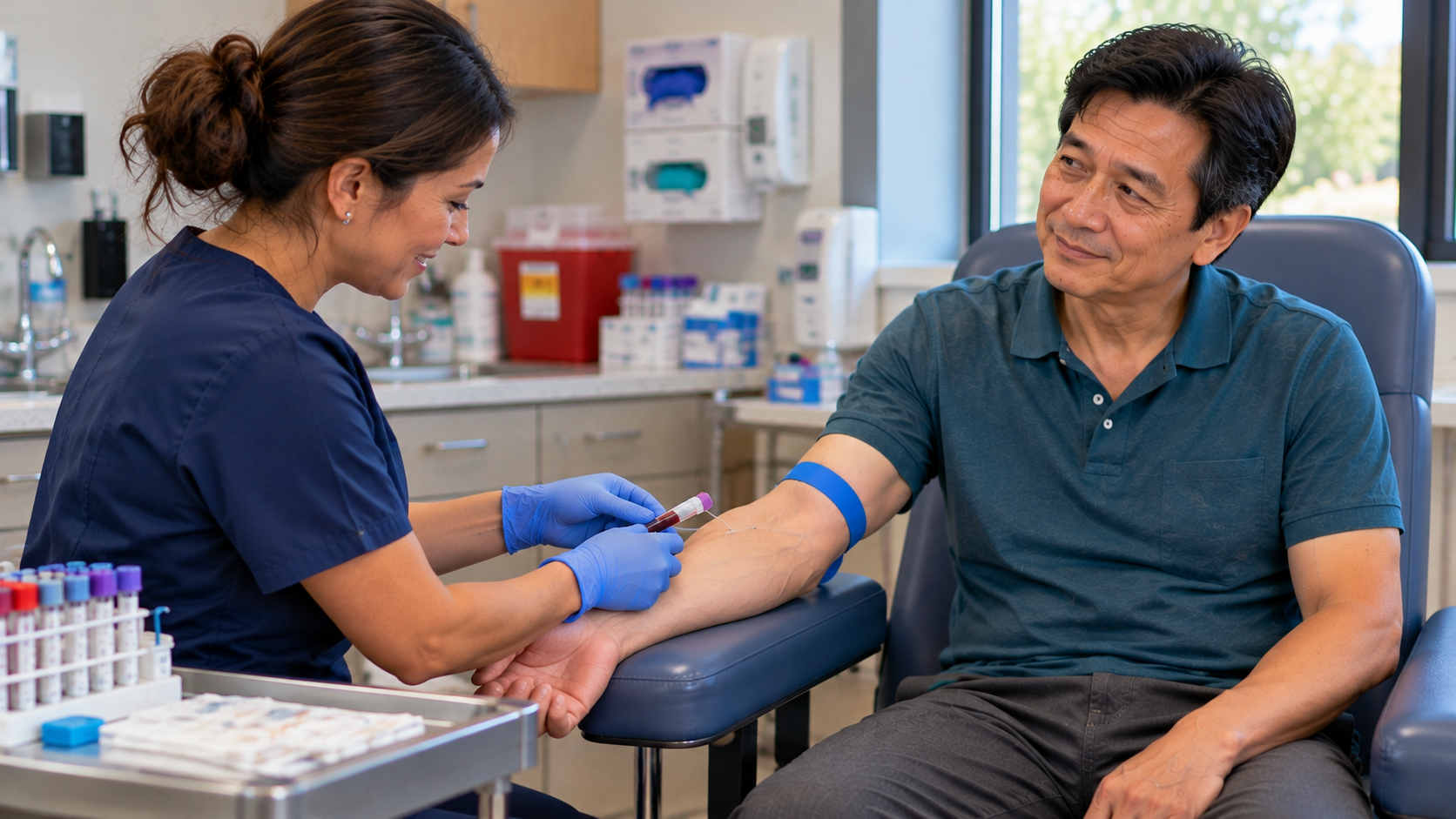
5. The Blood Tests Men Over 50 Should Discuss With Their Doctor
If your symptoms suggest possible testosterone deficiency, appropriate blood testing is the next step. A diagnosis should not be based on an advertisement, an online questionnaire, or a single random blood sample.
Total testosterone
The usual starting point is a blood test measuring total testosterone. For most men, the sample should be collected in the morning, when testosterone levels are generally highest.
Testing conditions matter. Acute illness, poor sleep, and other factors can temporarily influence results. If your initial level is low, your doctor will generally recommend repeating the test on a separate morning.
A diagnosis of testosterone deficiency generally requires compatible symptoms and consistently low testosterone levels.
Free testosterone
Most testosterone in the bloodstream is attached to proteins. A smaller amount circulates as free testosterone. Free testosterone testing or calculation may be useful when total testosterone is borderline or when conditions affecting sex hormone-binding globulin make total testosterone difficult to interpret.
Not every man needs this test. Your doctor can determine whether it adds useful information.
LH and FSH
Luteinizing hormone, or LH, helps regulate testosterone production. Follicle-stimulating hormone, or FSH, contributes to reproductive function. These tests can help doctors distinguish between problems originating in the testicles and problems involving hormonal signaling from the brain.
Prolactin
In certain situations, elevated prolactin can interfere with normal reproductive hormone function. Your clinician may order a prolactin test if your hormone pattern suggests a pituitary-related problem.
Other useful tests
Depending on your symptoms and medical history, your doctor may also consider a complete blood count, thyroid testing, blood glucose or A1c, and other investigations. A complete blood count can identify anemia, which may contribute to fatigue.
If testosterone treatment is being considered, additional baseline evaluation may be needed, including hematocrit and appropriate prostate health assessment.
Tests and evaluations to discuss
- Morning total testosterone: Repeat if low to confirm the finding.
- Free testosterone: May clarify borderline or difficult-to-interpret results.
- LH and sometimes FSH: Help determine the source of a hormonal problem.
- Prolactin: Used when a pituitary-related cause is suspected.
- Complete blood count: Checks for anemia and establishes baseline blood counts.
- TSH: Evaluates thyroid dysfunction when appropriate.
- Glucose or A1c: Checks for diabetes or metabolic problems.
- Sleep apnea assessment: May be needed for persistent fatigue and poor-quality sleep.
This is a discussion guide, not a recommendation that every man over 50 needs every test.
6. What Testosterone Numbers Actually Mean
One of the most confusing aspects of testosterone testing is understanding the numbers. You may see a laboratory report showing a total testosterone level of 280 nanograms per deciliter, abbreviated ng/dL. Is that low?
The answer depends on the clinical context and the diagnostic criteria being used. The American Urological Association uses a total testosterone level below approximately 300 ng/dL as a reasonable threshold supporting a diagnosis, provided appropriate symptoms are present and the result is confirmed.
Other professional guidance emphasizes consistently low levels relative to reliable laboratory reference ranges, alongside compatible symptoms. Different laboratories and testing methods can produce somewhat different reference intervals.
A result slightly below a laboratory cutoff does not automatically mean you need treatment. Similarly, a number inside the reference range does not necessarily explain every symptom you're experiencing.
Consider three examples
Man A: Age 56. He reports persistent low sexual desire and reduced morning erections. Two properly timed testosterone tests show clearly low levels. This combination supports further evaluation for testosterone deficiency.
Man B: Age 59. He complains of fatigue but has no significant sexual symptoms. His testosterone is within the laboratory's reference range. His doctor should investigate other potential causes of fatigue rather than assume testosterone therapy is appropriate.
Man C: Age 61. He has obesity, poor sleep, and a borderline-low testosterone result. He may need repeat testing, evaluation for sleep apnea and metabolic disease, and a broader discussion about treatment options.
These examples demonstrate why testosterone numbers should never be interpreted in isolation. The goal is not to chase the highest possible testosterone reading. The goal is to determine whether a medical deficiency exists and whether treating it is likely to provide meaningful benefit.

7. Can You Improve Testosterone Naturally?
For some men, addressing lifestyle and health problems can improve testosterone levels, particularly when obesity or other reversible factors are involved. Even when testosterone levels do not change dramatically, healthier habits can improve energy, strength, body composition, and overall well-being.
Lose excess body fat
Weight loss in men with overweight or obesity can improve testosterone levels. The degree of improvement varies, and not everyone will experience a large hormonal change. However, reducing excess abdominal fat can provide other important benefits, including improved blood pressure, blood glucose control, and mobility.
Avoid extreme dieting. A sustainable eating pattern is more useful than repeatedly losing and regaining weight.
Start resistance training
Strength training is one of the most valuable habits men over 50 can develop. You do not need to become a bodybuilder. Exercises using dumbbells, resistance machines, resistance bands, or your own body weight can help preserve muscle mass and physical function.
A beginner might start with two or three sessions per week, allowing recovery between sessions. Resistance training does not reliably produce a sustained, clinically significant increase in resting testosterone levels for every man. Its value goes far beyond hormone numbers.
Improve your sleep
Sleep is essential for normal hormonal regulation and overall health. Aim for consistent sleep and wake times, and address problems such as chronic insomnia or suspected sleep apnea. Avoid assuming that simply spending more hours in bed will solve a sleep disorder.
Eat enough nutritious food
A balanced diet should provide adequate protein, healthy fats, vegetables, fruits, and other nutrient-rich foods. Severe calorie restriction and nutritional deficiencies can interfere with normal body function. However, there is no single food proven to dramatically raise testosterone in men who already have adequate nutrition.
Limit heavy drinking
Excessive alcohol consumption can interfere with sleep, liver health, sexual function, and other aspects of physical health. Reducing heavy drinking can help improve overall well-being.
Address chronic stress
Stress reduction is not a guaranteed testosterone treatment. Nevertheless, chronic stress can disrupt sleep, eating habits, exercise routines, and sexual interest. Walking, regular physical activity, maintaining friendships, counseling when needed, and establishing a consistent daily routine can all help.
For a divorced man rebuilding his life, these changes may be especially important. You may discover that some of what felt like hormonal decline was actually the cumulative effect of months or years of poor sleep, inactivity, and emotional exhaustion.

8. When Testosterone Replacement Therapy Might Make Sense
Testosterone replacement therapy, commonly called TRT, is a legitimate medical treatment for certain men with confirmed testosterone deficiency. It is not simply an anti-aging product.
Treatment may be appropriate when a man has persistent compatible symptoms, repeatedly low testosterone levels, and a medical evaluation supporting treatment. The decision should involve a discussion of potential benefits, risks, alternatives, and monitoring requirements.
Potential benefits
In appropriately selected men with testosterone deficiency, treatment may improve sexual desire and certain aspects of sexual function. Some men experience improvements in anemia, bone density, or body composition. The size and consistency of benefits vary.
Testosterone therapy is less reliably effective for nonspecific complaints such as fatigue, memory problems, or low motivation. It should not be presented as a guaranteed solution for all the changes associated with aging.
How treatment is administered
Prescription testosterone is available in several forms, including skin gels and injections. Different formulations have different advantages, disadvantages, costs, and monitoring considerations.
Potential risks and side effects
Testosterone therapy can increase red blood cell concentration, sometimes producing an excessively high hematocrit. It may cause acne or other side effects and can worsen certain medical conditions.
Testosterone therapy also suppresses the body's normal sperm production and can significantly reduce fertility. Men who want to father children should discuss this before beginning treatment.
Blood pressure monitoring is important because testosterone products can increase blood pressure. Cardiovascular safety also requires individualized discussion. Large clinical trials have provided reassuring evidence about some major cardiovascular outcomes in selected men, but certain adverse events and longer-term questions still require attention.
Prostate health and monitoring
Testosterone therapy requires appropriate prostate-related evaluation based on age, risk factors, and clinical circumstances. Men with known or suspected prostate cancer require specialist assessment.
Men receiving treatment need ongoing monitoring of testosterone levels, hematocrit, symptoms, and other relevant health measures. Treatment is not simply a matter of obtaining a prescription and forgetting about it.
What about men whose testosterone is normal?
If your testosterone levels are normal, taking testosterone solely to feel younger is generally not medically justified. More testosterone does not necessarily mean better health. Raising levels beyond what your body needs can introduce risks without providing meaningful benefits.

9. Why Testosterone Clinics Deserve Careful Evaluation
Testosterone clinics have become increasingly visible through online advertisements, social media, and direct-to-consumer marketing. Some provide legitimate medical care. Others may place too much emphasis on selling treatment rather than carefully establishing whether it is needed.
Advertisements frequently highlight fatigue, belly fat, low motivation, and reduced sexual interest. These symptoms are common among middle-aged men, but they are not specific to testosterone deficiency. A responsible clinician should investigate possible causes rather than automatically attribute them to low testosterone.
Questions to ask before starting treatment
- Will my testosterone be measured on two separate mornings if the first result is low?
- How will you determine the cause of the deficiency?
- Could sleep apnea, medications, obesity, or another condition explain my symptoms?
- What benefits should I realistically expect?
- What risks apply to my medical history?
- How will my blood counts, testosterone levels, and other relevant health measures be monitored?
- What happens if my symptoms do not improve?
- How could treatment affect my fertility?
- What are the total costs of medication, appointments, and laboratory monitoring?
Be cautious of any provider promising dramatic muscle growth, restored youth, guaranteed sexual performance, or a complete reversal of aging. Those claims go beyond what responsible medical treatment can promise.
You should also be skeptical of over-the-counter testosterone boosters. Many have limited evidence of effectiveness, and some supplements may contain undisclosed or potentially harmful ingredients.
10. A Practical Health Plan for Men Over 50
If you've been feeling older than your age, you don't need to guess about what's happening. A structured approach can help you identify problems worth treating.
First: Pay attention to persistent changes
Think about what has changed over the past six to twelve months. Have you experienced a substantial decline in sexual desire? Are you consistently exhausted despite adequate time for sleep? Have you noticed changes in strength, body composition, or physical endurance? Are you experiencing erectile difficulties?
Second: Schedule a medical evaluation
Explain your symptoms clearly rather than simply requesting testosterone. You might say: "I've noticed a persistent decline in energy and sexual interest, and I'm having more difficulty maintaining my strength. I'd like to understand whether this could involve testosterone, sleep problems, or another medical issue."
Third: Discuss appropriate testing
If your symptoms support testing, ask about properly timed morning testosterone measurements. Depending on your medical history, other tests or evaluations may be useful. Avoid relying on one isolated laboratory result.
Fourth: Address the factors you can control
While you're investigating the cause of your symptoms, begin improving the habits that support long-term health. Establish a regular sleep schedule. Add manageable strength-training sessions. Walk more often. Improve the quality of your diet. Reduce excessive alcohol consumption. Seek help for persistent depression, anxiety, or sleep problems.
Fifth: Evaluate treatment based on evidence
If testing confirms testosterone deficiency, discuss whether treatment is appropriate for your circumstances. Consider the potential benefits and risks. Understand the monitoring requirements. If testosterone levels are normal, continue investigating other causes rather than assuming the laboratory results must be wrong.
Sixth: Measure meaningful progress
Instead of focusing entirely on a hormone number, pay attention to outcomes that affect your daily life. Are you sleeping better? Can you walk farther without becoming exhausted? Are you getting stronger? Has your sexual health improved? Are you managing stress more effectively?
These are meaningful indicators of improved health, whether or not testosterone treatment becomes part of your plan.
11. Don't Confuse Getting Older With Giving Up
There is an important difference between accepting that you're getting older and assuming that feeling miserable is inevitable. You may not have the same recovery speed, muscle mass, or energy reserves you had at 25. That's part of the reality of aging.
But persistent exhaustion, significant sexual changes, declining physical function, and unexplained symptoms should not automatically be dismissed as normal. Sometimes the explanation is testosterone deficiency. Sometimes it is sleep apnea, diabetes, depression, thyroid dysfunction, medication effects, or another treatable condition. Sometimes several factors are involved.
And sometimes the biggest improvements come from rebuilding the habits that disappeared during a difficult period of life. For men recovering from divorce, that last possibility deserves particular attention.
A divorce can disrupt almost every part of your routine. You may stop cooking nutritious meals. You may spend more evenings sitting alone. Your sleep schedule may become irregular. You may abandon the gym, lose touch with friends, or develop habits that gradually undermine your health.
After a year or two, you look in the mirror and barely recognize the man you've become. It's tempting to search for one explanation and one solution. A testosterone prescription may sound easier than rebuilding your entire routine.
But genuine improvement usually begins with understanding what's actually wrong. If you have low testosterone, get an accurate diagnosis and discuss appropriate treatment. If another medical condition is responsible, address it. If your lifestyle has deteriorated, begin rebuilding it one manageable step at a time.
And if emotional stress is still affecting your health, give that problem the same attention you would give a physical illness.
Being over 50 does not mean you have to accept feeling exhausted, unhealthy, or disconnected from your life.
It means you need to become more deliberate about taking care of yourself. You may never feel exactly the way you did at 25. But with appropriate medical care, better habits, and realistic expectations, you can still build a stronger, healthier, more satisfying life in your 50s, 60s, and beyond.
The goal isn't to turn back the clock. It's to make the years ahead as healthy and fulfilling as possible.

The Bottom Line
Don't Guess. Get Checked.
Persistent symptoms deserve an accurate medical evaluation. Confirm low testosterone with appropriate testing, investigate other possible causes, and make treatment decisions with a qualified healthcare professional.
Medical Disclaimer
This article is for educational purposes only and is not a substitute for professional medical advice, diagnosis, or treatment. Symptoms associated with low testosterone can have many causes. Testosterone therapy should only be considered following appropriate medical evaluation, confirmation of testosterone deficiency, and discussion of potential risks and benefits with a qualified healthcare professional. Never start, stop, or change prescription medication without medical guidance.