
More Protein, More Variety
Stop Thinking Every Meal Needs A Giant Piece Of Meat
If you decide to eat more protein, it can feel as if the entire fitness world gives you the same two instructions: cook another chicken breast and make another protein shake.
That works for a while. Then one afternoon you open the refrigerator, see another plastic container of grilled chicken, and realize you'd rather skip lunch than eat it again.
Protein shakes can get old just as quickly. They're convenient, but drinking a vanilla-flavored shake every day isn't exactly the same experience as eating a satisfying meal.
Fortunately, getting more protein doesn't require turning your kitchen into a chicken-breast warehouse or buying a tub of powder every month.
For men trying to lose weight, rebuild their fitness after divorce, preserve muscle as they get older, or simply clean up their diet, the better strategy is often protein variety.
Instead of asking, “How can I eat more chicken?” start asking: Where can I add 5, 10, or 20 grams of protein to foods I already enjoy eating?
That question changes everything. You can build a high-protein diet around eggs, Greek yogurt, cottage cheese, fish, lean beef, turkey, pork, beans, lentils, edamame, tofu, milk, nuts, seeds and ordinary foods you can find at almost any grocery store.
Here's how to get more protein without living on chicken and protein shakes — and without making every meal feel like you're preparing for a bodybuilding competition.
Build A “Protein Bench” Instead Of Picking One Protein Food
Football teams don't play the same eleven guys at every position for every snap. Your kitchen shouldn't rely on one player either.
Build yourself a protein bench — several foods you genuinely like and can rotate throughout the week.
- Eggs
- Greek yogurt
- Cottage cheese
- Tuna
- Salmon
- Shrimp
- Lean ground beef
- Ground turkey
- Pork tenderloin
- Beans
- Lentils
- Edamame
- Tofu
- Milk
- Cheese
- Peanut butter
- Nuts and seeds
You don't need to like everything on that list. You need enough choices that Tuesday's dinner doesn't look exactly like Monday's dinner.
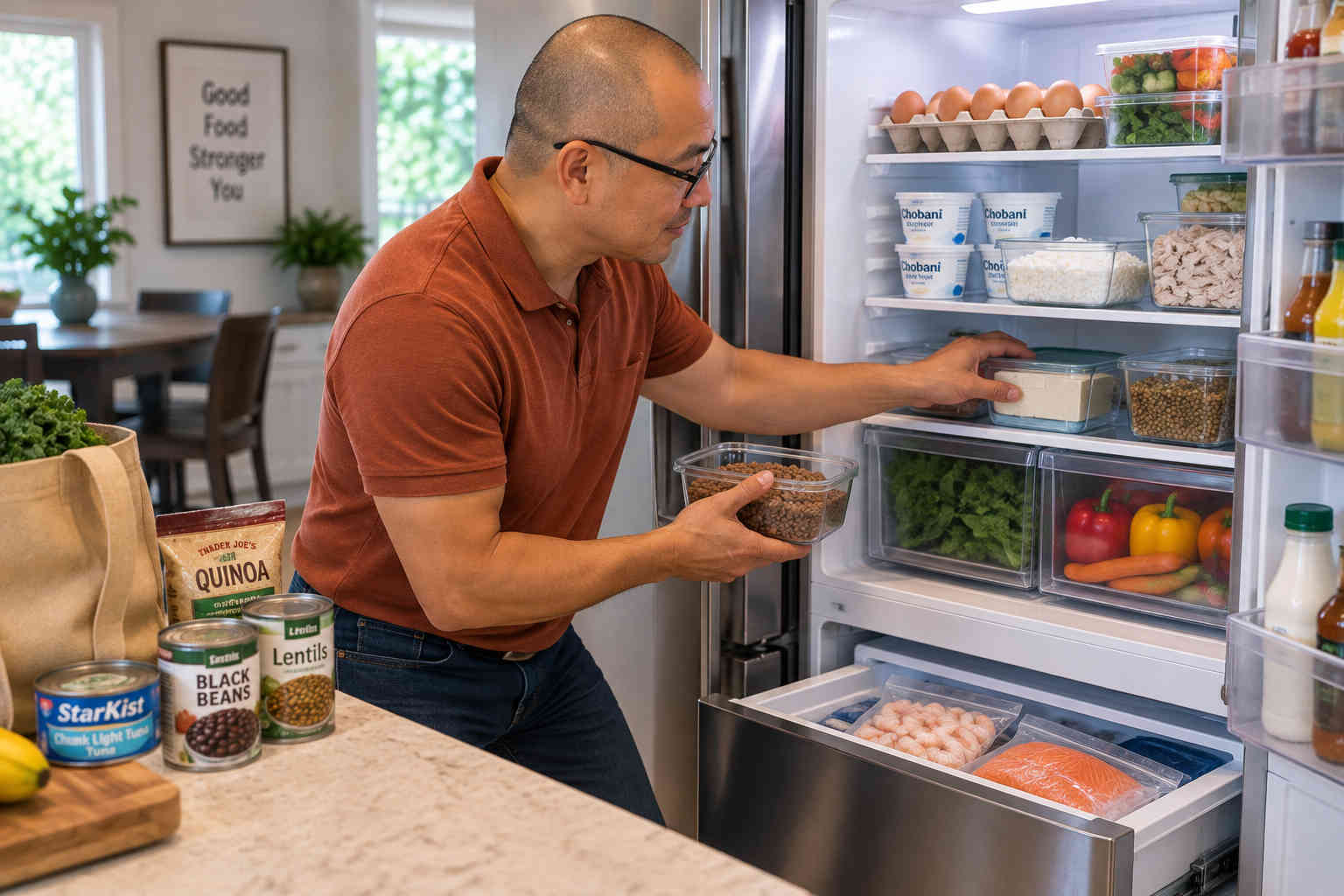
This is especially useful if you're cooking for one after divorce. Buying five different fresh meats every week can create waste. A better system is combining a few refrigerated proteins with several longer-lasting options.
You might keep eggs and Greek yogurt in the refrigerator, frozen shrimp and fish in the freezer, and tuna, beans and lentils in the pantry. Now you have options even when you haven't been grocery shopping for several days.
Make Eggs A Dinner Food
Eggs have somehow been sentenced to breakfast. Release them.
A couple of eggs can turn an otherwise ordinary meal into something far more satisfying.
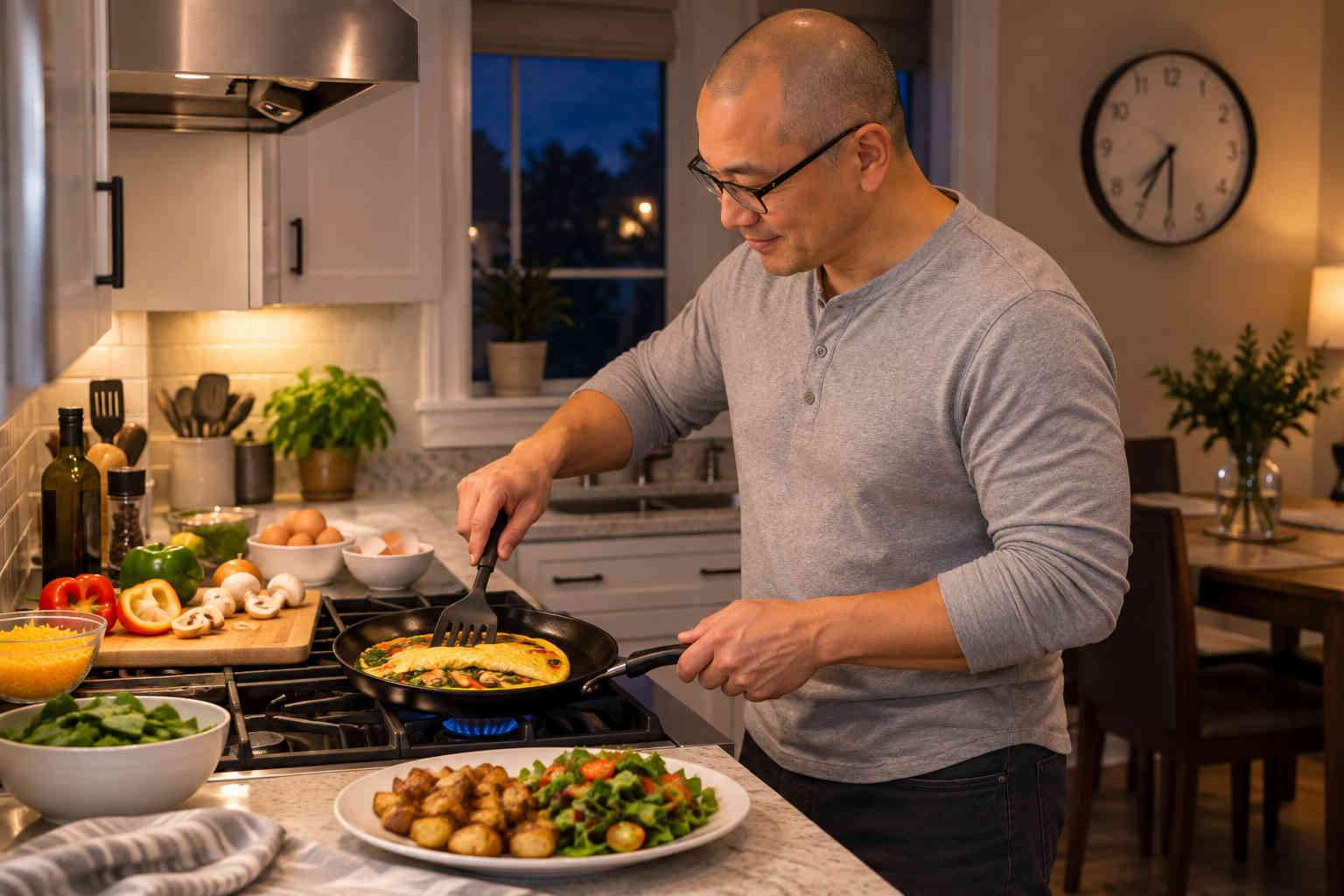
Put fried eggs over roasted potatoes and vegetables. Add scrambled eggs to rice with frozen vegetables. Slice hard-boiled eggs over a salad. Make an omelet for dinner with mushrooms, peppers, onions and a little cheese. Add an egg to a burger. Make breakfast tacos at 7 p.m.
There's no nutritional rule saying scrambled eggs become illegal after 10:30 in the morning.
For a divorced man cooking alone, eggs also solve another problem: portion control without leftovers. You can cook two or three eggs tonight without committing yourself to eating the same meal for the next four days.
Use Greek Yogurt Like An Ingredient, Not Just A Snack
Most guys think of yogurt as something you eat straight from the container. Greek yogurt is far more useful than that.
It can become part of the meal.
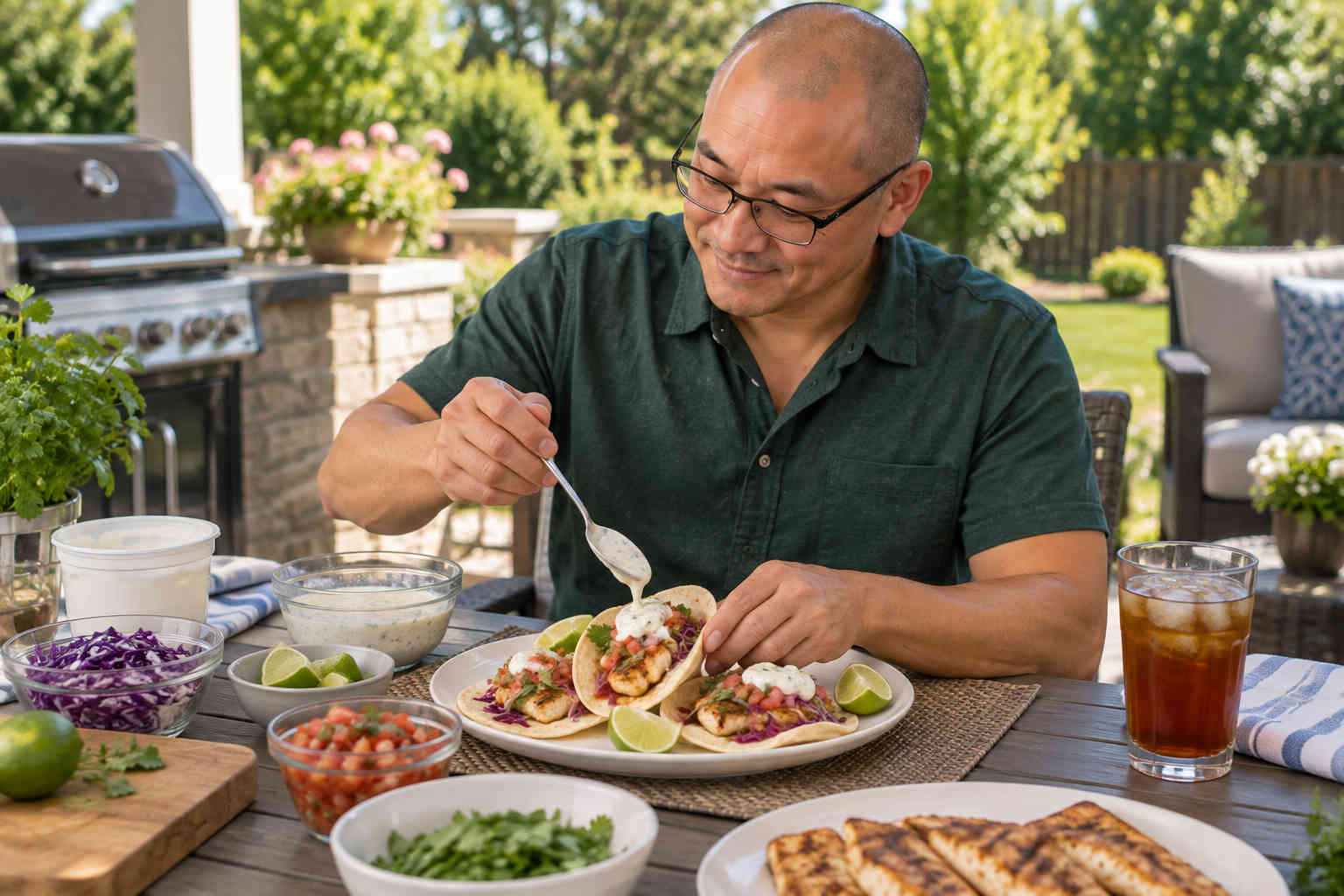
Use plain Greek yogurt in place of sour cream on tacos, chili or baked potatoes. Mix it with mustard, herbs and seasonings to make a creamy sandwich spread. Turn it into a dip for vegetables. Add it to oatmeal. Combine it with berries and nuts for breakfast. Use it as the base of a sauce for meat or fish.
You can even mix Greek yogurt with canned tuna instead of drowning the tuna in mayonnaise.
That last point illustrates an important high-protein principle: Don't just add protein. Replace low-protein ingredients with higher-protein ingredients when it makes sense.
Those small substitutions can raise your daily protein intake without making your meals noticeably larger.
Rediscover Cottage Cheese
Cottage cheese spent years trapped in the sad-diet-food category. It deserves another chance.
It requires no cooking, works with sweet or savory foods, and can quickly increase the protein content of a meal or snack.
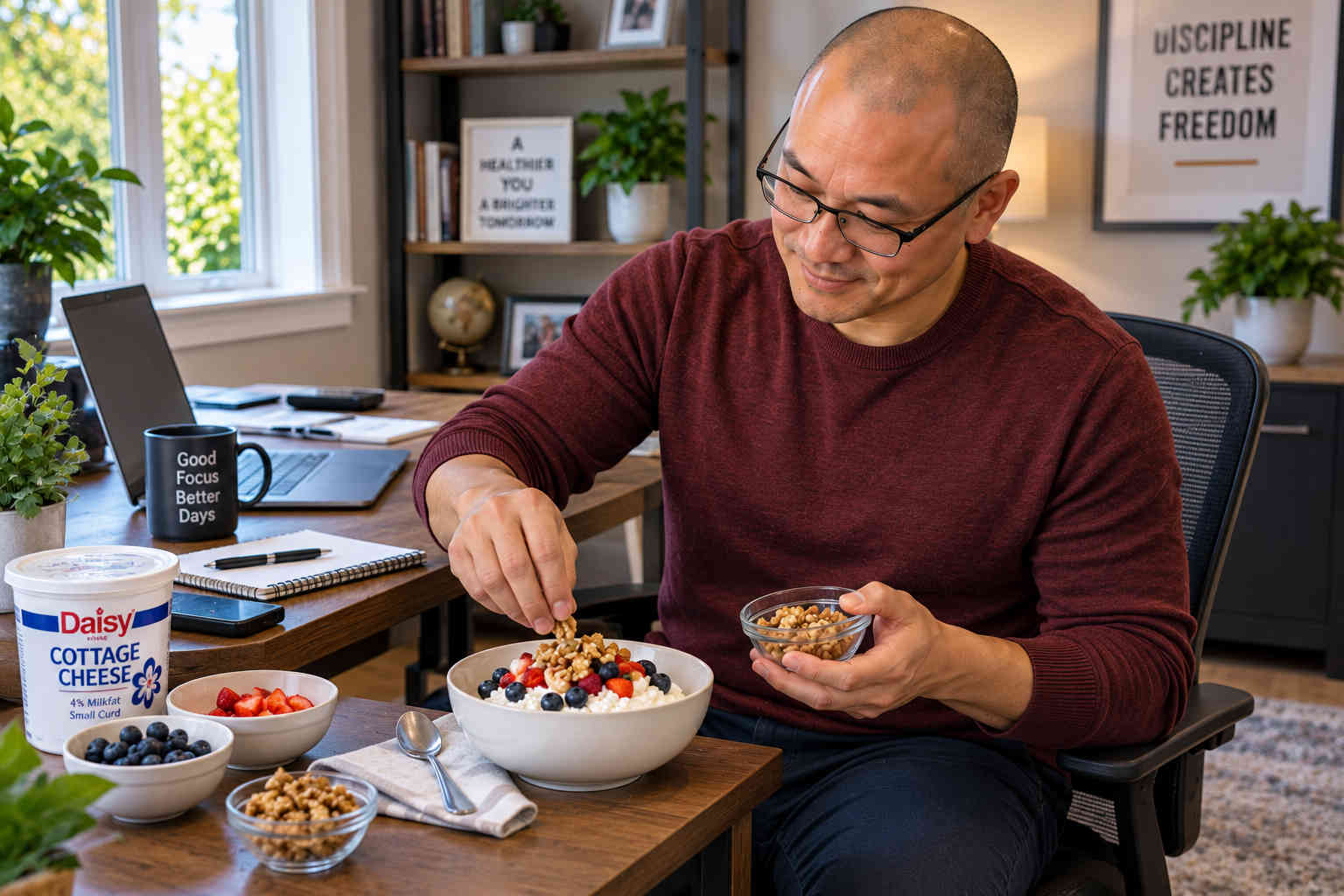
Try cottage cheese with pineapple, peaches or berries. Add black pepper and sliced tomatoes. Put it on toast. Add it alongside eggs. Blend it into scrambled eggs before cooking them. Use it in a baked potato. Mix it into pasta dishes where you might otherwise use a heavier creamy sauce.
If the texture bothers you, blending cottage cheese changes it completely. Blended cottage cheese can become the base for dips, sauces and spreads without feeling like you're eating a bowl of curds.
That's especially useful for someone who wants more protein but doesn't necessarily want another obvious “protein food” sitting in the middle of the plate.
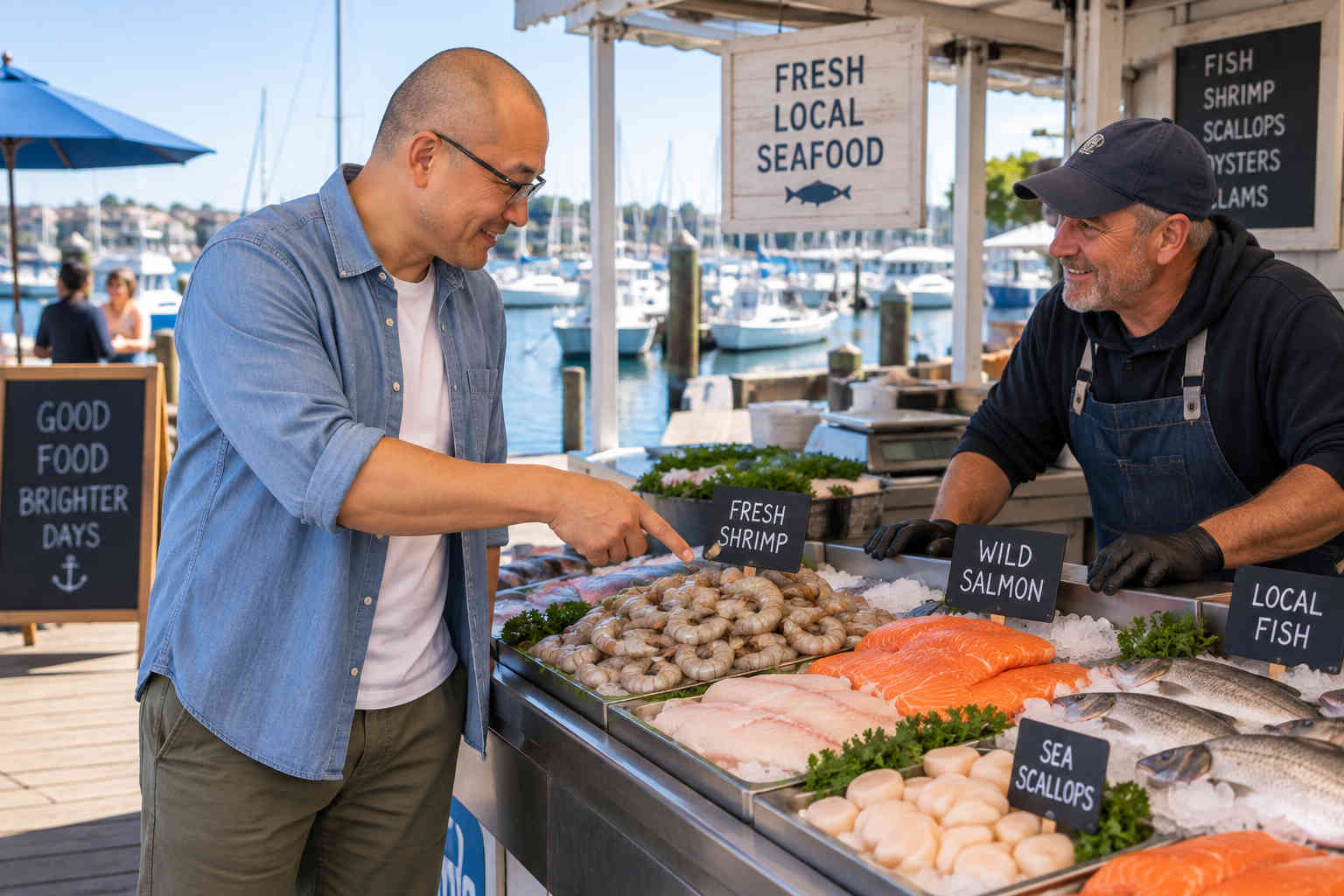
Let Seafood Rescue You From Chicken Fatigue
If you're tired of poultry, walk past the chicken section.
Fish and seafood provide one of the easiest ways to introduce completely different flavors and textures while keeping protein at the center of the meal.
Salmon can be baked with lemon and pepper. Shrimp can go into tacos, pasta, rice bowls or stir-fries. Canned tuna can become a sandwich, wrap, salad or quick lunch plate. Frozen white fish can go directly from the freezer into an easy weeknight dinner. Sardines can go on crackers or toast if you enjoy stronger flavors.
Seafood also breaks the psychological monotony of “diet food.” Blackened shrimp tacos don't feel like you're forcing yourself through a nutrition plan. Neither does salmon with roasted potatoes.
That's important. A diet you can tolerate for three weeks isn't nearly as useful as a way of eating you can maintain for years.
Don't Ignore Beans Because They Aren't “Gym Food”
Walk through a supplement store and you'll see enormous containers promising protein. Walk through the canned-food aisle and you'll see a can of beans that barely gets noticed.
Beans aren't glamorous, but they're extremely useful.
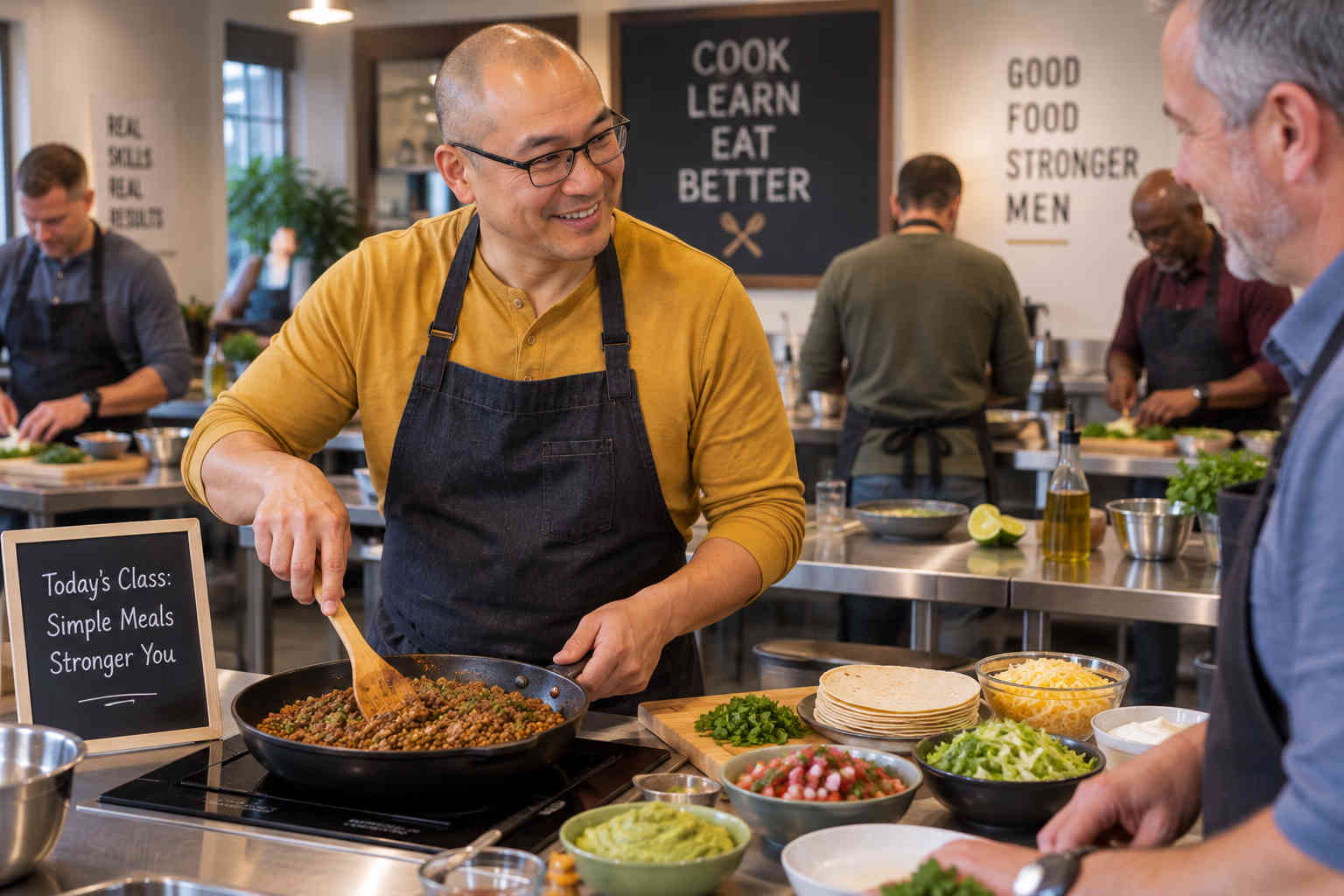
Black beans can go into burrito bowls. Kidney beans can bulk up chili. Chickpeas work in salads. White beans can be added to soups. Pinto beans work with eggs, rice or Mexican-style meals. Lentils can become soup, curry, taco filling or a side dish.
And unlike meat, legumes bring significant fiber along with their protein.
You don't have to become vegetarian to benefit from them. Try splitting the job between meat and beans.
Instead of making chili entirely from ground beef, use some beef and add beans. Instead of filling a burrito bowl entirely with meat, combine meat and black beans. You still get the flavor and texture of meat, but now another protein source is helping carry the meal.
Learn The Half-Meat Meal
This is one of the most useful tricks for a man who wants to improve his diet without feeling like he's eating “health food.”
Take a meal you already enjoy and reduce the amount of meat slightly — then replace the missing volume with another substantial ingredient.
For example: ground beef + lentils in tacos. Turkey + black beans in chili. Beef + mushrooms in pasta sauce. Eggs + beans in breakfast tacos. Tuna + chickpeas in salad.
The objective isn't necessarily to eliminate meat. It's to stop forcing meat to do all the work.
You'll create different textures, increase food variety and often stretch more expensive ingredients across additional meals.
Turn Snacks Into Protein Opportunities
A lot of daily protein gets lost between meals. Breakfast might be decent. Lunch might be decent. Dinner might be decent. Then the afternoon snack is chips.
That snack could have been helping you.
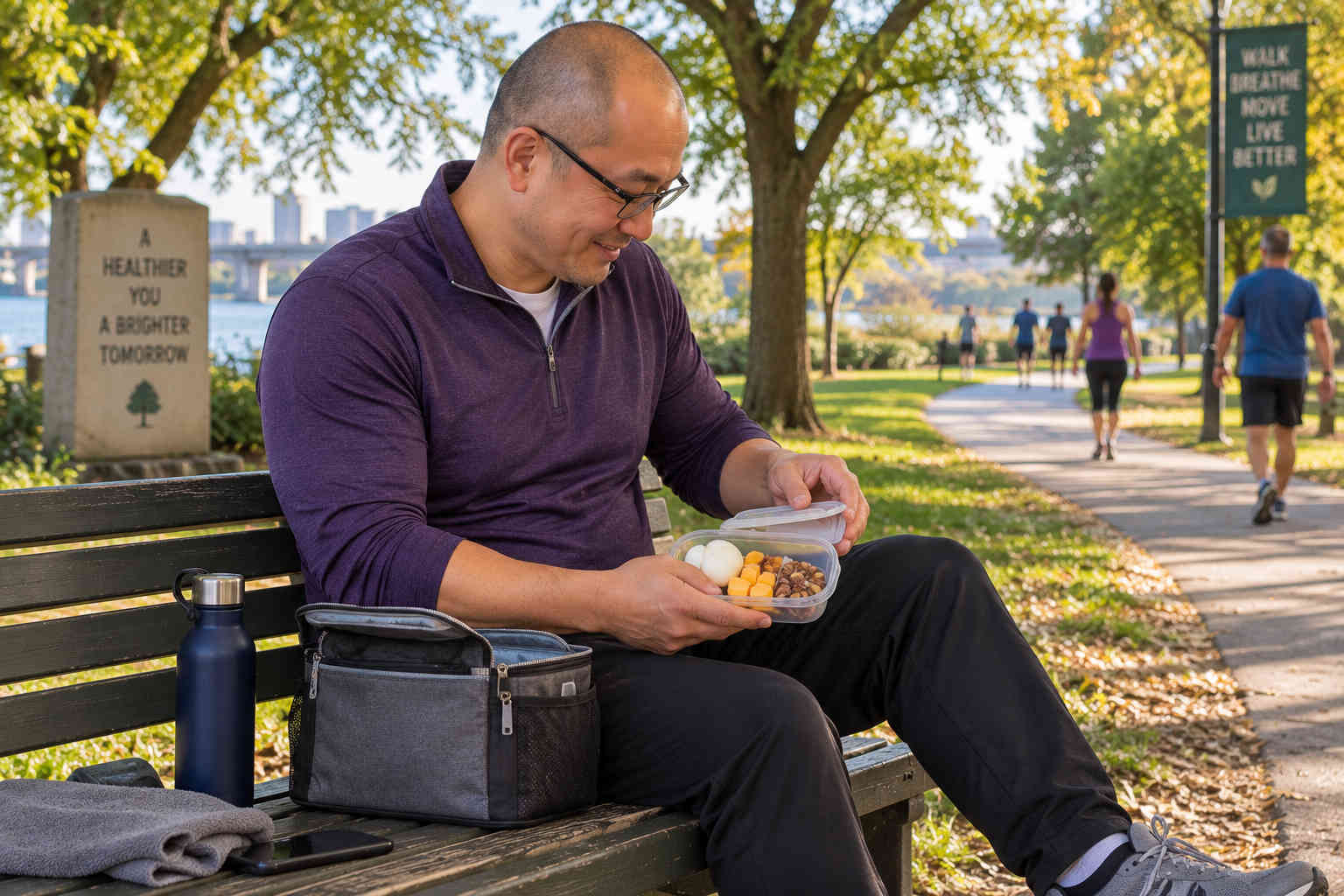
Try Greek yogurt and berries. Cottage cheese and fruit. Two hard-boiled eggs. Edamame. Tuna with whole-grain crackers. Apple slices with peanut butter. Cheese with fruit. Roasted chickpeas. A small handful of nuts alongside another protein-containing food.
The point isn't that every snack needs to become a miniature bodybuilding meal. It's that snacks are an easy place to accumulate additional protein without dramatically changing breakfast, lunch or dinner.
Ten grams here and fifteen grams there can add up surprisingly quickly.
Stop Drinking Breakfast
Protein shakes are popular partly because mornings are rushed. But a shake isn't your only fast option.
Keep hard-boiled eggs ready in the refrigerator. Buy individual containers of Greek yogurt. Make overnight oats with milk and yogurt. Put cottage cheese and fruit together the night before. Make egg-and-bean breakfast burritos and freeze them.
Even leftovers can become breakfast. There is nothing wrong with eating last night's salmon or turkey at 8 a.m.
One of the easiest ways to improve your nutrition is to stop categorizing foods so rigidly. Breakfast doesn't have to taste like breakfast.
Upgrade The Carbohydrates You Already Eat
You don't need to eliminate carbohydrates to eat more protein. Choose carbs that contribute something.
Instead of treating the starch portion of your meal as nutritional dead space, occasionally use foods that bring additional protein and fiber.
Try lentil or chickpea pasta. Use quinoa sometimes instead of rice. Add beans to rice. Put peanut butter on whole-grain toast. Add milk and Greek yogurt to oats. Mix edamame into a rice bowl.
These foods may not replace your primary protein source, but they can increase the total protein content of the meal.
That's protein stacking again. Five grams from one ingredient doesn't sound impressive. Five grams from three different ingredients does.
Keep Emergency Protein In The House
The most dangerous moment for a nutrition plan isn't Saturday when you have two hours to cook.
It's Wednesday at 7:15 p.m. when you're tired, hungry and don't feel like doing anything.
That's when convenience wins. So make protein convenient.
Keep several emergency foods available that require little or no preparation: canned tuna, canned salmon, canned beans, eggs, Greek yogurt, cottage cheese, frozen shrimp, frozen fish, frozen edamame, pre-cooked lentils, milk and natural peanut butter.
You should be able to walk into your kitchen with no dinner plan and assemble something containing protein within ten minutes.
That ability is more valuable than owning twenty complicated high-protein recipes you'll rarely cook.

Be Careful With The “Protein Halo”
Once you start looking for protein, you'll notice the word everywhere: protein cereal, protein cookies, protein chips, protein brownies, protein pancakes, protein ice cream and protein coffee.
Some products can be useful. But the word protein on the package doesn't automatically turn a highly processed snack into an ideal everyday food.
Compare labels. Ask how much protein you're actually getting for the calories, price and portion size.
Sometimes the boring food wins. A container of Greek yogurt may provide what you're looking for without requiring a product designed to taste like birthday cake.
Real food doesn't have to win every time. It should probably win most of the time.
Protein Powder Is A Tool, Not A Lifestyle
There is nothing inherently wrong with having a protein shake. The problem comes when supplements start replacing the ability to build satisfying meals.
Think of protein powder the way you think about a cordless drill. It's useful when you need it. You don't carry it everywhere because every problem requires drilling a hole.
Maybe you use a shake after a workout because you're busy. Maybe you blend protein powder into oatmeal occasionally. Maybe you keep some around for mornings when you're running late. Fine.
But if breakfast is a shake, your afternoon snack is a shake and you're drinking another after dinner because you didn't eat enough protein, the problem probably isn't your choice of protein powder.
The problem is your meals. Fix the meals first.
Create A Protein Floor For Each Meal
Instead of obsessing over one giant daily number, establish a simple personal rule: Every main meal needs a meaningful protein source.
That doesn't mean every meal needs the exact same number of grams. It means you stop allowing meals to happen accidentally.
Toast and coffee isn't much of a breakfast. A plain salad isn't much of a lunch. Pasta with tomato sauce alone isn't doing much protein-wise at dinner.
So give each meal an anchor. Eggs with breakfast. Tuna and beans with lunch. Salmon at dinner. Tomorrow might be Greek yogurt, lentils and pork. The next day might be cottage cheese, turkey and shrimp.
Now protein intake becomes part of the architecture of your diet instead of something you desperately try to correct at 9 p.m.
A Simple Protein Variety Rule
Choose one clear protein anchor for each meal, then let smaller foods contribute around it. The goal is not perfection. The goal is to stop relying on one food — especially chicken — to do the entire job.
What A Normal High-Protein Day Can Actually Look Like
A higher-protein diet doesn't have to look like a social-media fitness influencer's meal-prep refrigerator.
Consider a normal day.
Breakfast could be eggs, whole-grain toast and Greek yogurt with berries. Lunch could be chili containing lean ground beef and kidney beans. Your afternoon snack could be cottage cheese with fruit. Dinner could be shrimp tacos with black beans, vegetables and Greek yogurt in place of sour cream.
That's a protein-focused day without a single chicken breast or protein shake.
The next day could look completely different: oatmeal made with milk and topped with nuts for breakfast, tuna and chickpea salad for lunch, Greek yogurt in the afternoon, and salmon, quinoa and vegetables for dinner.
Again, no chicken required.
The objective isn't to construct the mathematically perfect menu. It's to create enough variety that eating well stops feeling repetitive.
The Best Protein Plan Is The One You Don't Get Tired Of
Men often approach nutrition as a test of discipline. Find the perfect food. Eat it repeatedly. Ignore boredom. Eventually crack. Then assume the problem was willpower.
Sometimes the problem was simply a terrible system.
If your entire high-protein strategy depends on eating grilled chicken seven times a week, boredom isn't a character flaw. It's a predictable outcome.
Build variety into the plan from the beginning. Have eggs today and yogurt tomorrow. Make salmon one night and chili the next. Use lentils. Try shrimp. Rediscover cottage cheese. Put beans into meals where you wouldn't normally use them. Keep tuna in the pantry for emergencies. Use protein powder when it's genuinely convenient rather than because you think you're supposed to drink it.
Most importantly, stop looking for one perfect protein source. There isn't one.
A sustainable diet is built from a collection of foods that fit your budget, appetite, schedule and health goals.
After divorce, that can be especially important. You're already rebuilding routines. Food shouldn't become another rigid system you have to endure.
Learn five breakfasts you like. Five lunches. Five dinners. Five easy protein snacks.
That's enough variety to create dozens of combinations without becoming a chef or spending Sunday afternoon filling identical plastic containers.
Getting more protein isn't about eating like a bodybuilder. It's about making smarter choices often enough that the numbers begin taking care of themselves.
And if you never want to look at another container of plain grilled chicken again? That's perfectly fine. You've got a much deeper bench now.

Your Protein Variety Rule
Build A Deeper Bench, Not A More Restrictive Diet
Keep several protein foods you enjoy in rotation, anchor each meal with one of them, and let smaller ingredients add to the total. Variety makes consistency much easier.